Venture deep into Colombia’s pristine wilderness for an unrivaled fishing experience at Akuani River Lodge.
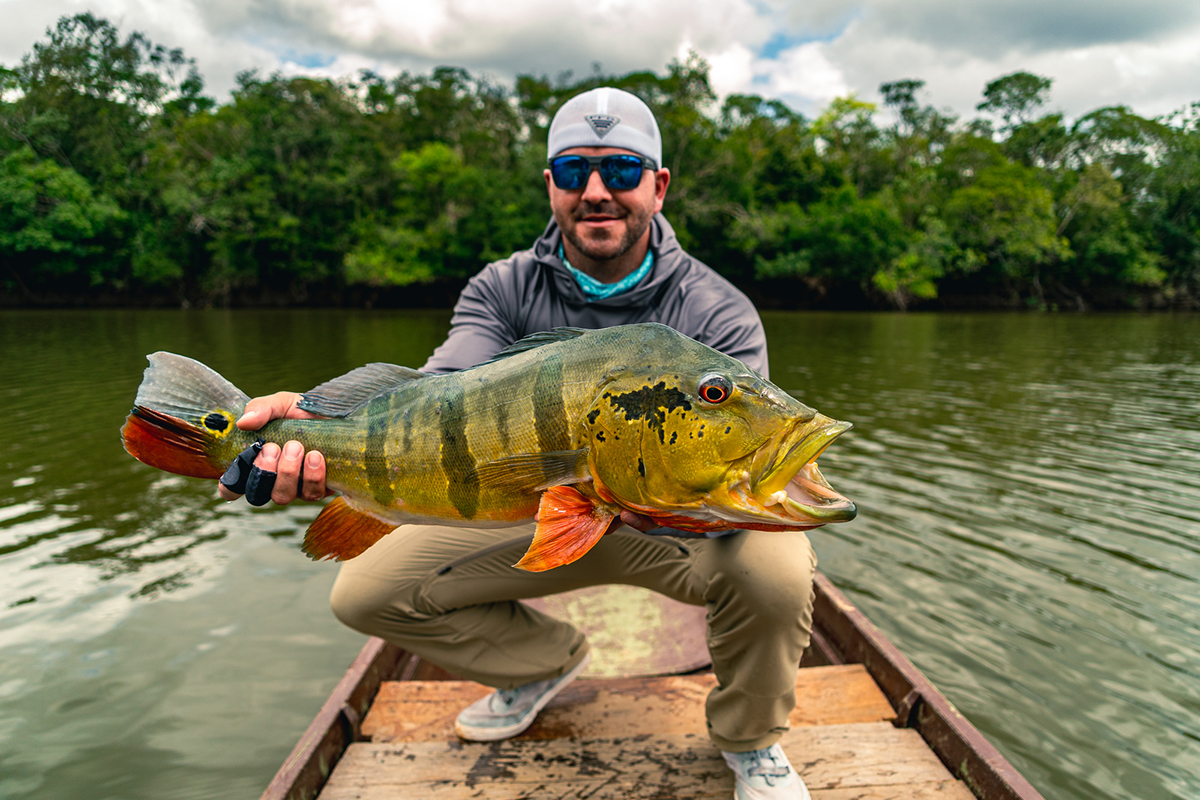
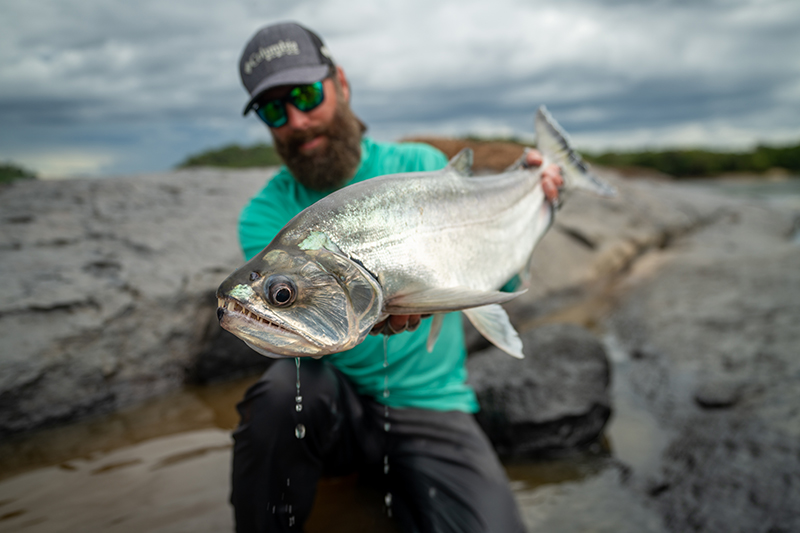
Nestled in the heart of the untamed jungle, this exclusive destination offers the thrill of battling trophy Peacock Bass and the fierce Vampire Fish.
With access to two distinct ecosystems, every cast promises an unforgettable encounter in some of South America’s most biodiverse and unspoiled waters.
Season
November to March
10
Guests per week
Trip Information
Discover the Diverse Ecosystems of Colombia’s Jungle
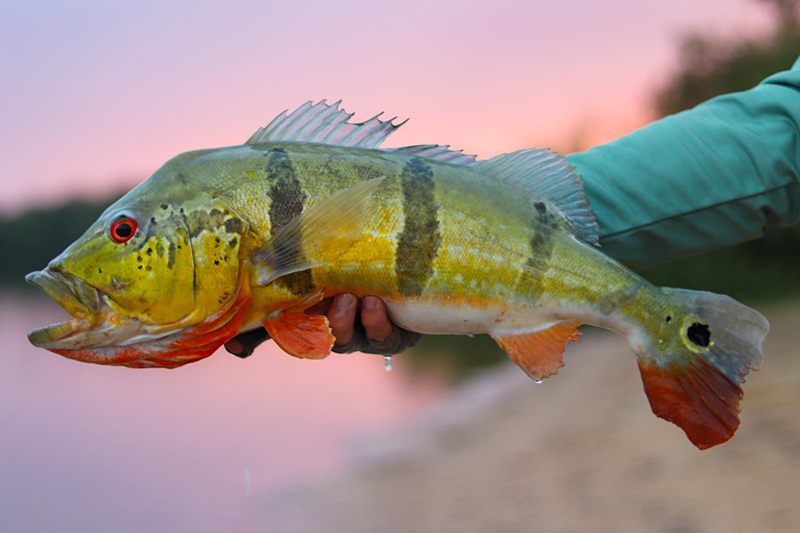
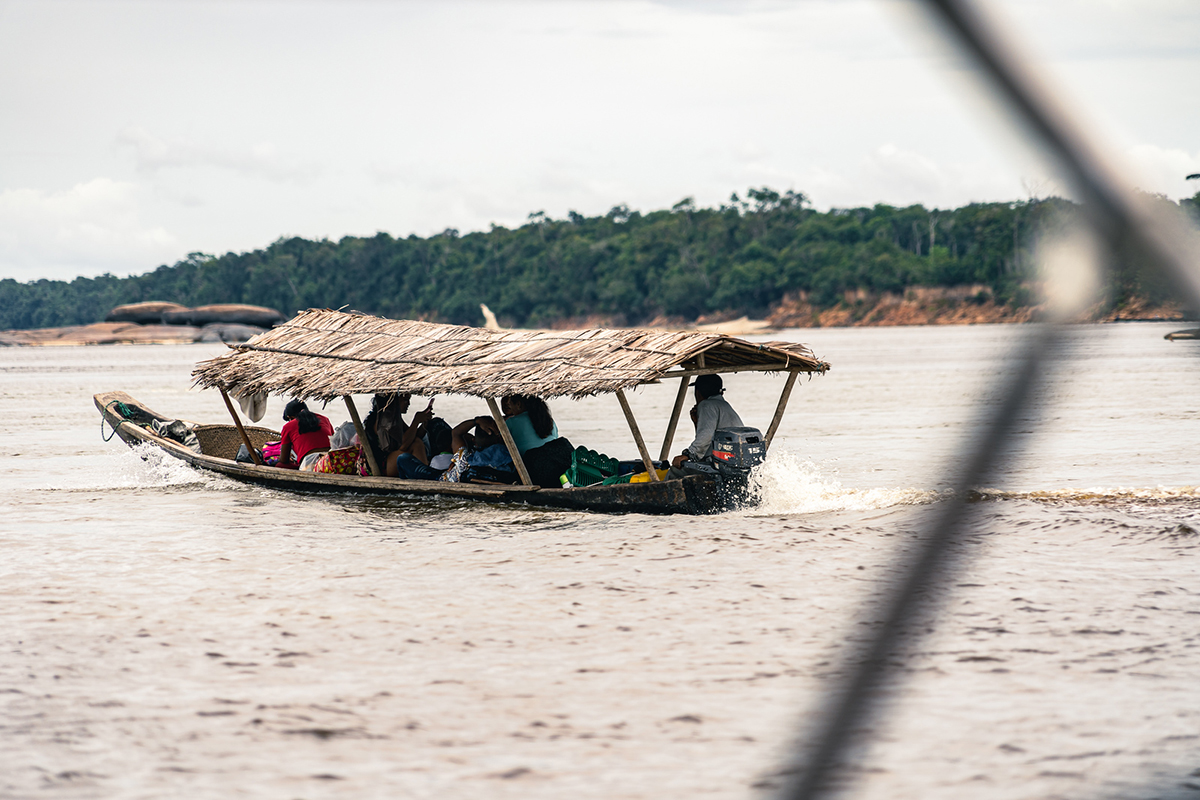
Immerse yourself in a distinctive fishing adventure at Akuani River Lodge. During your trip, you’ll have the opportunity to fish in two diverse environments. For Peacock Bass enthusiasts, our expeditions take place along the Vichada River and its serene lagoons. Utilizing specialized bongos (boats) designed for fly and spinning techniques, each day brings new fishing spots and thrilling opportunities.
Experience the Power of the Orinoco River
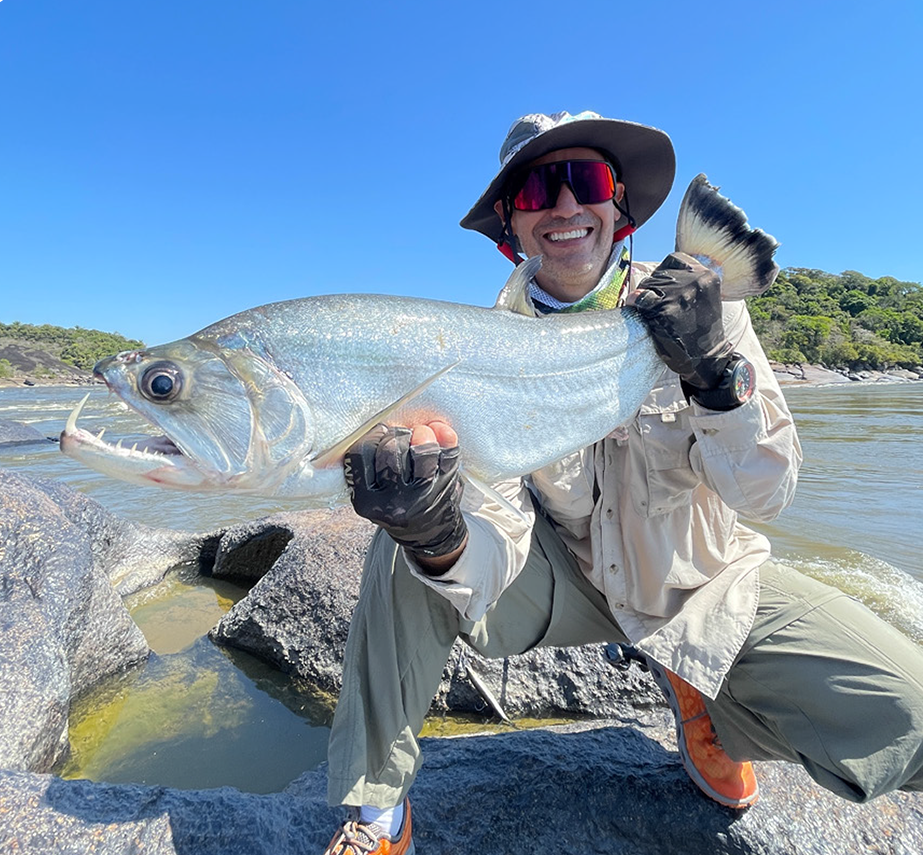
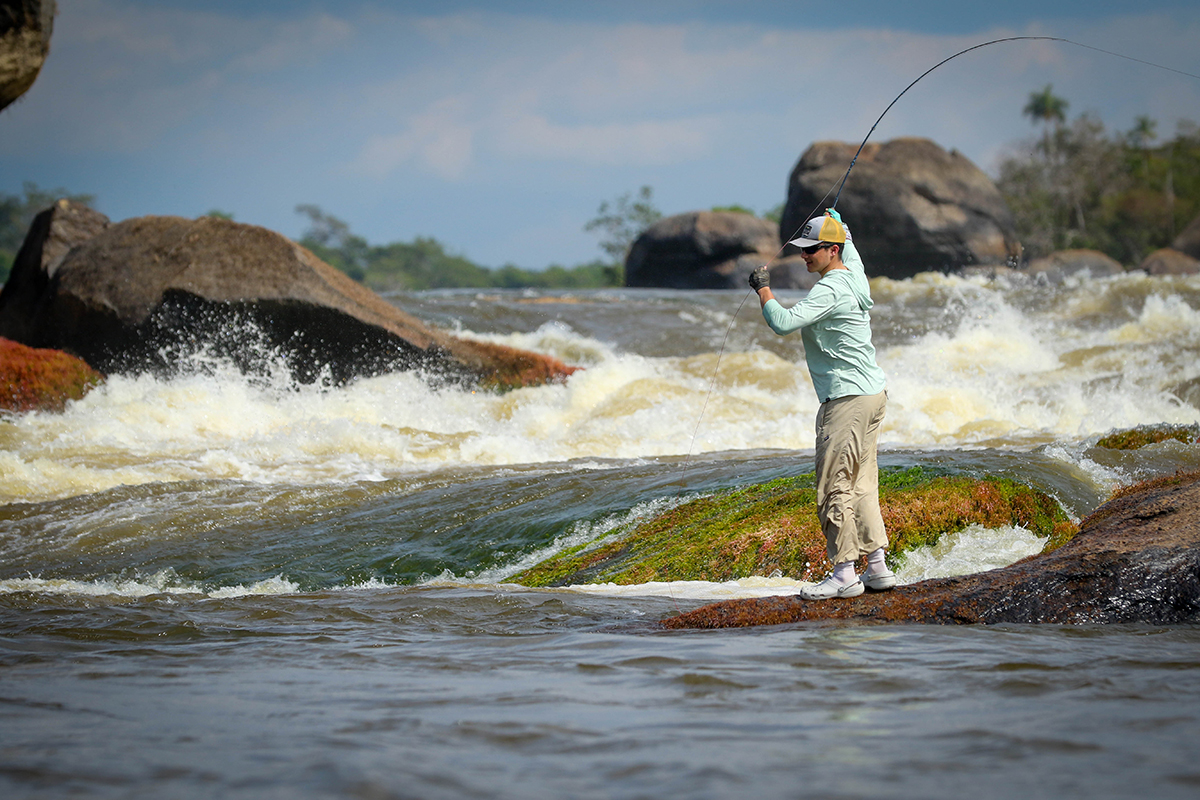
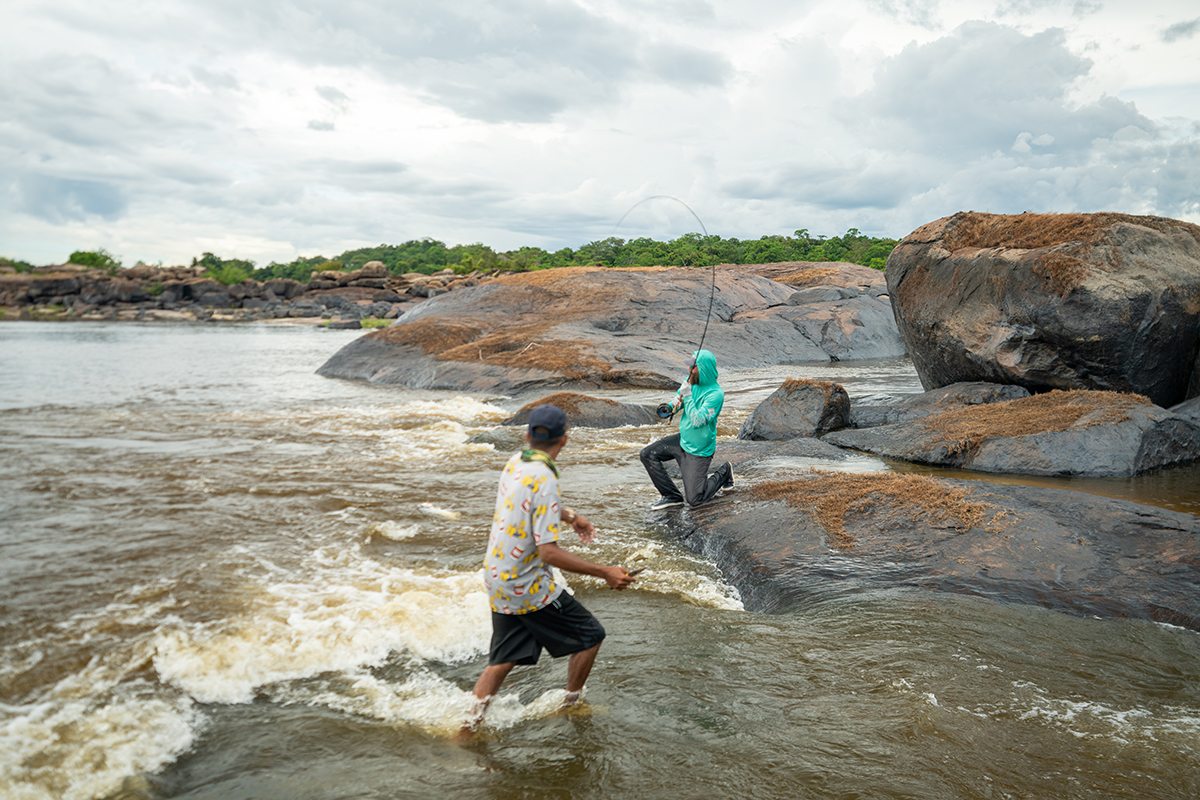
Venture into the heart of the Orinoco River for an adrenaline-pumping encounter with Payara at the Maipures rapids. Amidst imposing rocks and powerful rapids, our excursions start with an exhilarating speedboat ride, followed by intense fishing sessions targeting Vampire Fish, Sardinata, and Pacu from rocky outcrops. As night falls, unwind in comfortable tents beneath the jungle canopy, concluding your adventure with a full day of fishing before returning to the lodge.
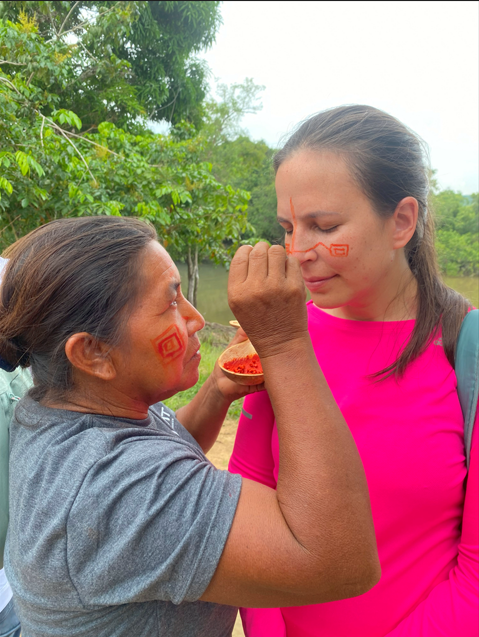
Immerse Yourself in Sikuani Culture
At Akuani River Lodge, nestled in the Mataven jungle, you’ll immerse yourself in the Sikuani culture. Handmade items like bows and arrows are available for purchase.
Spectacular Views and Comfortable Accommodations
The payara camp provides a more rustic experience with double-occupancy tents and cots. This camp serves as the starting point for an exciting expedition to the Maipures Rapids, set in an otherworldly landscape.
Rustic Charm at the Payara Camp
The payara camp provides a more rustic experience with double-occupancy tents and cots. This camp serves as the starting point for an exciting expedition to the Maipures Rapids, set in an otherworldly landscape.
Trip Itinerary
Includes:
• Airport transfers • 2 nights in a hotel in Bogotá (double room) • Domestic flight to Puerto Inírida • Transfers to the accommodation and by river • 3 meals per day • Unlimited soft drinks and beer • Snacks • Travel insurance
Excludes:
• Flight to Bogotá, Colombia • Excess baggage charges at El Dorado International Airport • Meals in Bogotá or outside the camp • Additional activities in Bogotá • Fishing equipment • Alcoholic beverages (please inform us in advance if you wish to have them provided at the camp, with the corresponding invoice) • Tips (we suggest a gratuity of 10% to 15% of the total package price) • Global rescue service (highly recommended)
Equipment and Services
Equipment and Services:
Boats: For peacock bass and payara fishing, you will use bongos and large, comfortable canoes equipped with seats, casting platforms, and portable coolers stocked with beer, soft drinks, and water. Each boat accommodates two anglers and one guide.
Guides: For peacock bass fishing, you will have the same two guides for four days. For payara fishing on the Orinoco River, different guides will accompany you. While the guides do not speak English fluently, they can communicate essential information. An English-speaking host will also be available to assist you with anything you need.
Electricity: The cabins and dining area at Akuani River Lodge operate on 110V electricity, the same standard as in the United States.
Fishing equipment: Fishing gear is not provided. Single hooks are required for all lures and flies when fishing for peacock bass and payara. Lures and flies are available for purchase at the lodge. A complete tackle and equipment list is included in your confirmation package.
Communications: There is no cellular service at the lodge, but internet access is available via Starlink.
*In Bogota, you can use Uber for transportation, and credit cards are widely accepted at restaurants in the city. However, we recommend exchanging some Colombian pesos for your expenses in the remote locations we will visit.
Wildlife in the Vichada and Orinoco rivers, Vichada, Colombia
Explore the rich biodiversity of the Vichada and Orinoco Rivers. Some of the species you might encounter include:
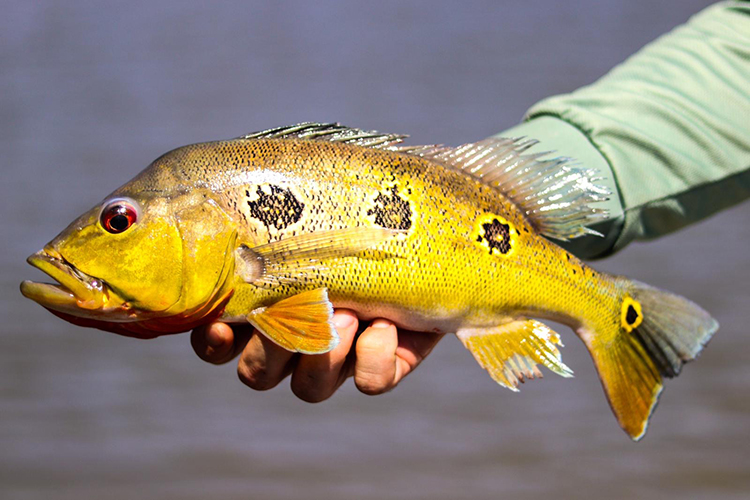
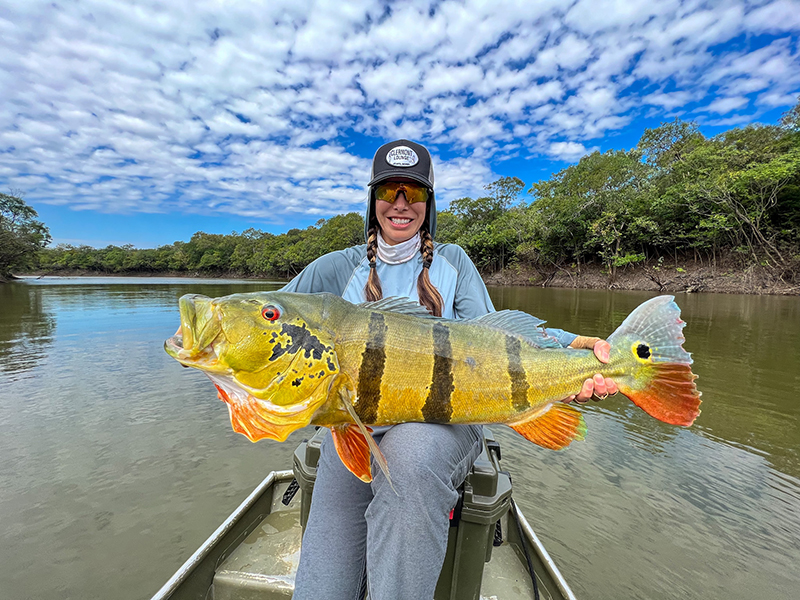
SPECKLED PEACOCK BASS Cichla temensis
The largest cichlid in the world, native to the Amazon and Orinoco basins. Known for its aggressive nature and striking looks, it can grow up to 100 cm and 30 pounds. Anglers prize this fish for its impressive size and challenging fight.
ORINOCO PEACOCK BASS Cichla orinocensis
Commonly known as the Orinoco Peacock Bass, is a carnivorous cichlid found in the Orinoco River basin of South America. It reaches sizes of 30-60 cm and is prized by anglers for its aggressive nature, vibrant coloration, and strong fighting ability. This species inhabits slow-moving waters with vegetation and is a sought-after game fish for sport fishing enthusiasts.
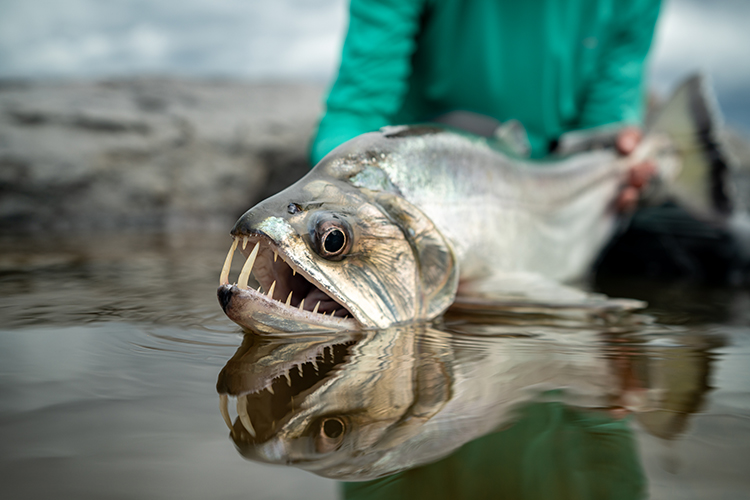
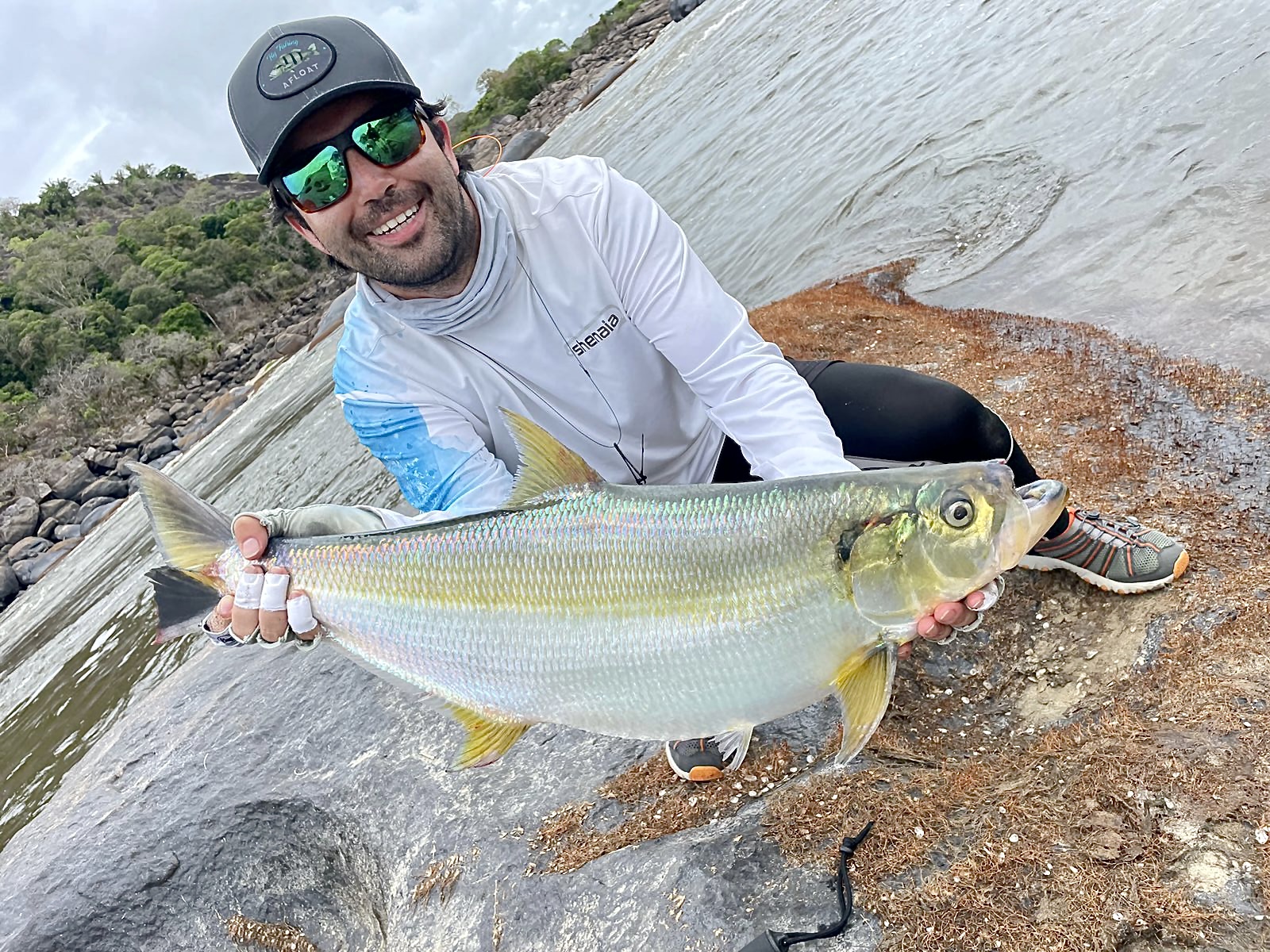
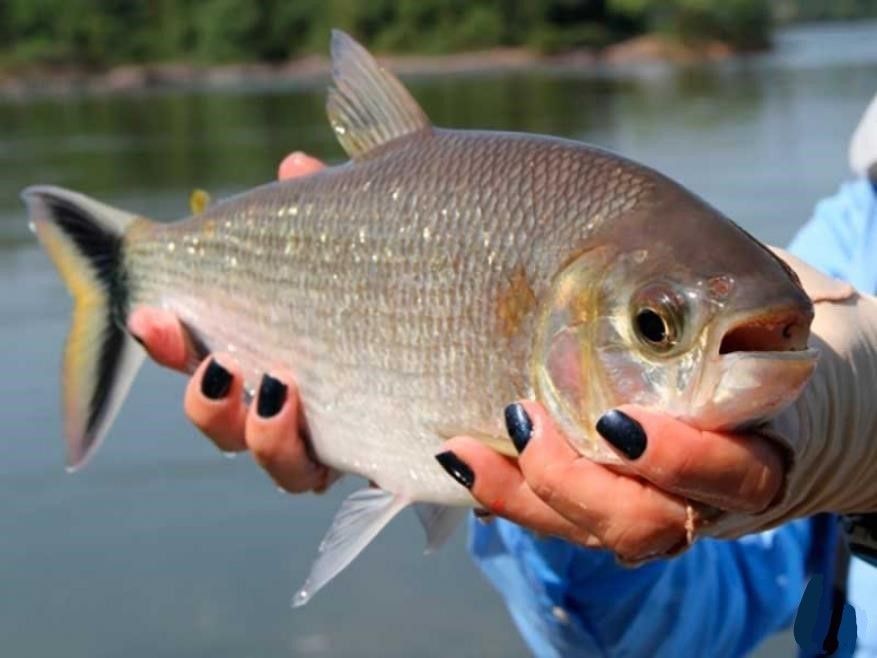
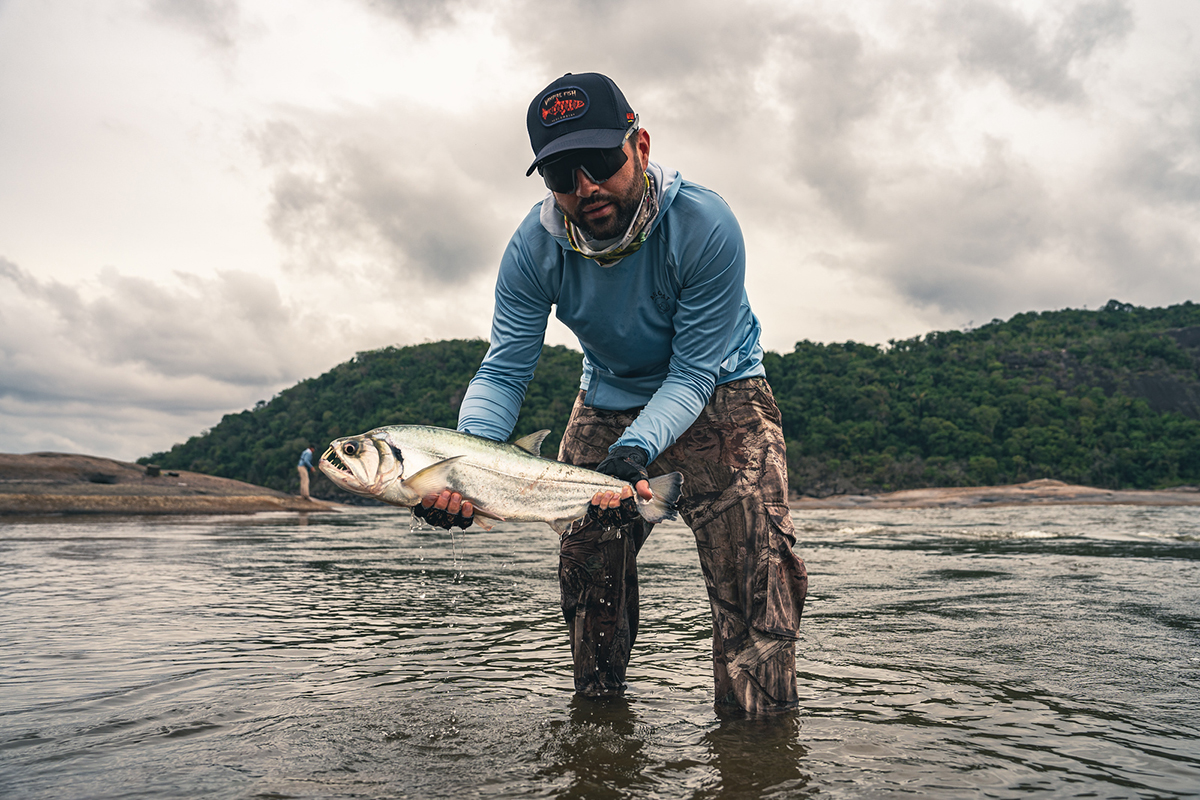
PAYARA (VAMPIRE FISH) Hydrolycus armatus
Payara, also known as the Vampire Fish, is a predatory freshwater species native to South American rivers like the Amazon and Orinoco basins. It is characterized by its elongated body, silver coloration, and large, prominent fangs used for catching prey. Payara are apex predators, reaching lengths over 1 meter and weights exceeding 30 pounds. They inhabit fast-flowing waters near rocky areas, where they hunt smaller fish with aggressive and precise strikes.
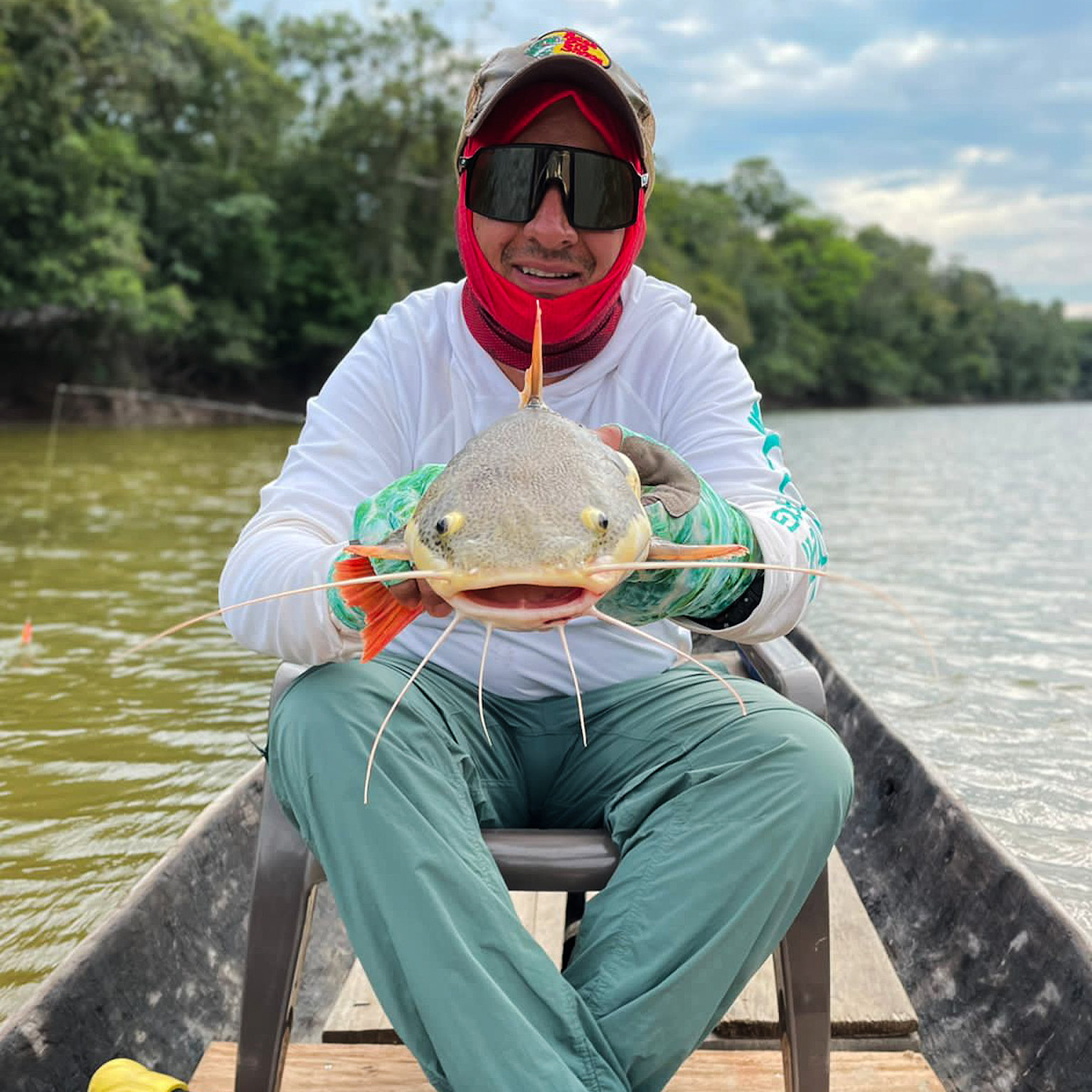
RED TAIL CATFISH Phractocephalus hemioliopterus
Large freshwater species native to South American rivers like the Amazon and Orinoco basins. It is known for its impressive size, reaching over 1.5 meters in length and weights exceeding 170 pounds. Recognizable by its broad head and distinctive red-orange tail fin, this catfish inhabits slow-moving waters with muddy or sandy bottoms. Red Tail Catfish are omnivorous, consuming fish, crustaceans, and plant matter.
Fish Species:
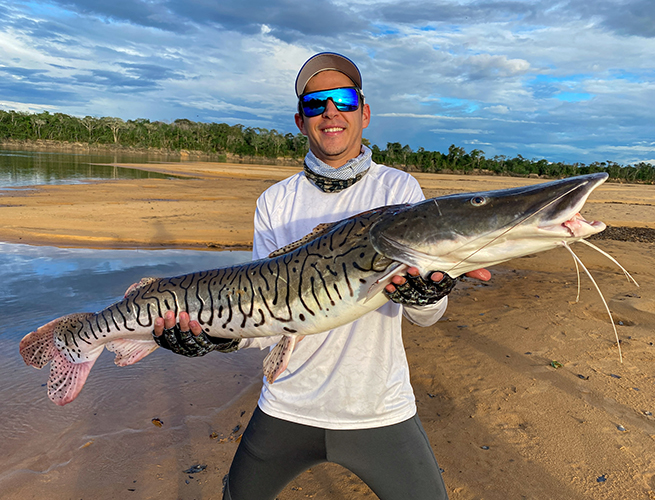
SHOVEL NOSE CATFISH Pseudoplatystoma fasciatum
Large freshwater species native to South American rivers like the Amazon and Orinoco basins. Known for its distinctive shovel-shaped snout, it can reach lengths of 1-1.5 meters and weigh up to 65 pounds. These catfish prefer habitats with fast-flowing currents and rocky bottoms, where they hunt fish, crustaceans, and other prey. Highly prized by sport fishermen for their size and powerful fights.
AMAZON PELLONA Pellona castelnaeana
Is a slender freshwater fish native to South American river systems, especially in the Amazon Basin. It grows up to 45 cm in length and is known for its silvery coloration and schooling behavior. Amazon Pellona primarily feeds on small fish and aquatic insects, making it a popular target for sport fishermen due to its spirited fights and acrobatic leaps.
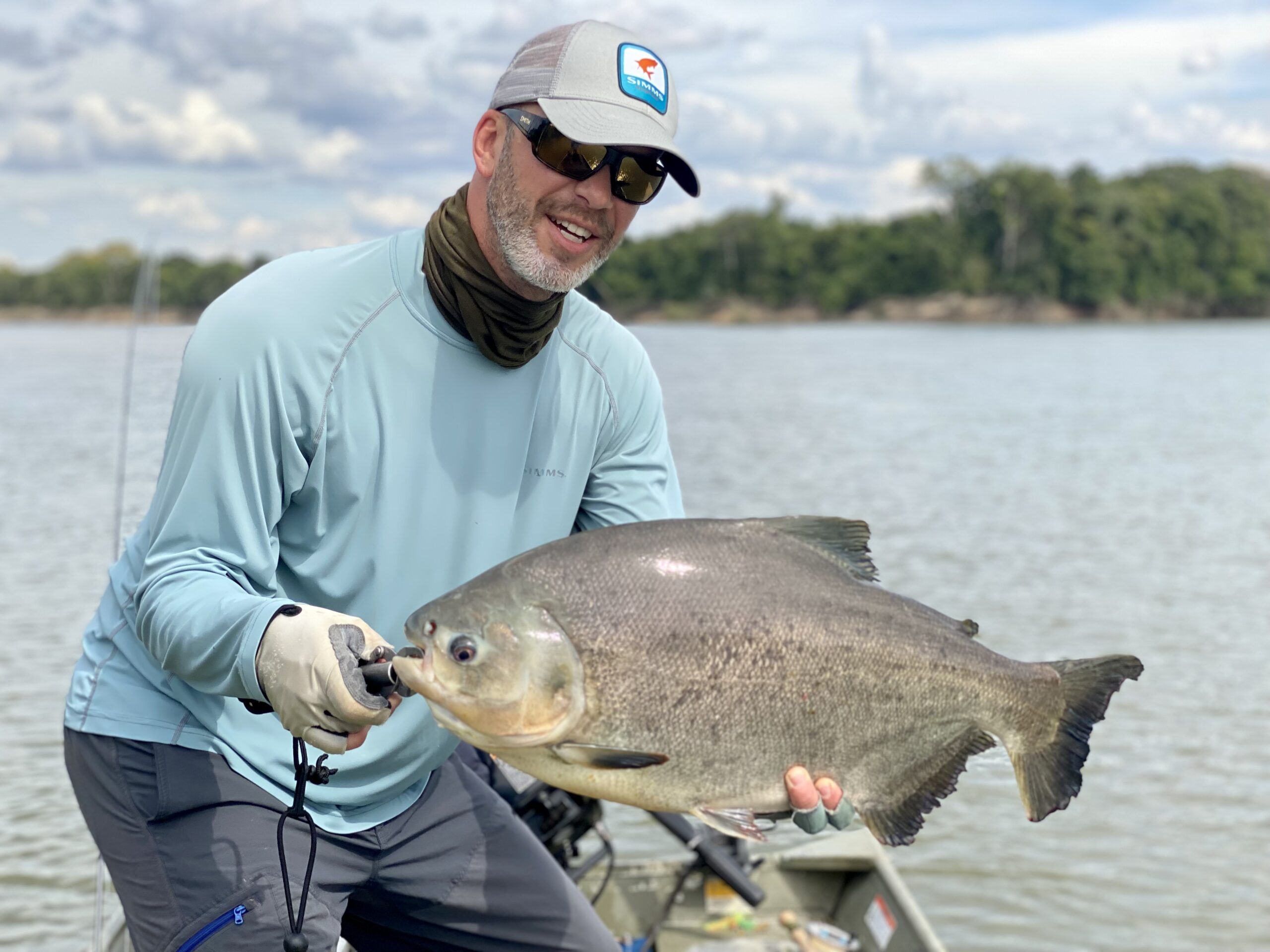
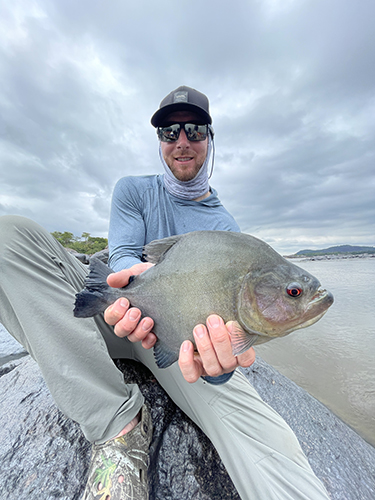
BLACK PACU Colossoma macropomum
This large freshwater fish is recognized for its robust build, black coloration, and preference for habitats with abundant vegetation and submerged structures. Black Pacu are prized by sport fishermen for their size and strength, feeding primarily on fruits, seeds, nuts, and aquatic plants. Conservation efforts are crucial to sustain their populations due to their ecological importance and vulnerability to habitat degradation.
MATRINXA Brycon amazonicus
Medium-sized freshwater fish native to South American rivers, particularly in the Amazon Basin. It has a streamlined body with silvery scales and grows up to 60 cm (24 inches) in length. Matrinxa prefers clear, moderately flowing waters with sandy or rocky bottoms and feeds on small fish, insects, and plant matter. It is prized by sport fishermen for its acrobatic leaps and spirited fights.
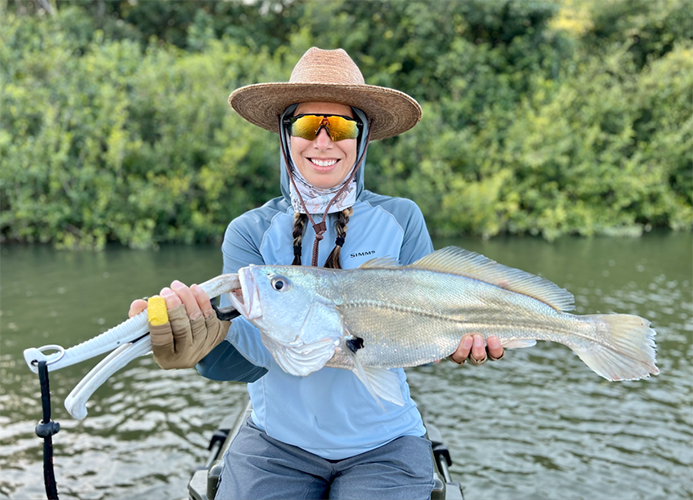
SILVER CROAKER Plagioscion squamosissimus
Freshwater fish found in South American river systems, including the Amazon and Orinoco basins. It has a slender, silver-scaled body that can grow up to 60 cm (24 inches) in length. Silver Croaker inhabits rivers, floodplain lakes, and reservoirs with muddy or sandy bottoms. It is omnivorous, feeding on small fish, crustaceans, insects, and plants. Valued for its taste, it is targeted by both commercial and sport fishermen.
PIRANHA Pygocentrus cariba
Is a carnivorous freshwater fish native to South American rivers, particularly in the Amazon Basin and Orinoco River systems. Known for their robust bodies, silvery coloration, and sharp, triangular teeth, Piranhas grow up to 30 cm (12 inches) in length. They inhabit slow-moving rivers and lakes with dense vegetation, where they feed on fish, crustaceans, and occasionally small mammals or birds.
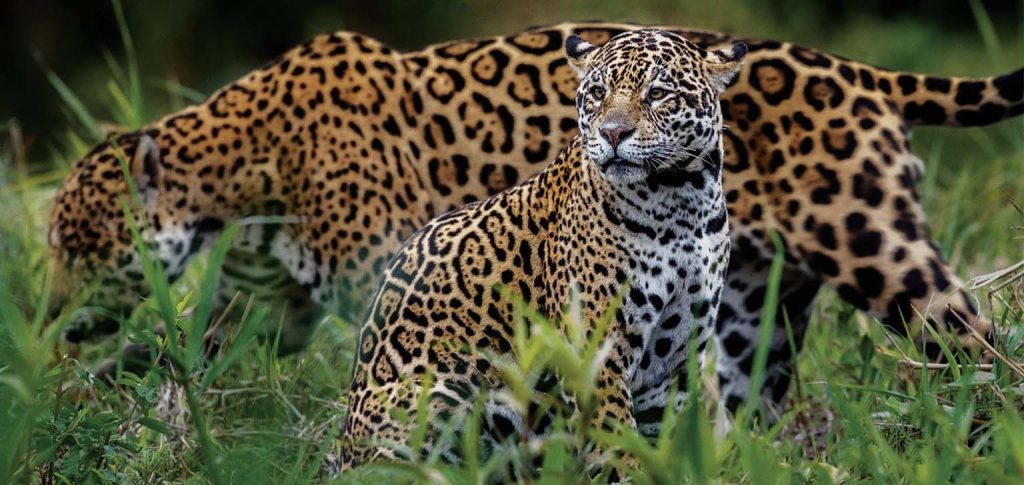
JAGUAR Panthera onca
The jaguar is the largest cat in the Americas and a powerful apex predator. It has a robust build with a yellowish-brown coat marked by black rosettes and spots. Jaguars primarily inhabit tropical rainforests, including the Orinoquia region, where they hunt a variety of prey, such as deer, capybaras, and tapirs. They are solitary animals, known for their stealth and strength.
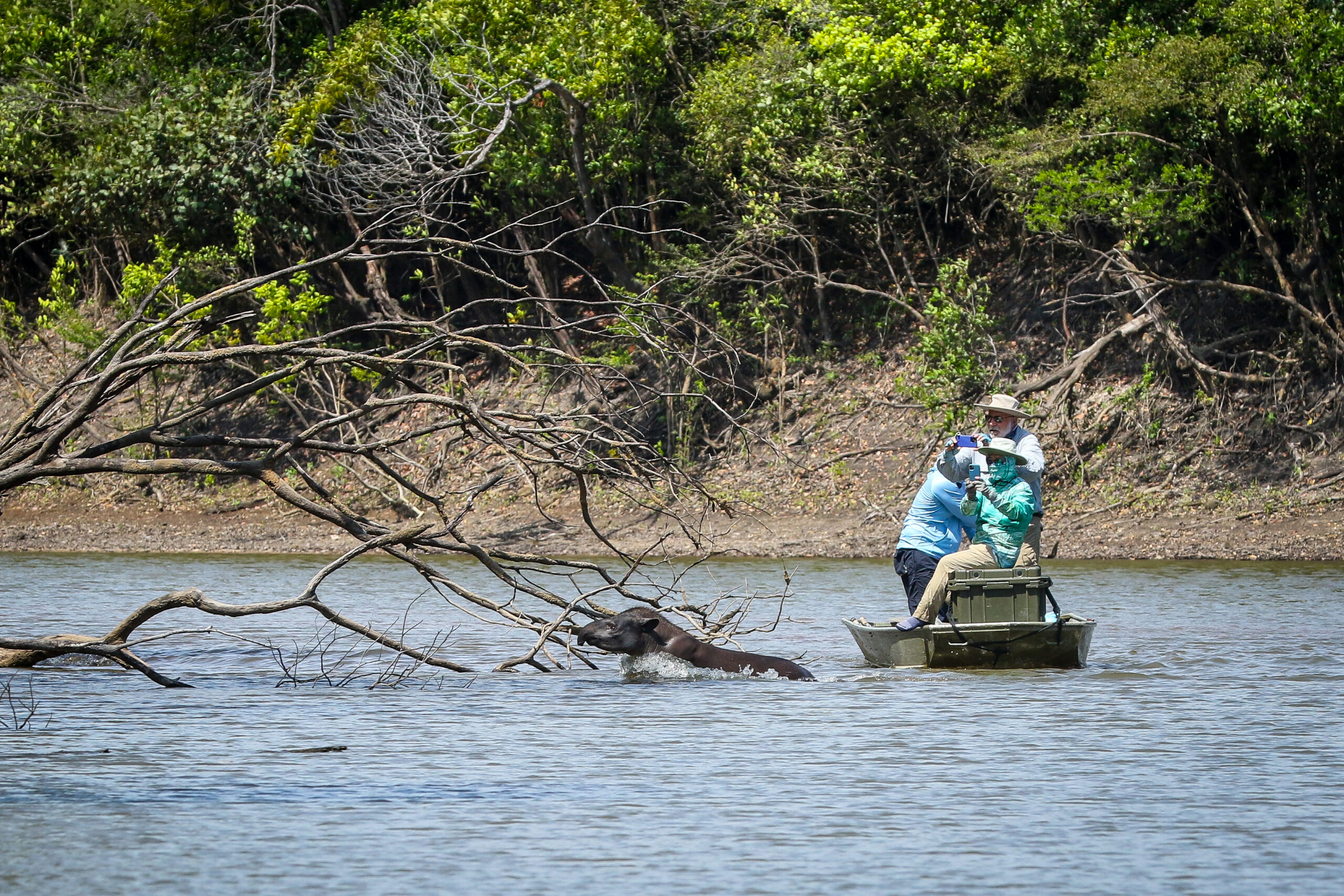
TAPIR Tapirus terrestris
The South American tapir, also known as the Brazilian tapir, is a large, herbivorous mammal with a prehensile snout. It has a dark brown coat and can weigh up to 250 kg. Tapirs inhabit the forests and grasslands of the Orinoquia region. They are primarily nocturnal and feed on leaves, fruits, and aquatic plants. Tapirs play a crucial role in seed dispersal, aiding forest regeneration.
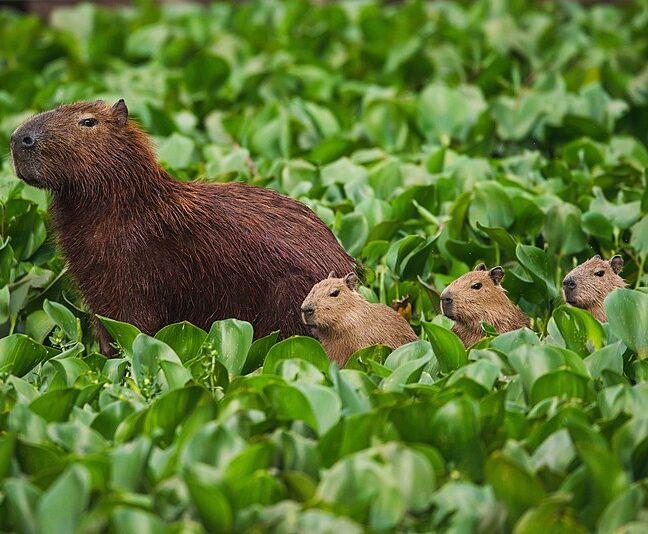
CAPYBARA Hydrochoerus hydrochaeris
Capybaras are the largest rodents in the world, easily recognizable by their large, barrel-shaped bodies and webbed feet. They are social animals, often found in groups near water sources. Capybaras are herbivores, feeding on grasses and aquatic plants. They inhabit various wetland environments, including those in the Orinoquia region, and are an essential part of the ecosystem.
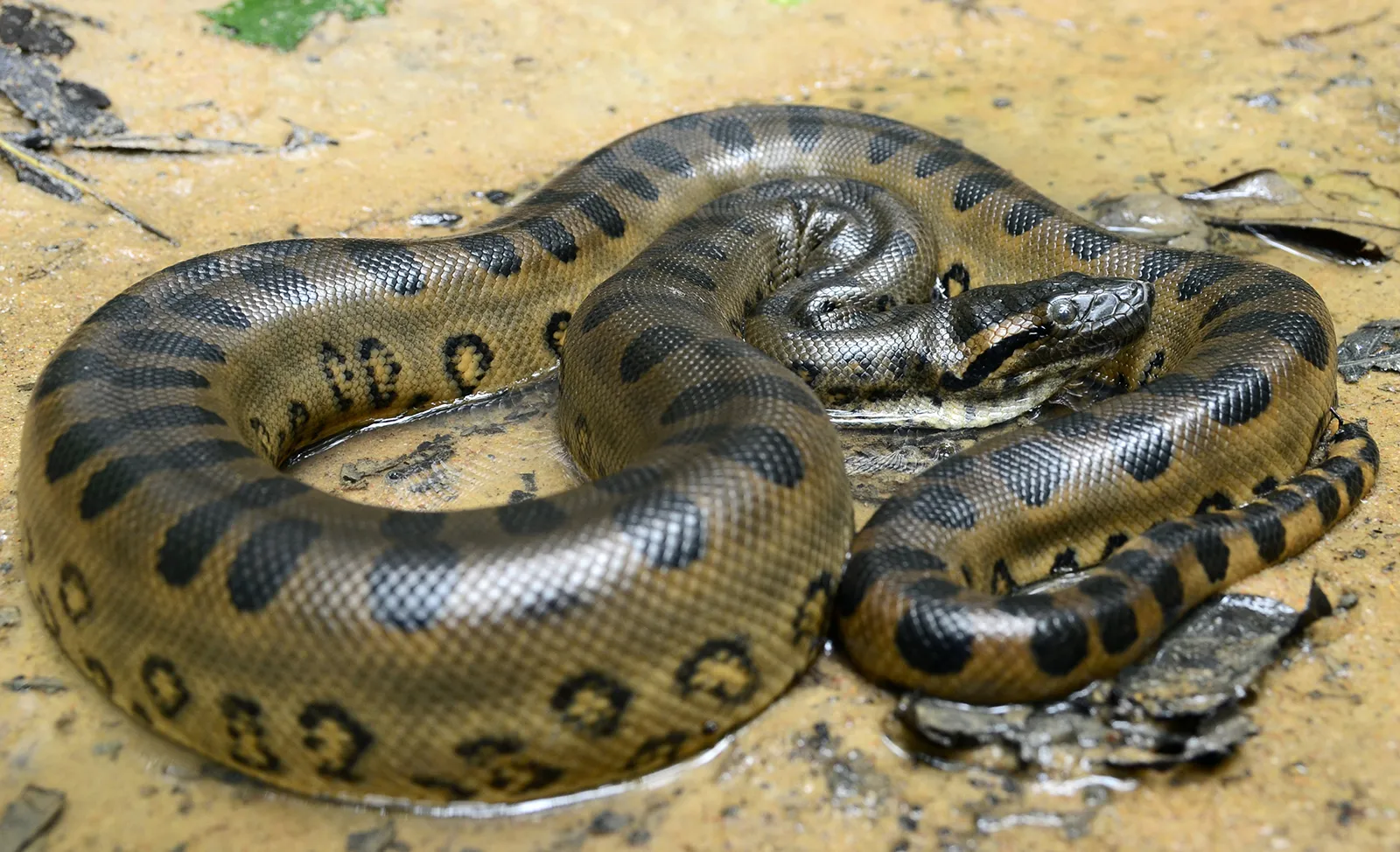
GREEN ANACONDA Eunectes murinus
The green anaconda is one of the largest snakes in the world, capable of growing over 9 meters in length. It has a thick, muscular body with olive-green coloration and black oval patches. Anacondas are primarily aquatic and inhabit swamps, marshes, and slow-moving streams in the Orinoquia region. They are ambush predators, preying on a variety of animals, including fish, birds, and mammals.
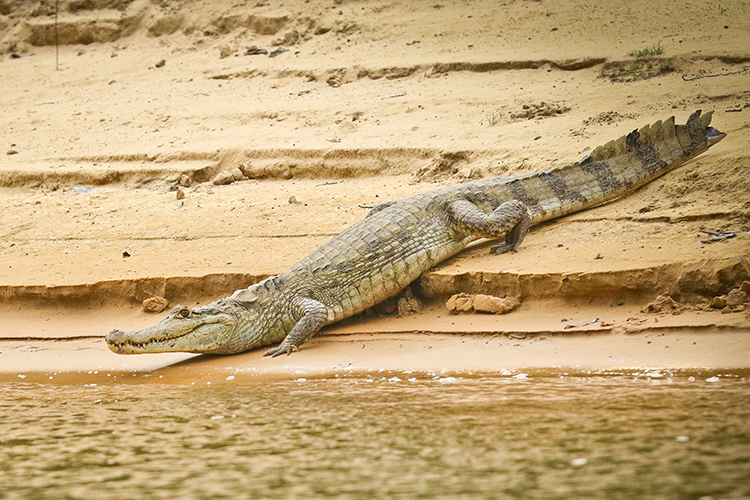
ORINOCO CAIMAN Caiman crocodilus
The Orinoco caiman, also known as the spectacled caiman, is a medium-sized crocodilian native to the Orinoco River basin. It has a broad, flattened body with rough, scaly skin and a distinctive bony ridge between the eyes. Caimans are opportunistic feeders, preying on fish, birds, and small mammals. They play a vital role in maintaining the balance of aquatic ecosystems.
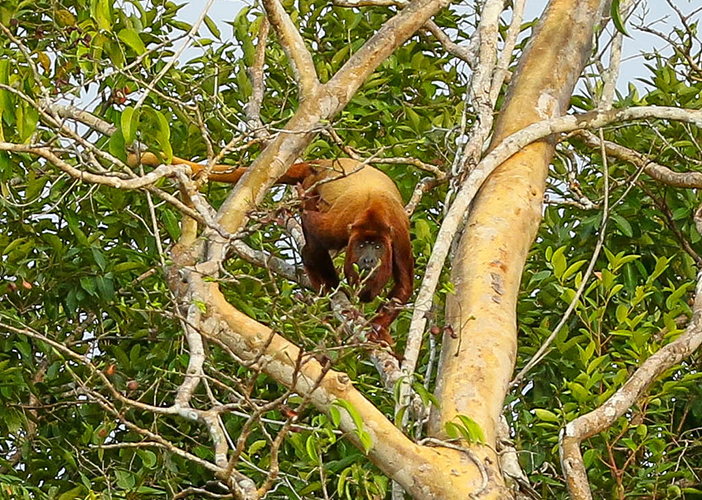
RED HOWLER MONKEY Alouatta seniculus
Red howler monkeys are known for their deep, resonant calls that can be heard over long distances. They have reddish-brown fur and are arboreal, spending most of their time in the forest canopy. These monkeys are herbivores, feeding on leaves, fruits, and flowers. They are an important part of the Orinoquia forest ecosystem, aiding in seed dispersal and forest health.
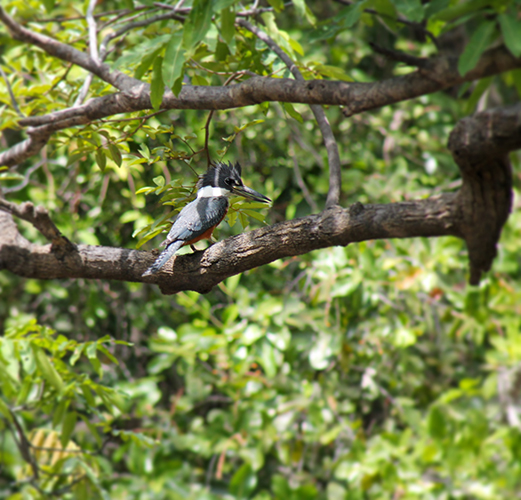
KINGFISHER Family: Alcedinidae
Kingfishers are small to medium-sized birds with bright plumage and large, pointed bills. They are commonly found near water bodies, where they hunt for fish and aquatic insects. In the Orinoquia region, several species of kingfishers can be observed. They play a crucial role in controlling fish and insect populations, contributing to the health of aquatic ecosystems.
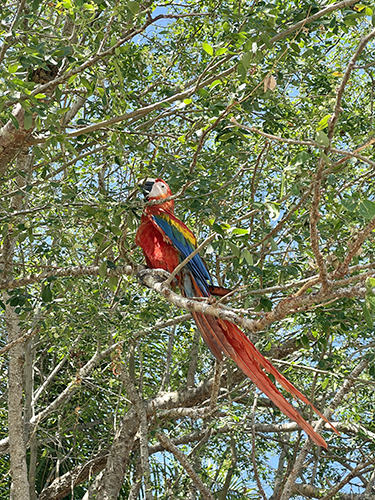
SCARLET MACAW Ara macao
The scarlet macaw is a large, brightly colored parrot with predominantly red plumage and blue and yellow wings. These birds are highly social and often seen in pairs or flocks. They inhabit tropical rainforests, including those in the Orinoquia region. Scarlet macaws feed on fruits, nuts, and seeds, and their strong beaks allow them to crack open hard shells. They are vital for seed dispersal and forest regeneration.
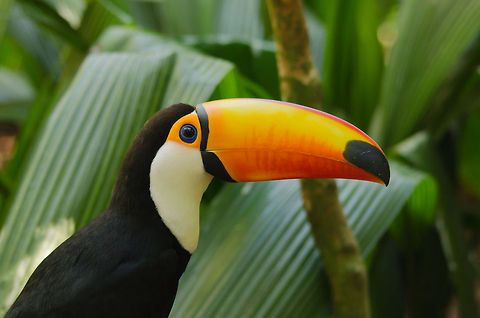
TOUCAN Family: Ramphastidae
Toucans are easily recognizable by their large, colorful bills and vibrant plumage. These birds are primarily frugivorous, feeding on a variety of fruits, but they also consume insects and small animals. Toucans inhabit the forests of the Orinoquia region, playing a significant role in seed dispersal. Their striking appearance and unique vocalizations make them a favorite among bird watchers and ecotourists.
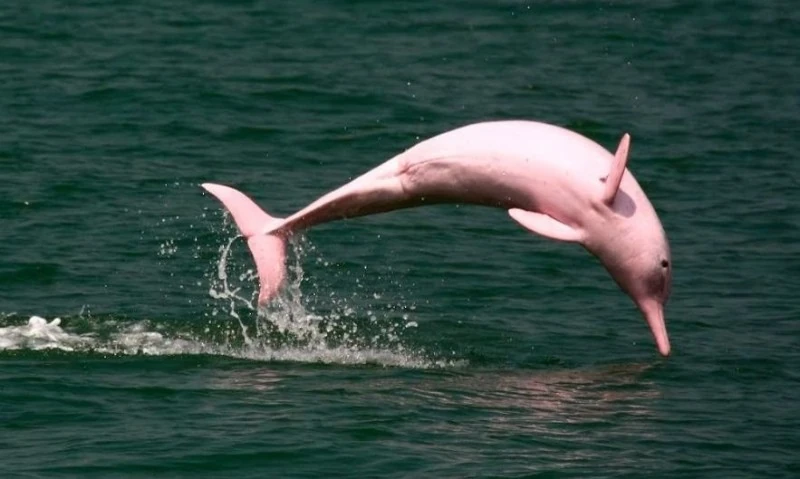
PINK DOLPHIN Inia geoffrensis
The pink river dolphin, also known as the Amazon river dolphin, is a freshwater cetacean found in the Amazon and Orinoco river basins. It is known for its distinctive pink coloration, which becomes more pronounced as they age. These dolphins have a flexible neck and can turn their heads side-to-side, which helps them navigate through flooded forests and complex river systems. They feed on a variety of fish, crustaceans, and even small turtles.
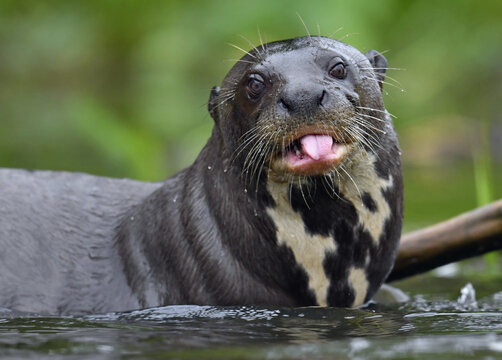
ORINOCO GIANT OTTER Pteronura brasiliensis
The giant otter is the largest otter species in the world, reaching up to 1.7 meters in length. It has a sleek, brown body with a distinctive white throat patch. Giant otters are social animals, living in family groups and communicating with a range of vocalizations. They inhabit rivers, lakes, and wetlands in the Orinoquia region and are excellent swimmers, preying primarily on fish.
GALLERY
For more information and to view our photo gallery, visit