After two years of relentless exploration, we’ve uncovered the ultimate hidden gem:
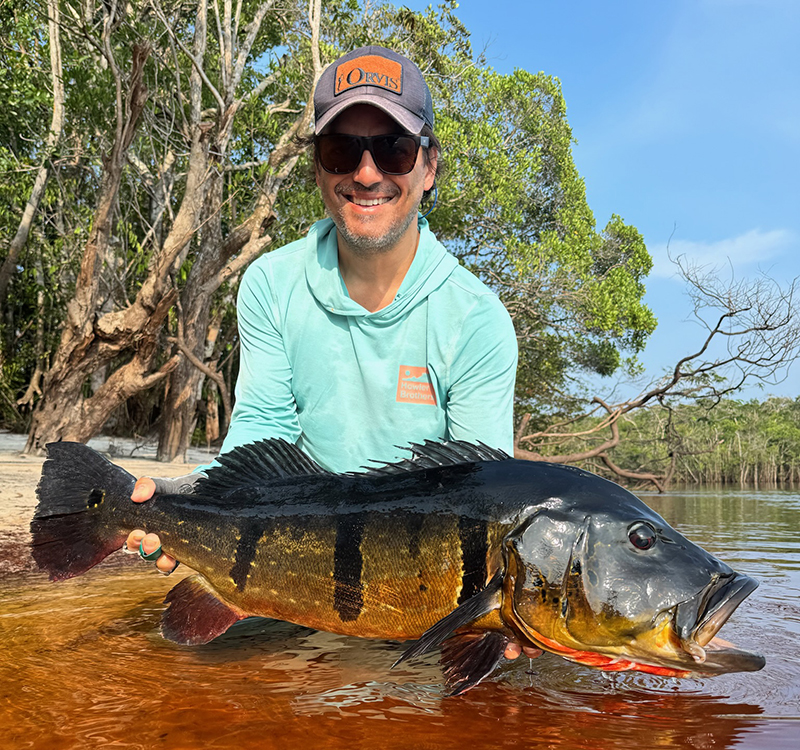
The Pasimoni River, a remote paradise where monster peacock bass reign supreme. This untouched river is a gateway between the Amazon and Orinoco, creating an ecosystem unlike any other.
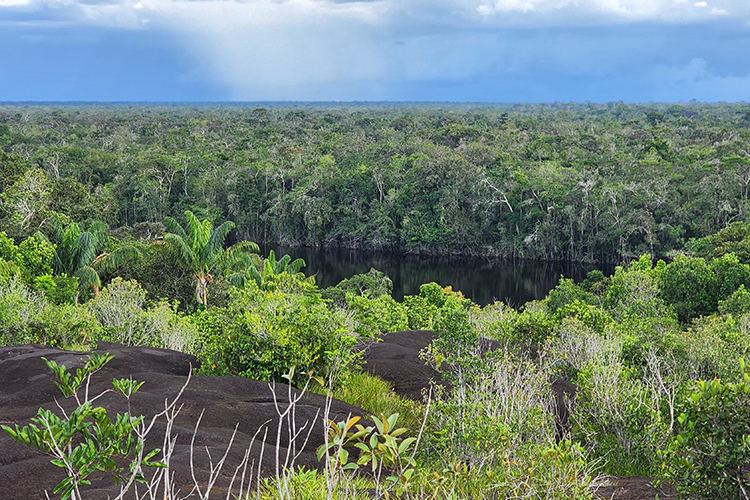
Towering ancient trees, labyrinthine waterways, and the distant calls of howler monkeys set the stage for an angling experience like no other.
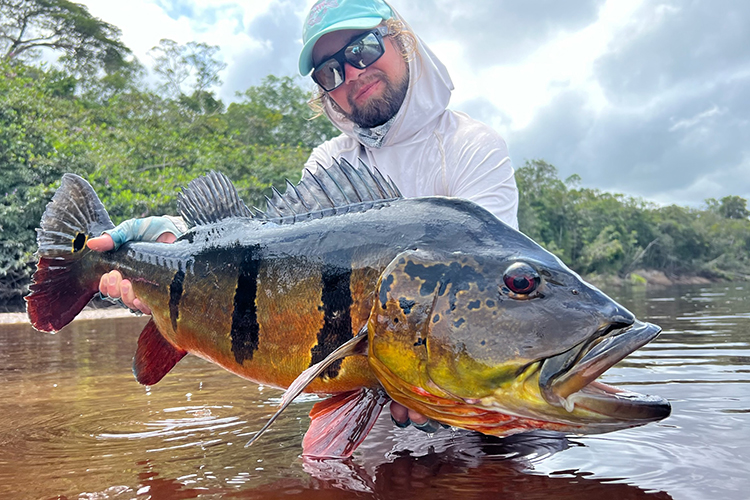
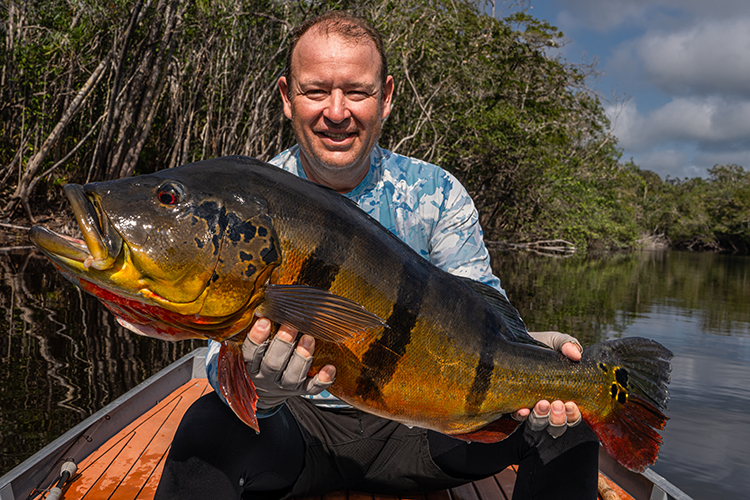
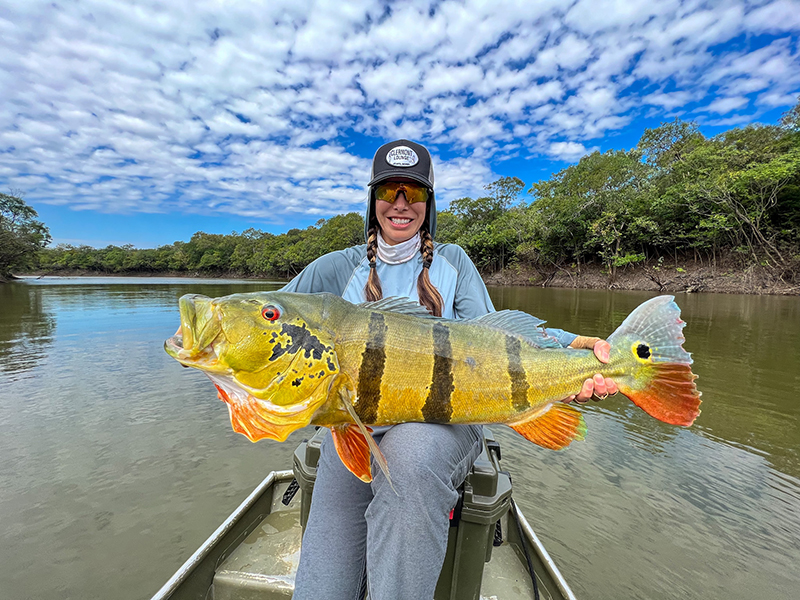
Formerly part of the headwaters of the Rio Negro in the Brazilian Amazon, the Pasimoni River is renowned for its Temensis peacock bass, often weighing over 20 pounds. Unlike other rivers, it has seen minimal tourist fishing since the 1990s, making it South America’s prime location for giant peacock bass.
Season
September to December
January to March
10
Guests per week
Trip Information
Formerly part of the headwaters of the Rio Negro in the Brazilian Amazon, the Pasimoni River is renowned for its Temensis peacock bass, often weighing over 20 pounds. Unlike other rivers, it has seen minimal tourist fishing since the 1990s, making it South America’s prime location for giant peacock bass.
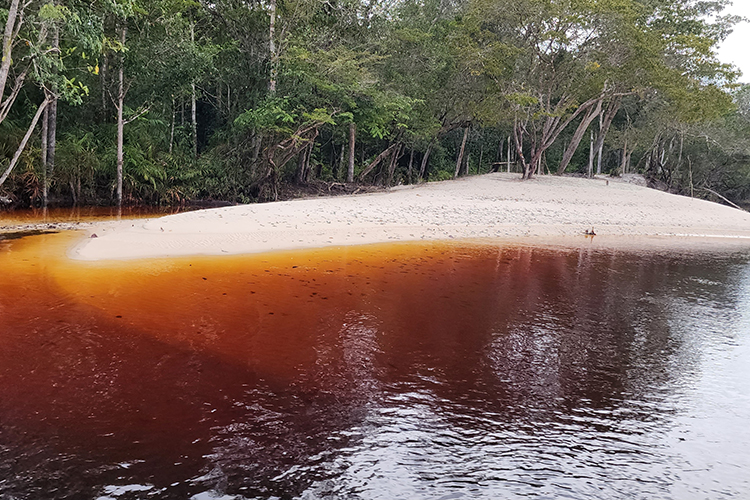
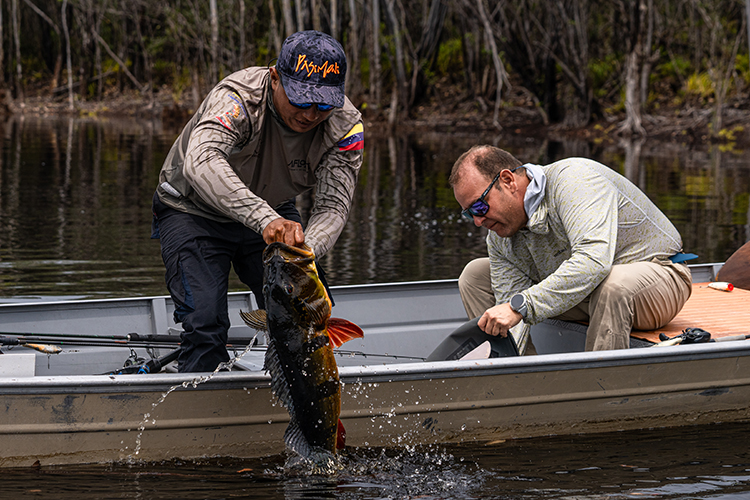
A typical day here includes exploring lagoons, freshwater mangroves, and stretches of jungle-lined riverbanks. The river’s amber waters offer excellent sight fishing, alongside white sand beaches and oxygen-rich blackwater habitats where powerful, dark-hued peacock bass thrive.
Fishing gear is not provided. Single hooks are required on all lures and flies when targeting peacock bass.
TRAVELING LIGHT IS ESSENTIAL FOR REACHING THIS REMOTE LOCATION. PLEASE BRING ONLY NECESSARY CLOTHING, AS LAUNDRY FACILITIES ARE AVAILABLE AT THE CAMP. PACK YOUR BEST FISHING GEAR FOR THIS GREAT ADVENTURE.
Trip Itinerary:
Includes:
• Airport transfers • 2 nights in a hotel in Bogotá (double room) • Private charter flight round trip • Transfers to the camp and the river • 3 meals per day • Unlimited soft drinks and beer • Snacks • Travel insurance
Excludes:
• Flight to Bogotá, Colombia • Excess baggage charges • Meals in Bogotá or outside the camp • Additional activities in Bogotá • Fishing equipment • Alcoholic beverages (available upon request with prior notice) • Tips (we suggest a gratuity of 10% to 15% of the total package price) • Global rescue service (highly recommended)
Equipment, Services and Accommodation
Equipos y servicios:
• Guías de pesca locales con experiencia • Embarcaciones Lowe 1440 de 4,2 metros (14 pies) para 2 pescadores cada una, con motores Suzuki de 30 CV • Neveras portátiles • Licencia de pesca • Equipo de pesca (opcional) • Botiquín de primeros auxilios • Teléfono satelital • Internet Starlink en el campamento • Servicio de lavandería • Chef profesional • Rescate internacional (no incluido, muy recomendable) • Servicios de fotografía (opcional)
Alojamiento:
• Máximo de 10 pescadores por semana • El alojamiento ofrece habitaciones dobles • Las habitaciones están equipadas con electricidad y ventiladores • Botiquín de primeros auxilios disponible • WiFi Starlink para comunicación • Servicio de limpieza • 2 pescadores por barco • Chef
*In Bogota, you can use Uber for transportation, and credit cards are widely accepted at restaurants in the city. However, we recommend exchanging some Colombian pesos for your expenses in the remote locations we will visit.
SPECKLED PEACOCK BASS
Cichla temensis
SPECKLED PEACOCK BASS Cichla temensis
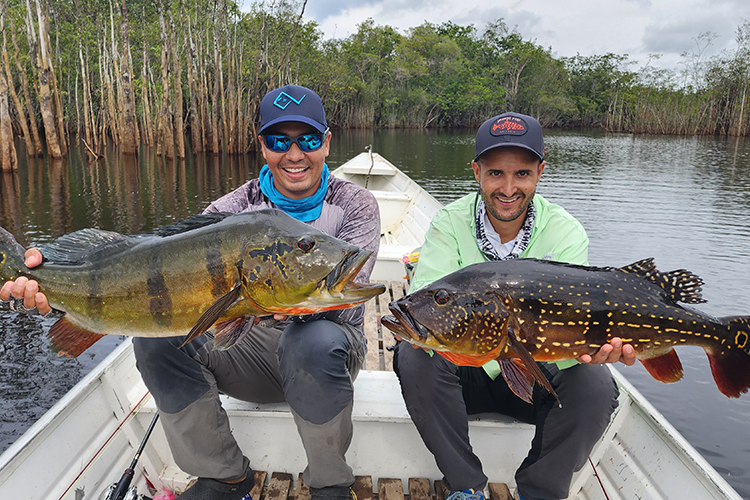
The largest cichlid in the world, native to the Amazon and Orinoco basins. Known for its aggressive nature and striking looks, it can grow up to 100 cm and 30 pounds. Anglers prize this fish for its impressive size and challenging fight.
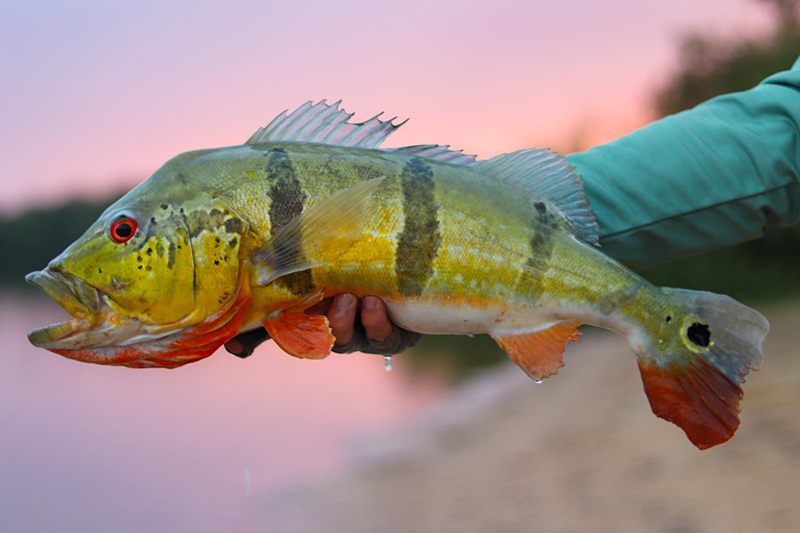
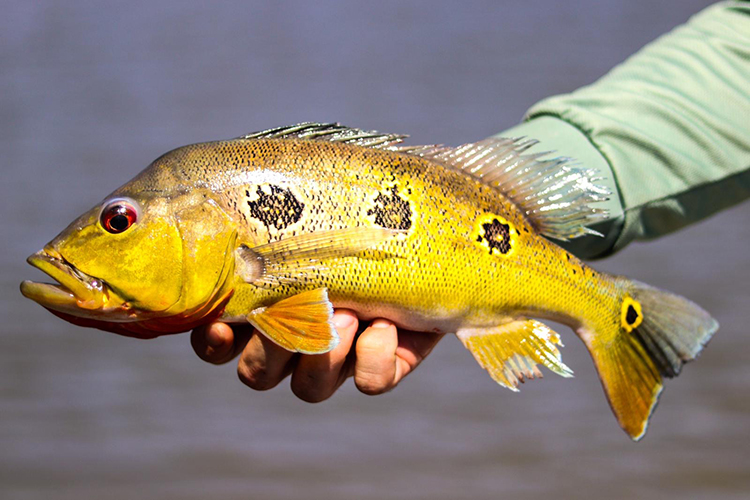
ORINOCO PEACOCK BASS Cichla orinocensis
Commonly known as the Orinoco Peacock Bass, is a carnivorous cichlid found in the Orinoco River basin of South America. It reaches sizes of 30-60 cm and is prized by anglers for its aggressive nature, vibrant coloration, and strong fighting ability. This species inhabits slow-moving waters with vegetation and is a sought-after game fish for sport fishing enthusiasts.
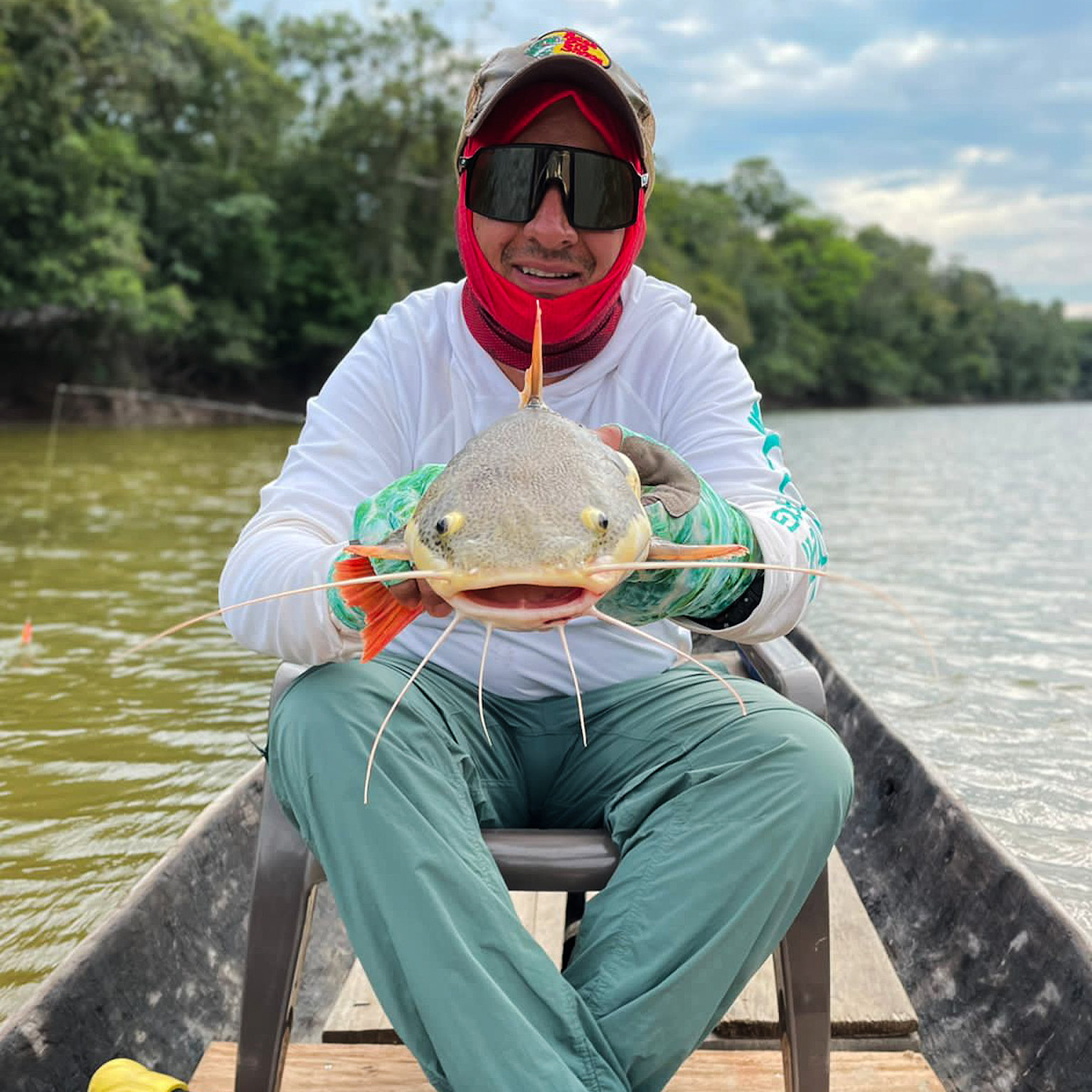
RED TAIL CATFISH Phractocephalus hemioliopterus
Large freshwater species native to South American rivers like the Amazon and Orinoco basins. It is known for its impressive size, reaching over 1.5 meters in length and weights exceeding 170 pounds. Recognizable by its broad head and distinctive red-orange tail fin, this catfish inhabits slow-moving waters with muddy or sandy bottoms. Red Tail Catfish are omnivorous, consuming fish, crustaceans, and plant matter.
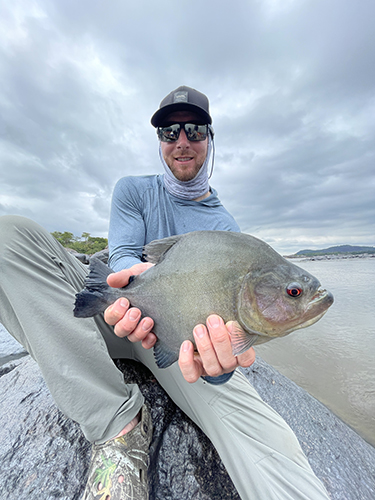
PIRANHA Pygocentrus cariba
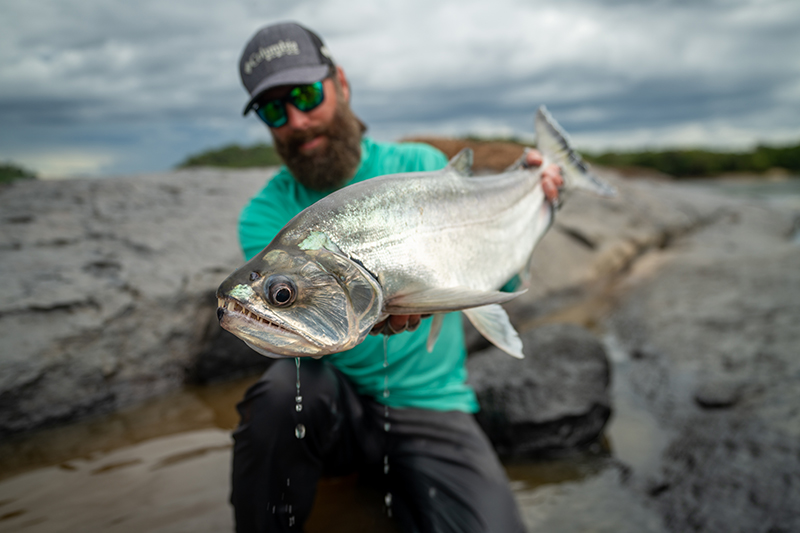
Is a carnivorous freshwater fish native to South American rivers, particularly in the Amazon Basin and Orinoco River systems. Known for their robust bodies, silvery coloration, and sharp, triangular teeth, Piranhas grow up to 30 cm (12 inches) in length. They inhabit slow-moving rivers and lakes with dense vegetation, where they feed on fish, crustaceans, and occasionally small mammals or birds.
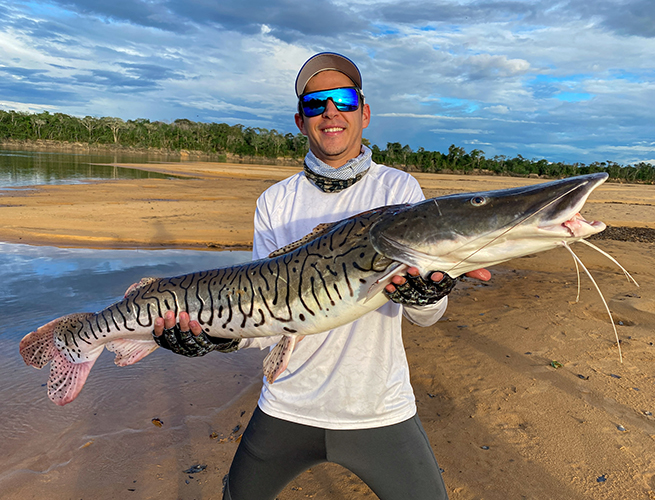
SHOVEL NOSE CATFISH Pseudoplatystoma fasciatum
Large freshwater species native to South American rivers like the Amazon and Orinoco basins. Known for its distinctive shovel-shaped snout, it can reach lengths of 1-1.5 meters and weigh up to 65 pounds. These catfish prefer habitats with fast-flowing currents and rocky bottoms, where they hunt fish, crustaceans, and other prey. Highly prized by sport fishermen for their size and powerful fights.
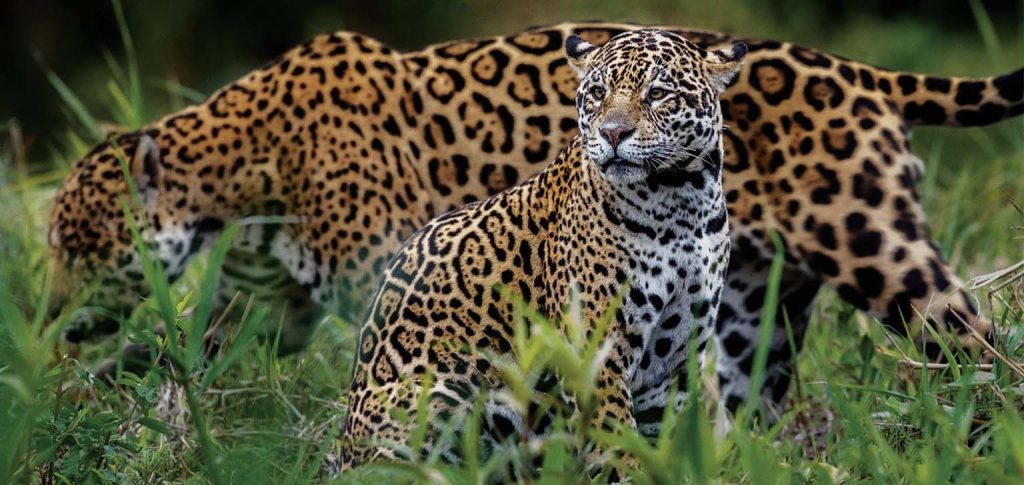
JAGUAR Panthera onca
The jaguar is the largest cat in the Americas and a powerful apex predator. It has a robust build with a yellowish-brown coat marked by black rosettes and spots. Jaguars primarily inhabit tropical rainforests, including the Orinoquia region, where they hunt a variety of prey, such as deer, capybaras, and tapirs. They are solitary animals, known for their stealth and strength.
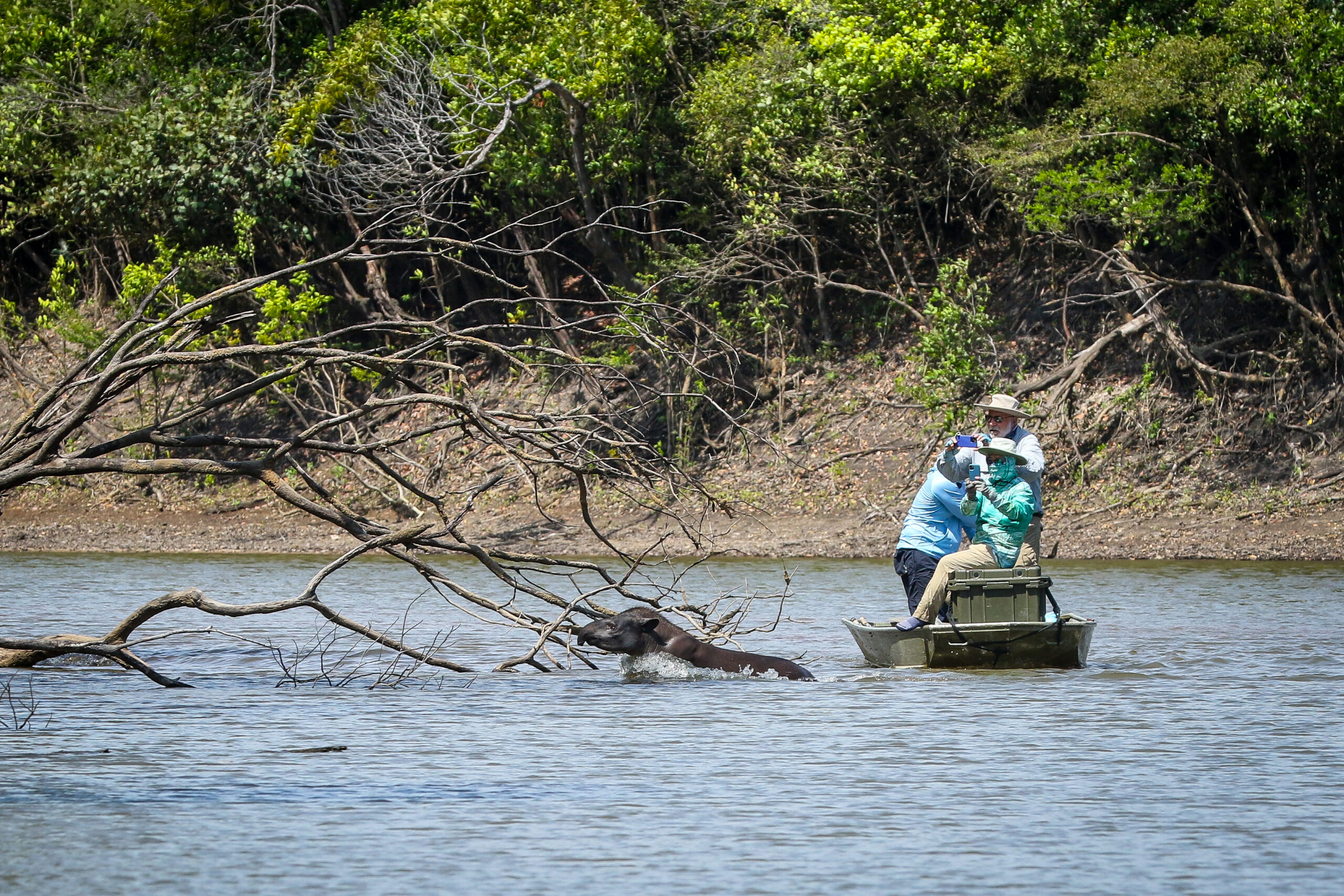
TAPIR Tapirus terrestris
The South American tapir, also known as the Brazilian tapir, is a large, herbivorous mammal with a prehensile snout. It has a dark brown coat and can weigh up to 250 kg. Tapirs inhabit the forests and grasslands of the Orinoquia region. They are primarily nocturnal and feed on leaves, fruits, and aquatic plants. Tapirs play a crucial role in seed dispersal, aiding forest regeneration.
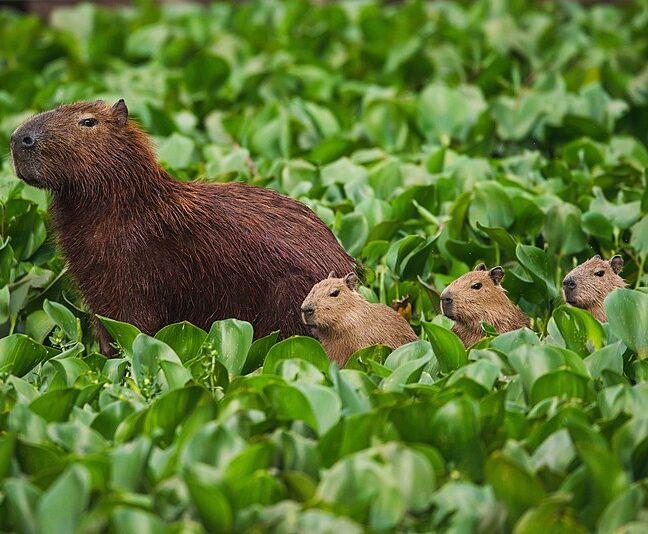
CAPYBARA Hydrochoerus hydrochaeris
Capybaras are the largest rodents in the world, easily recognizable by their large, barrel-shaped bodies and webbed feet. They are social animals, often found in groups near water sources. Capybaras are herbivores, feeding on grasses and aquatic plants. They inhabit various wetland environments, including those in the Orinoquia region, and are an essential part of the ecosystem.
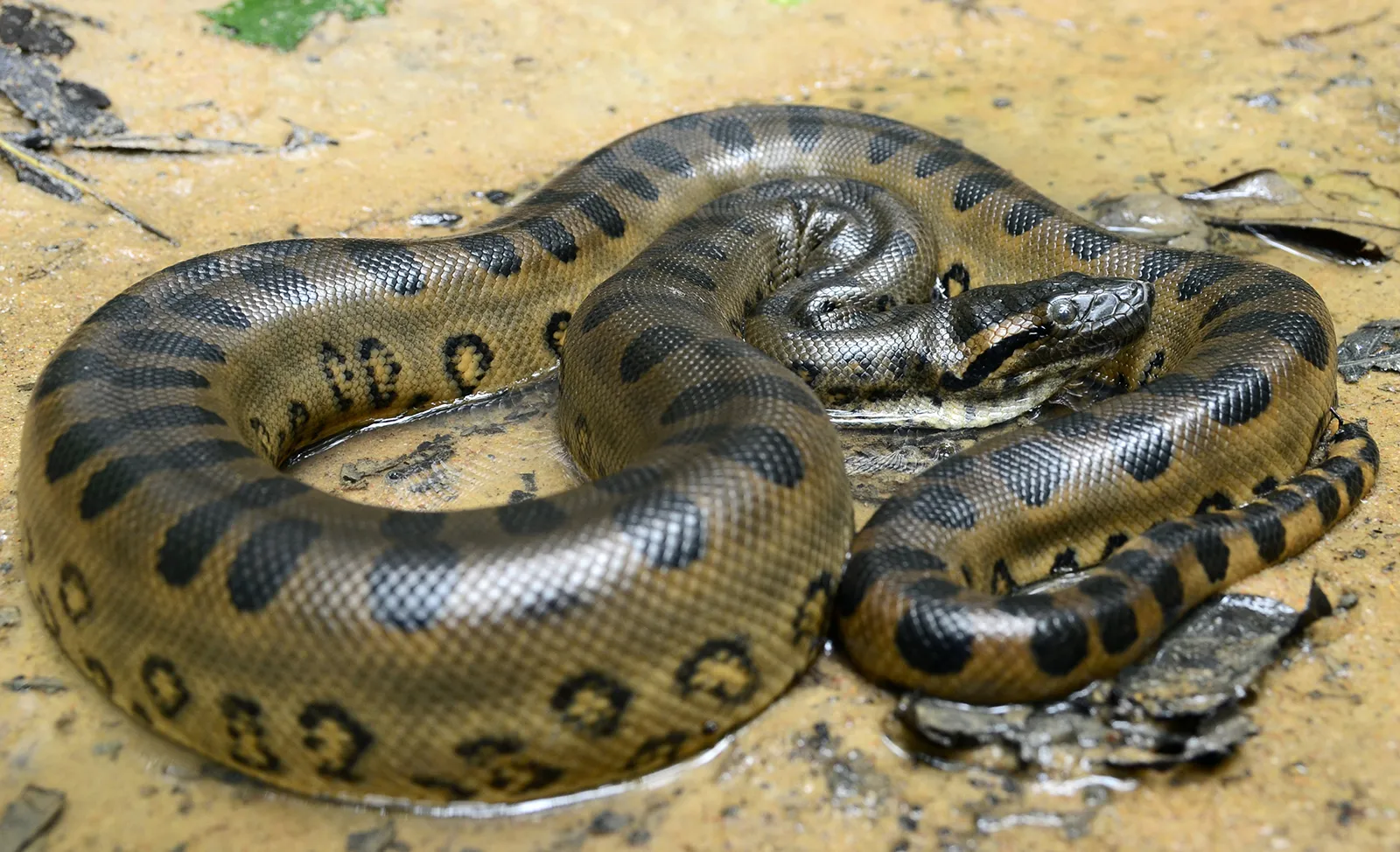
GREEN ANACONDA Eunectes murinus
The green anaconda is one of the largest snakes in the world, capable of growing over 9 meters in length. It has a thick, muscular body with olive-green coloration and black oval patches. Anacondas are primarily aquatic and inhabit swamps, marshes, and slow-moving streams in the Orinoquia region. They are ambush predators, preying on a variety of animals, including fish, birds, and mammals.
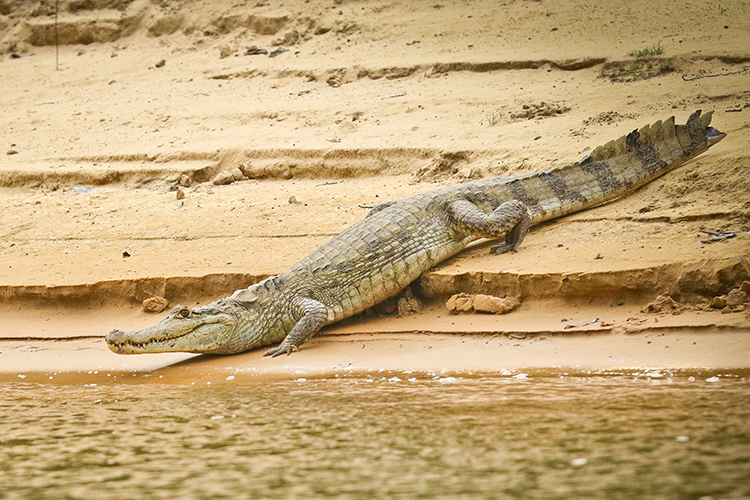
ORINOCO CAIMAN Caiman crocodilus
The Orinoco caiman, also known as the spectacled caiman, is a medium-sized crocodilian native to the Orinoco River basin. It has a broad, flattened body with rough, scaly skin and a distinctive bony ridge between the eyes. Caimans are opportunistic feeders, preying on fish, birds, and small mammals. They play a vital role in maintaining the balance of aquatic ecosystems.
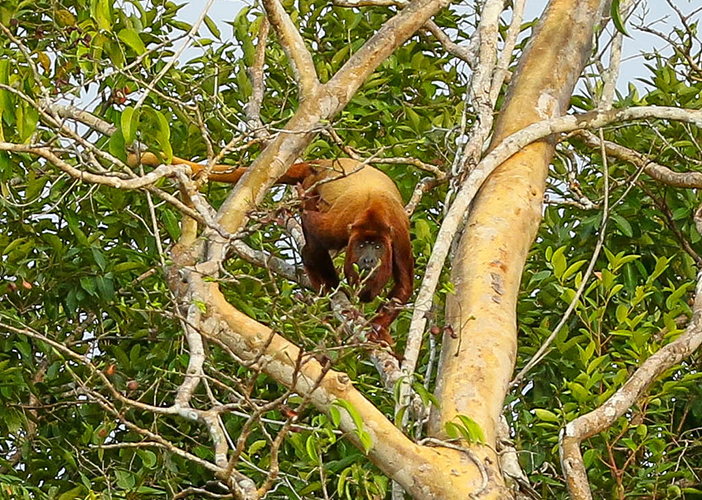
RED HOWLER MONKEY Alouatta seniculus
Red howler monkeys are known for their deep, resonant calls that can be heard over long distances. They have reddish-brown fur and are arboreal, spending most of their time in the forest canopy. These monkeys are herbivores, feeding on leaves, fruits, and flowers. They are an important part of the Orinoquia forest ecosystem, aiding in seed dispersal and forest health.
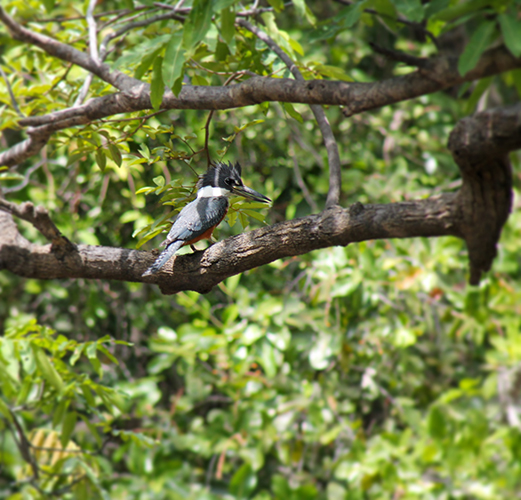
KINGFISHER Family: Alcedinidae
Kingfishers are small to medium-sized birds with bright plumage and large, pointed bills. They are commonly found near water bodies, where they hunt for fish and aquatic insects. In the Orinoquia region, several species of kingfishers can be observed. They play a crucial role in controlling fish and insect populations, contributing to the health of aquatic ecosystems.
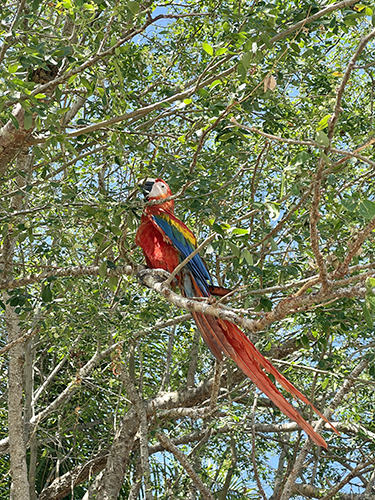
SCARLET MACAW Ara macao
The scarlet macaw is a large, brightly colored parrot with predominantly red plumage and blue and yellow wings. These birds are highly social and often seen in pairs or flocks. They inhabit tropical rainforests, including those in the Orinoquia region. Scarlet macaws feed on fruits, nuts, and seeds, and their strong beaks allow them to crack open hard shells. They are vital for seed dispersal and forest regeneration.
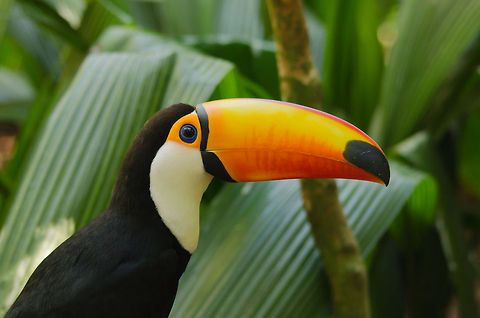
TOUCAN Family: Ramphastidae
Toucans are easily recognizable by their large, colorful bills and vibrant plumage. These birds are primarily frugivorous, feeding on a variety of fruits, but they also consume insects and small animals. Toucans inhabit the forests of the Orinoquia region, playing a significant role in seed dispersal. Their striking appearance and unique vocalizations make them a favorite among bird watchers and ecotourists.
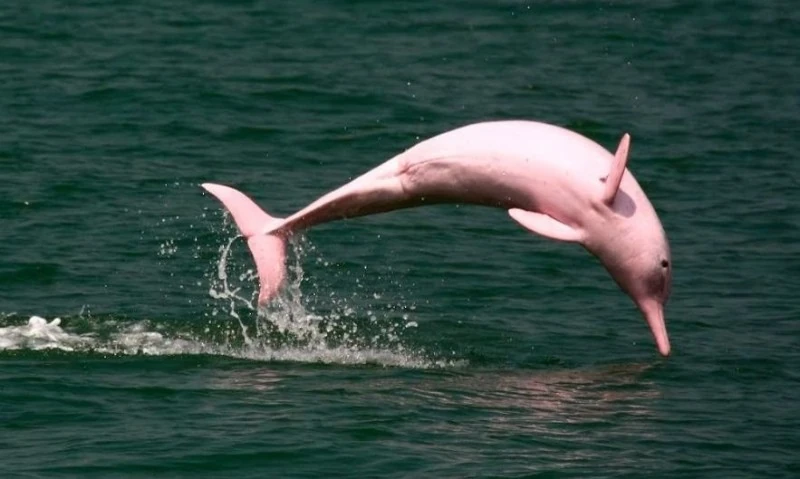
PINK DOLPHIN Inia geoffrensis
The pink river dolphin, also known as the Amazon river dolphin, is a freshwater cetacean found in the Amazon and Orinoco river basins. It is known for its distinctive pink coloration, which becomes more pronounced as they age. These dolphins have a flexible neck and can turn their heads side-to-side, which helps them navigate through flooded forests and complex river systems. They feed on a variety of fish, crustaceans, and even small turtles.
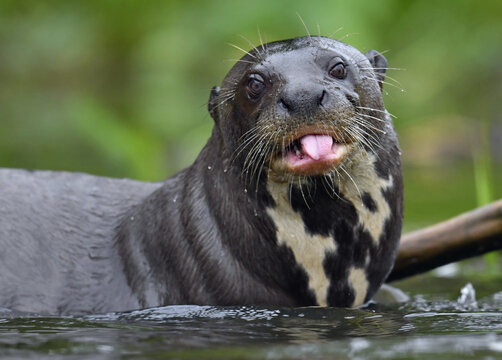
ORINOCO GIANT OTTER Pteronura brasiliensis
The giant otter is the largest otter species in the world, reaching up to 1.7 meters in length. It has a sleek, brown body with a distinctive white throat patch. Giant otters are social animals, living in family groups and communicating with a range of vocalizations. They inhabit rivers, lakes, and wetlands in the Orinoquia region and are excellent swimmers, preying primarily on fish.