
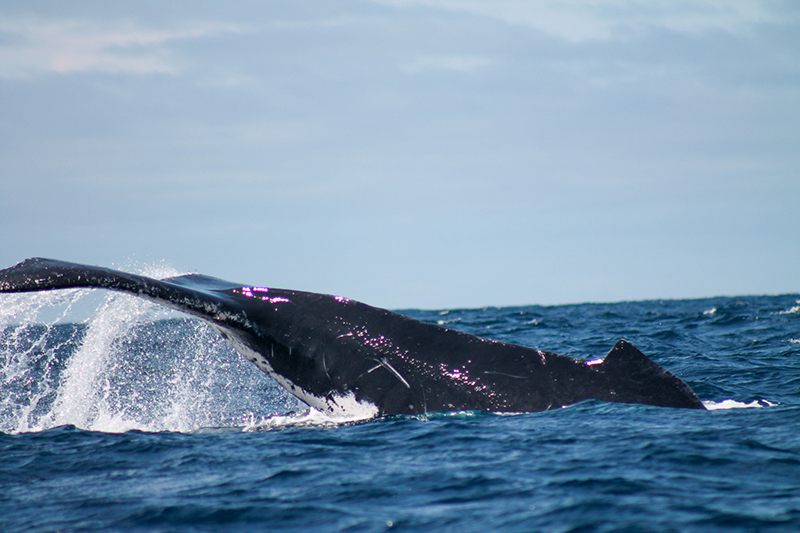
Every year, one of nature’s most remarkable migrations takes place beneath the ocean’s surface. Thousands of humpback whales leave the cold feeding grounds of the North Atlantic and travel thousands of miles to the warm waters of the Caribbean.
But why do they make such an incredible journey?
The answer is simple: to give birth and raise their calves in a safer environment.
During the summer months, humpback whales feed in nutrient-rich waters near Canada, Greenland, and the North Atlantic. These cold regions provide an abundance of krill and small fish, allowing the whales to build the energy reserves needed for migration and reproduction.
As winter approaches, pregnant females begin a long journey south toward the Caribbean. Warm tropical waters offer ideal conditions for newborn calves, which are born with a relatively thin layer of blubber and are not yet adapted to survive in colder environments.
In the Caribbean, mothers can give birth, nurse their calves, and help them gain strength before beginning the return journey north. The calmer, warmer waters reduce the risk of cold stress and provide a more suitable nursery for young whales during the first months of life.
After several weeks, the calves grow stronger and develop the energy needed to undertake the migration back to northern feeding grounds alongside their mothers.
This extraordinary cycle has repeated itself for thousands of years, making the Caribbean one of the most important breeding and nursery regions for humpback whales in the world.
For travelers and ocean enthusiasts, witnessing these majestic animals during their migration is a powerful reminder of the beauty and complexity of marine life—and of the importance of protecting the oceans they depend on.
