MATAVEN LODGE
A NEW FRONTIER FOR GIANT PEACOCK BASS
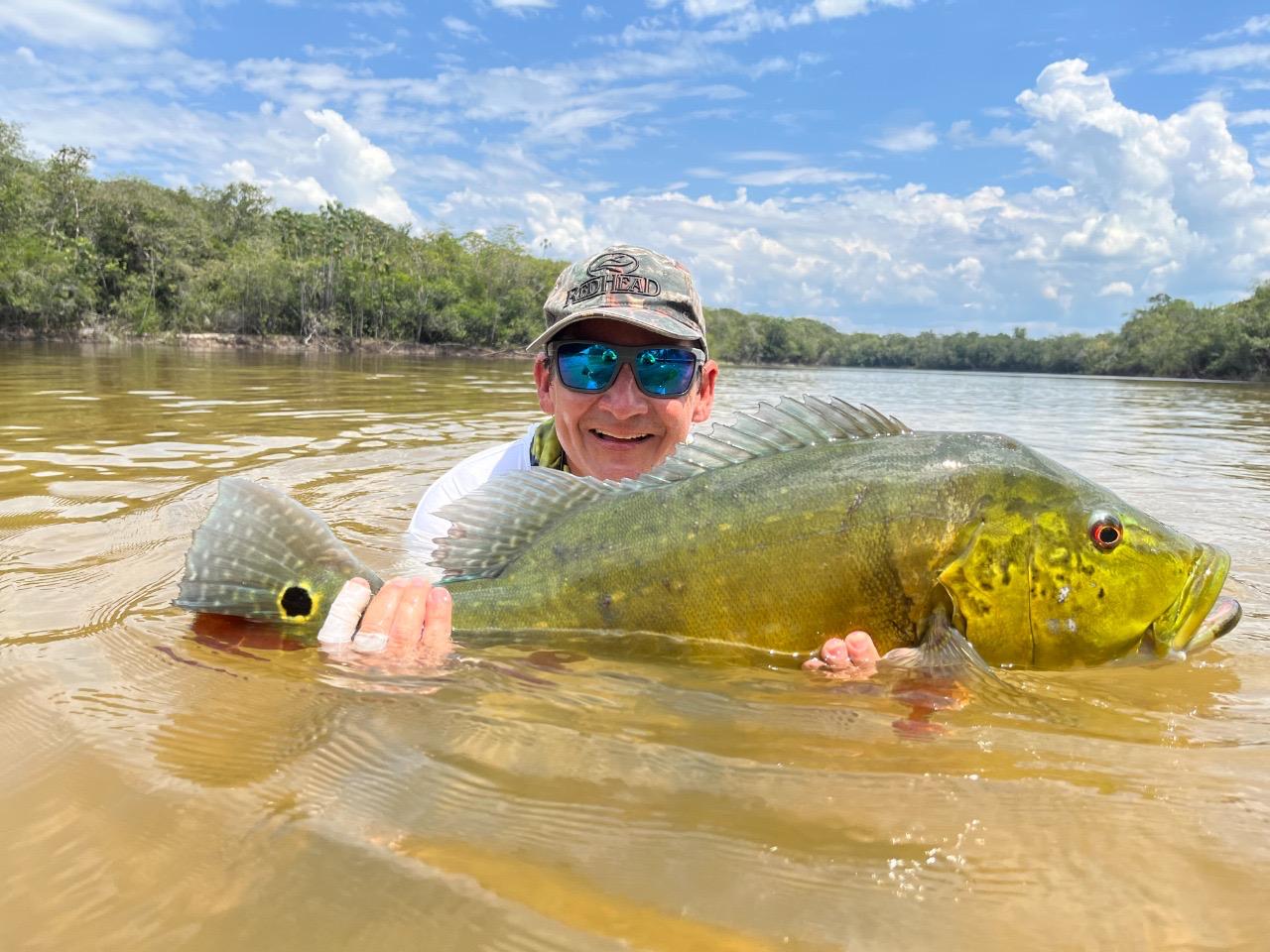
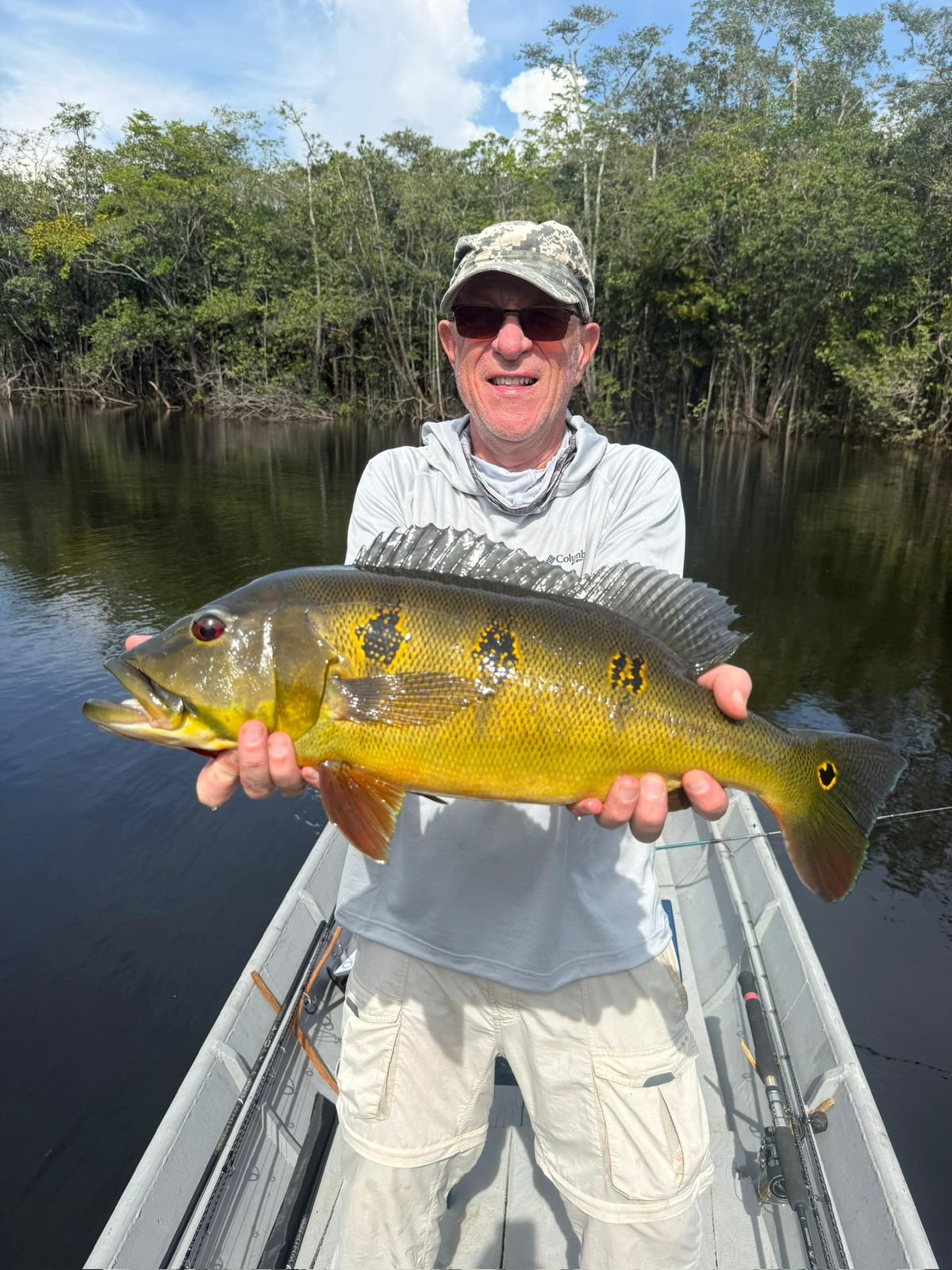
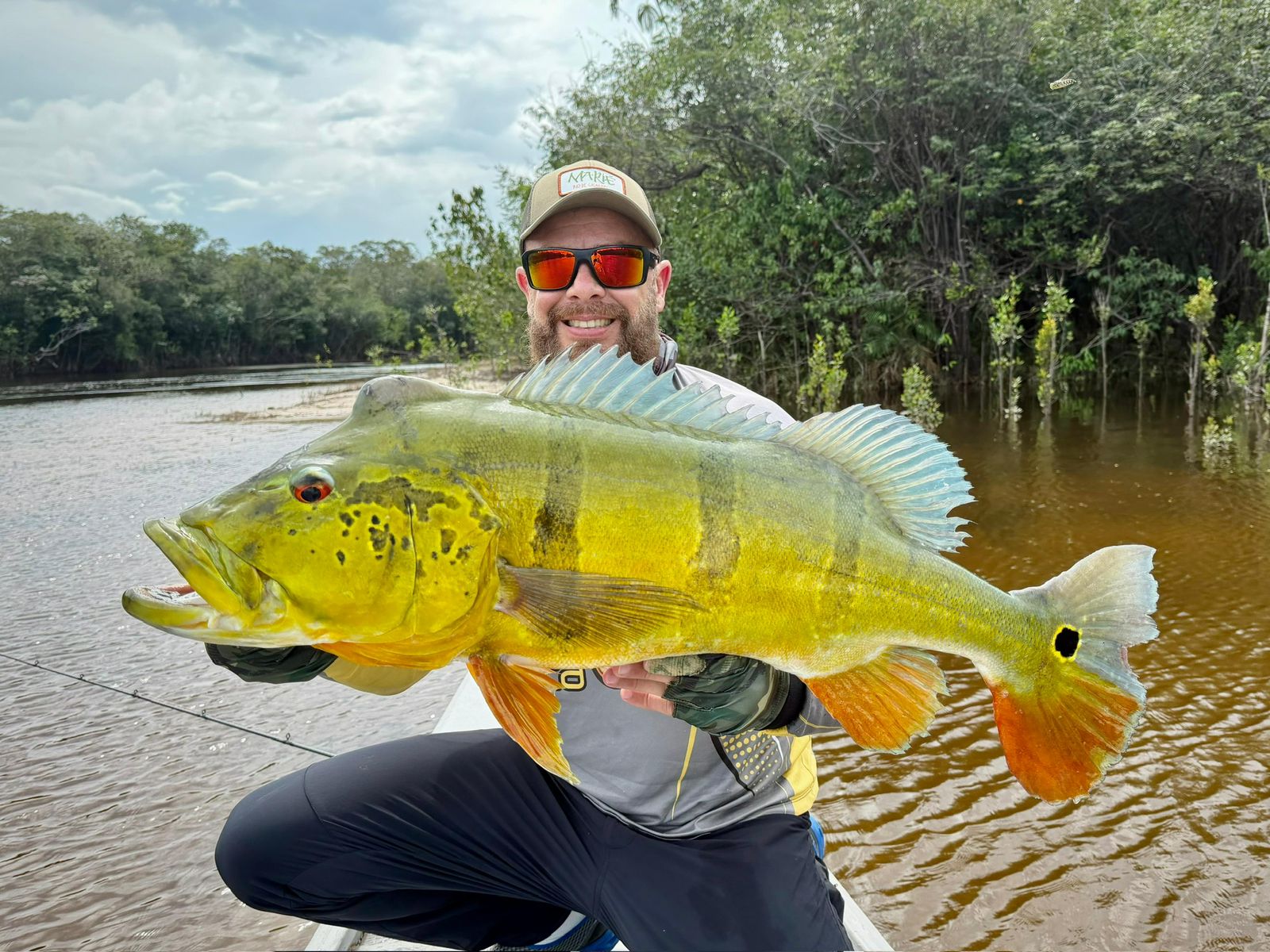
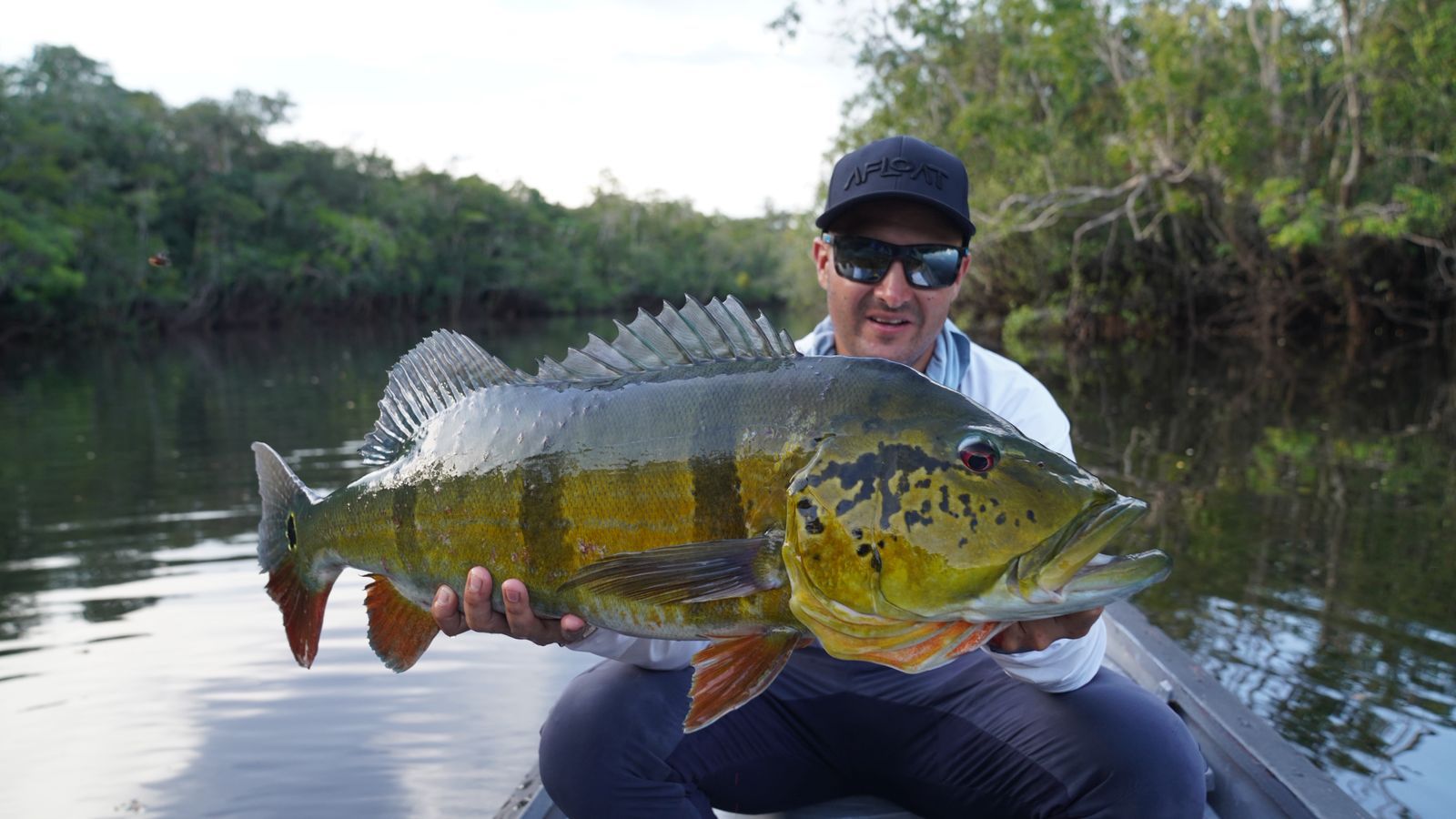
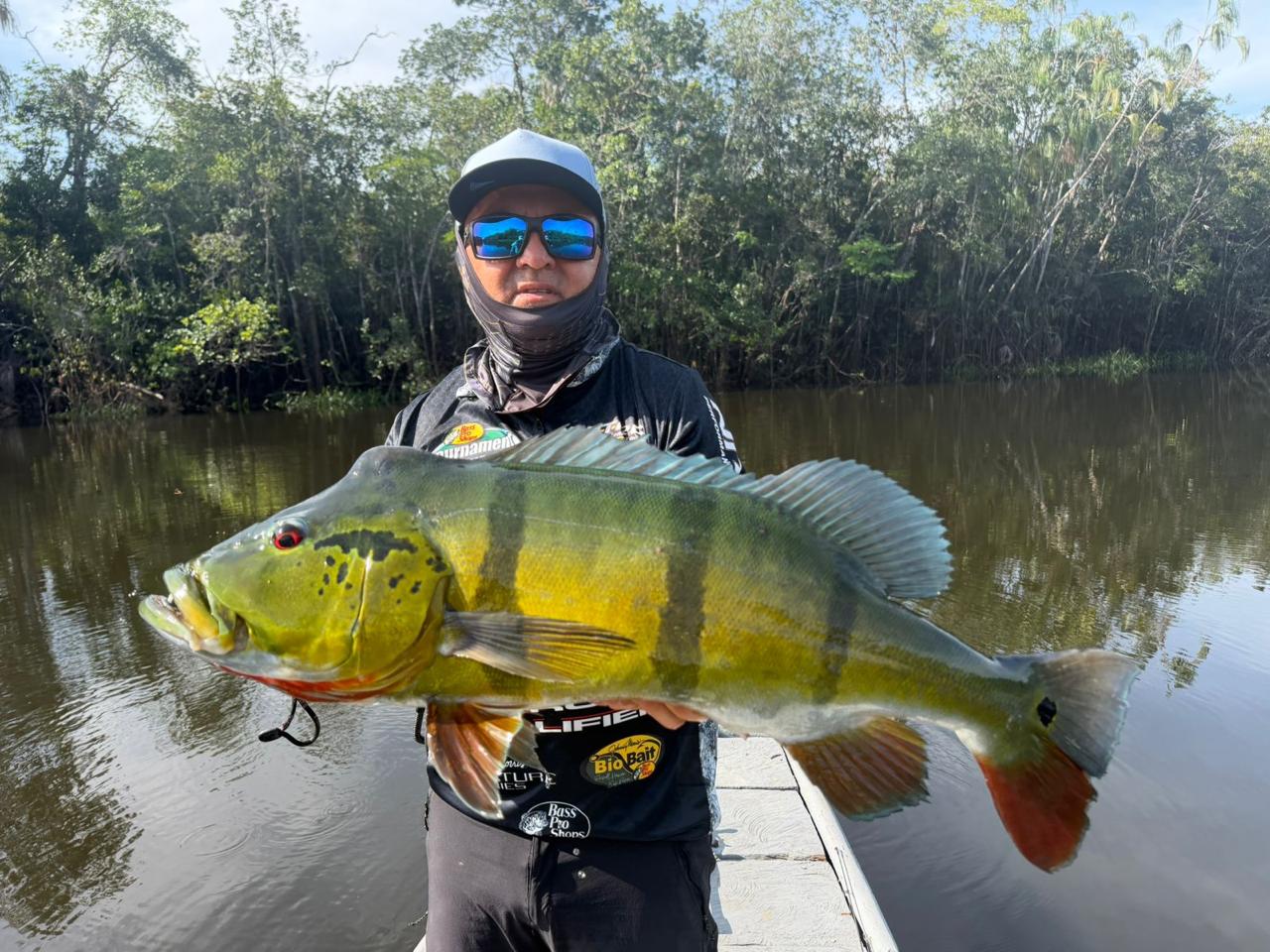
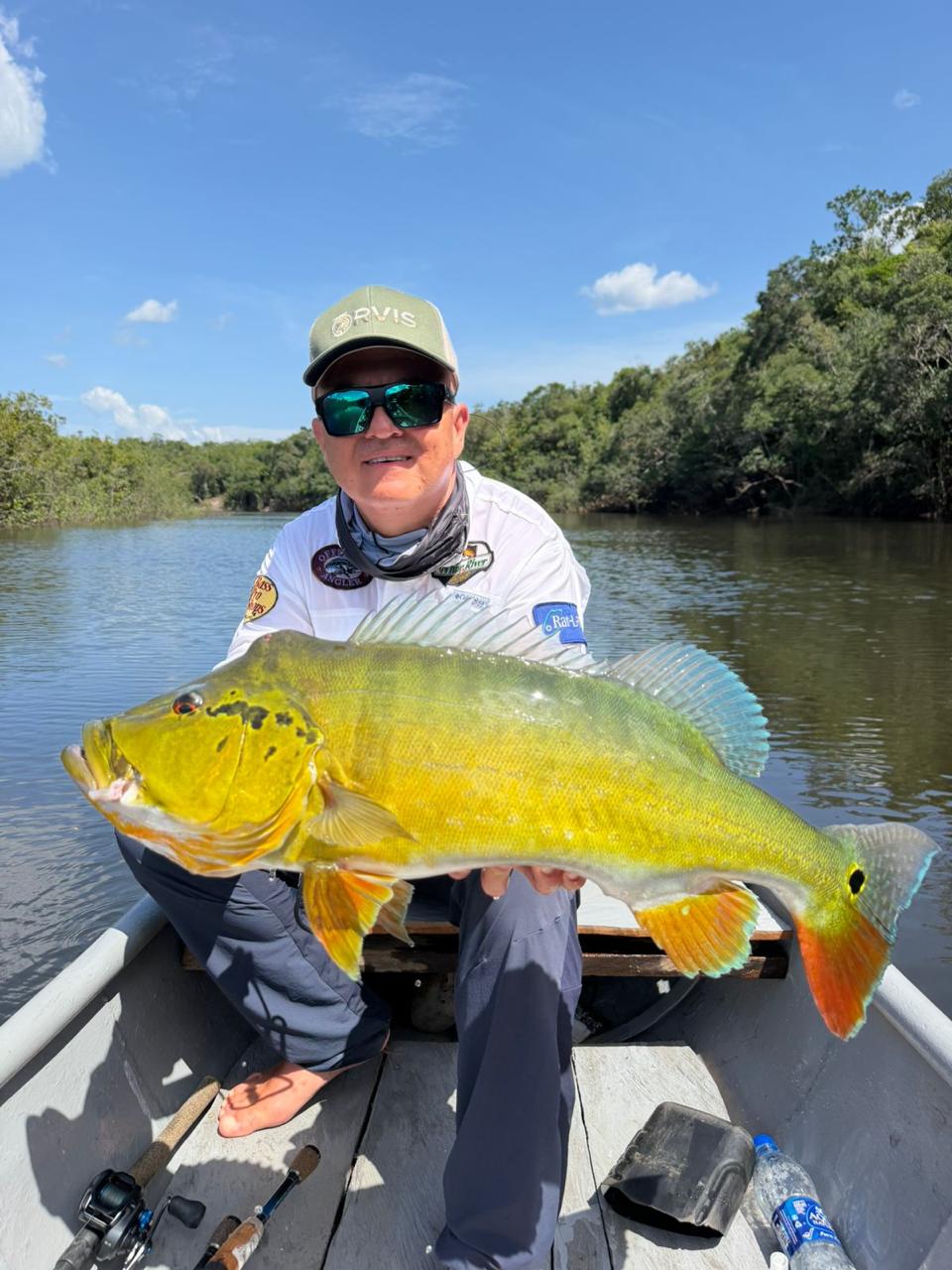
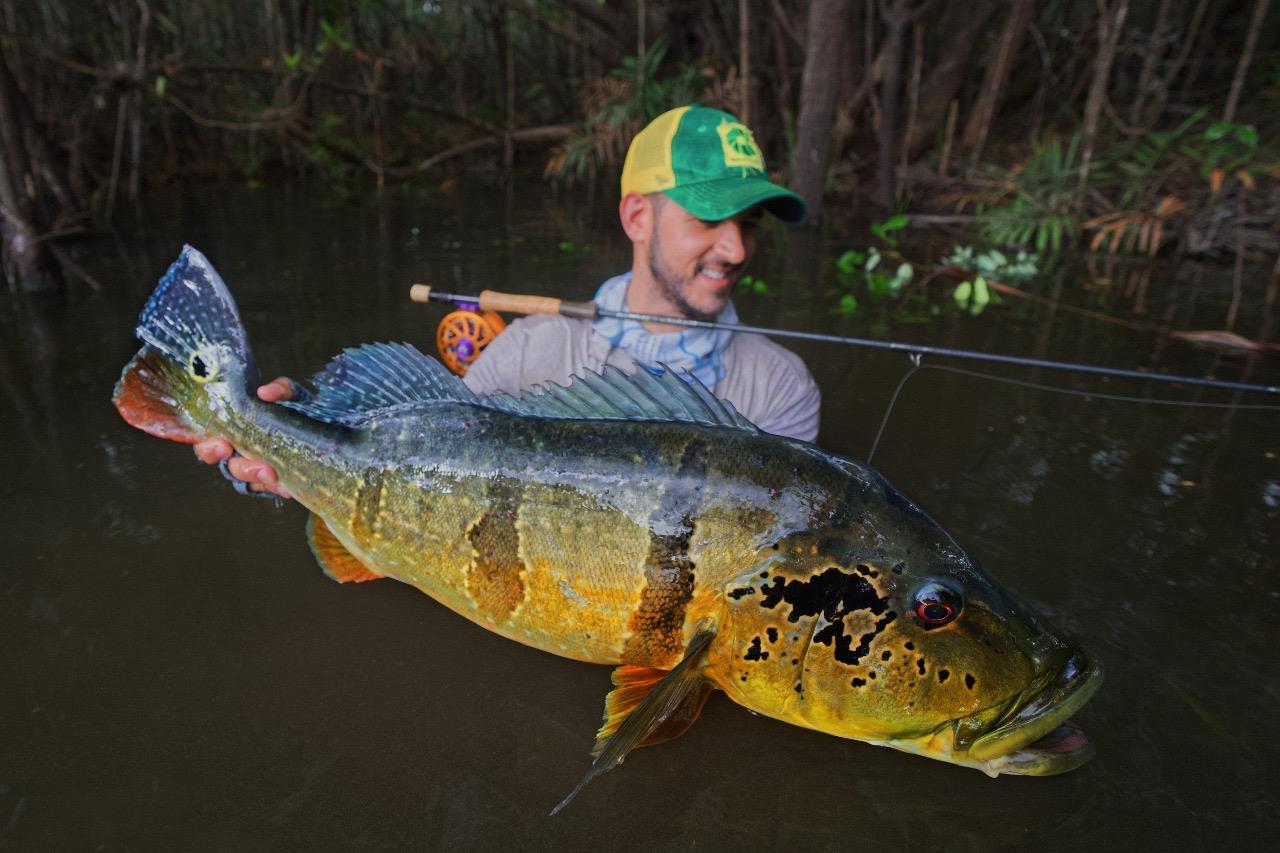
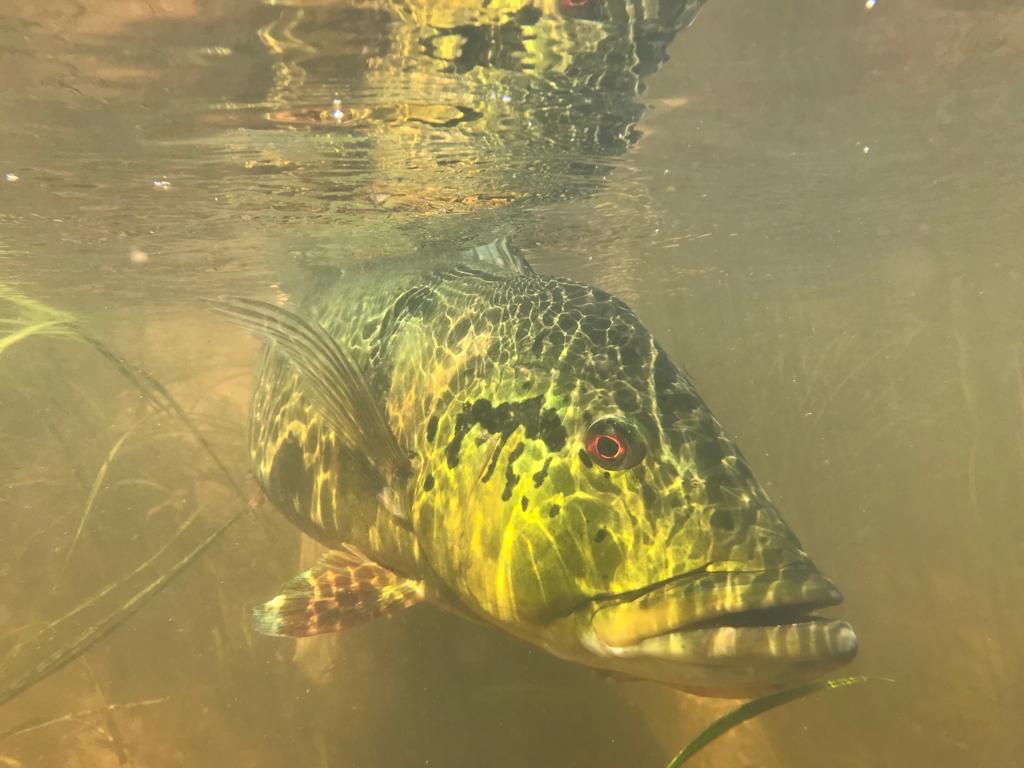
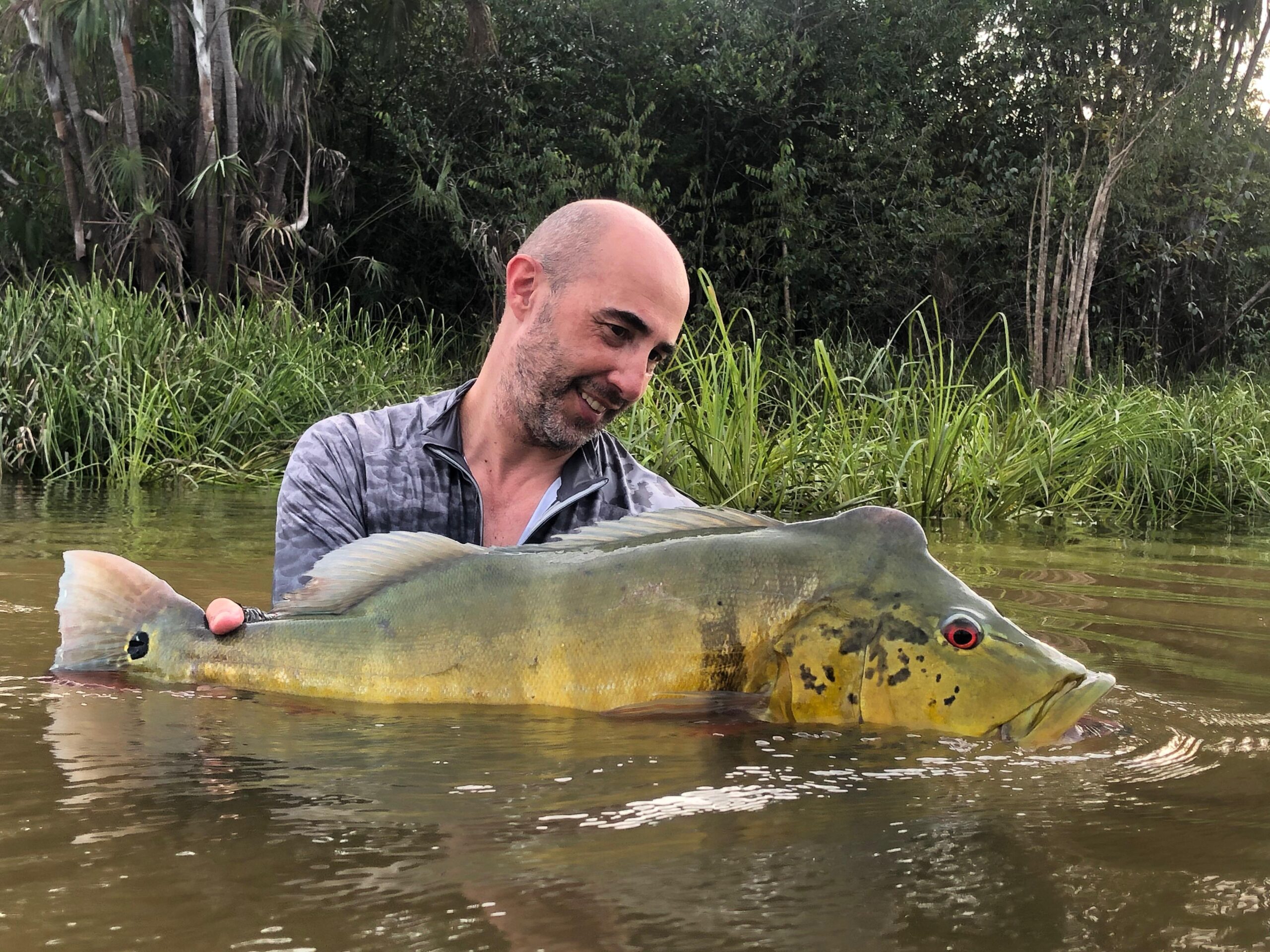
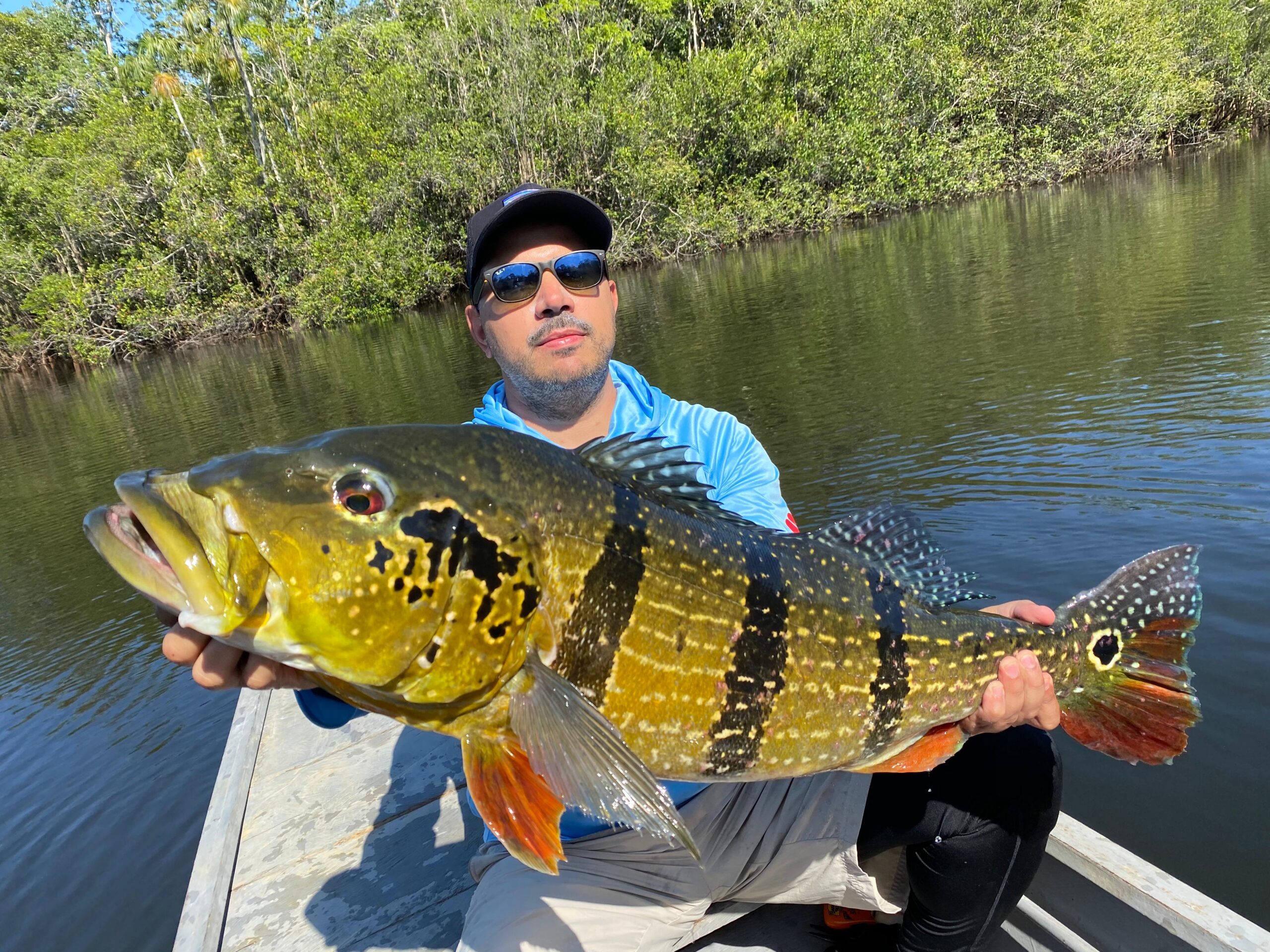
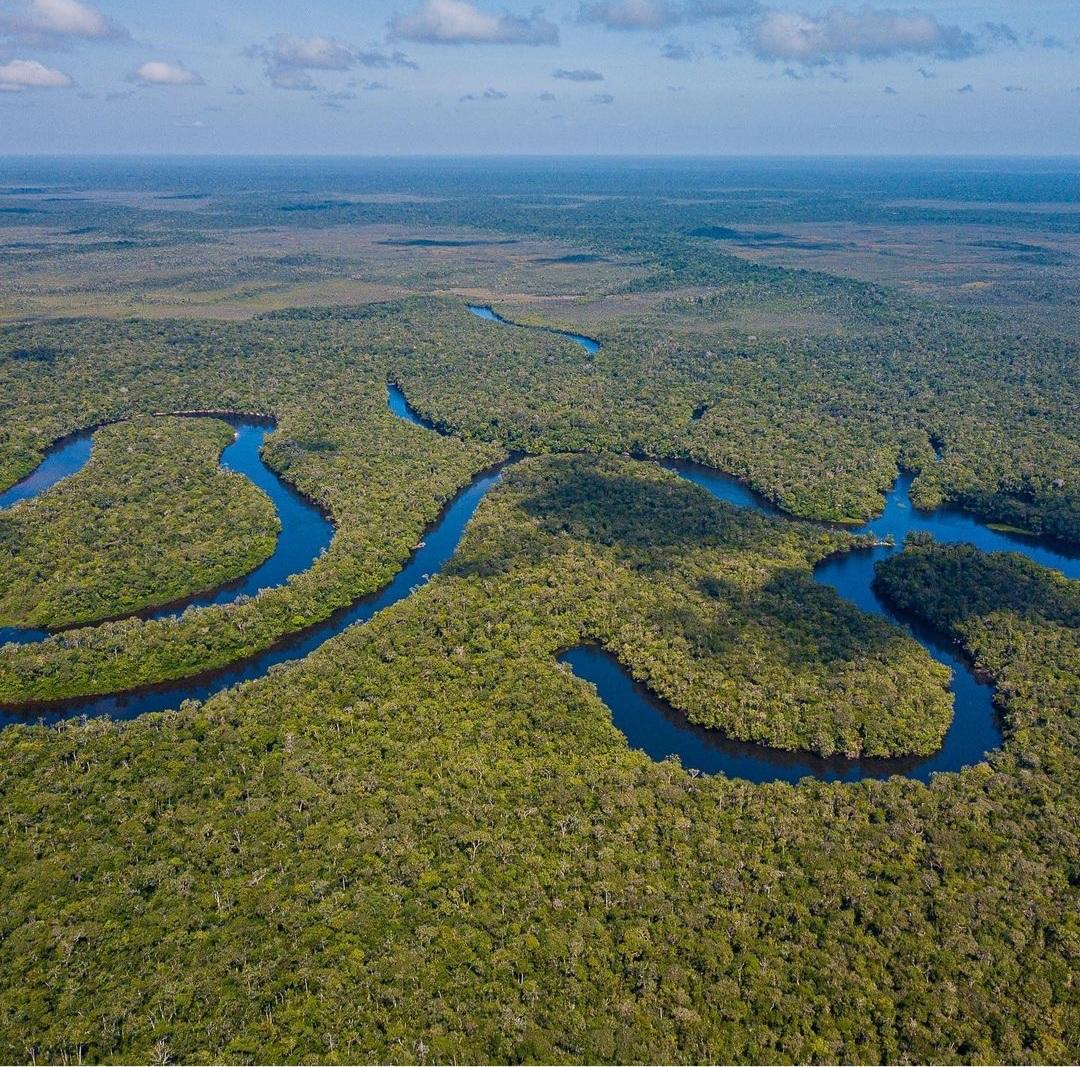
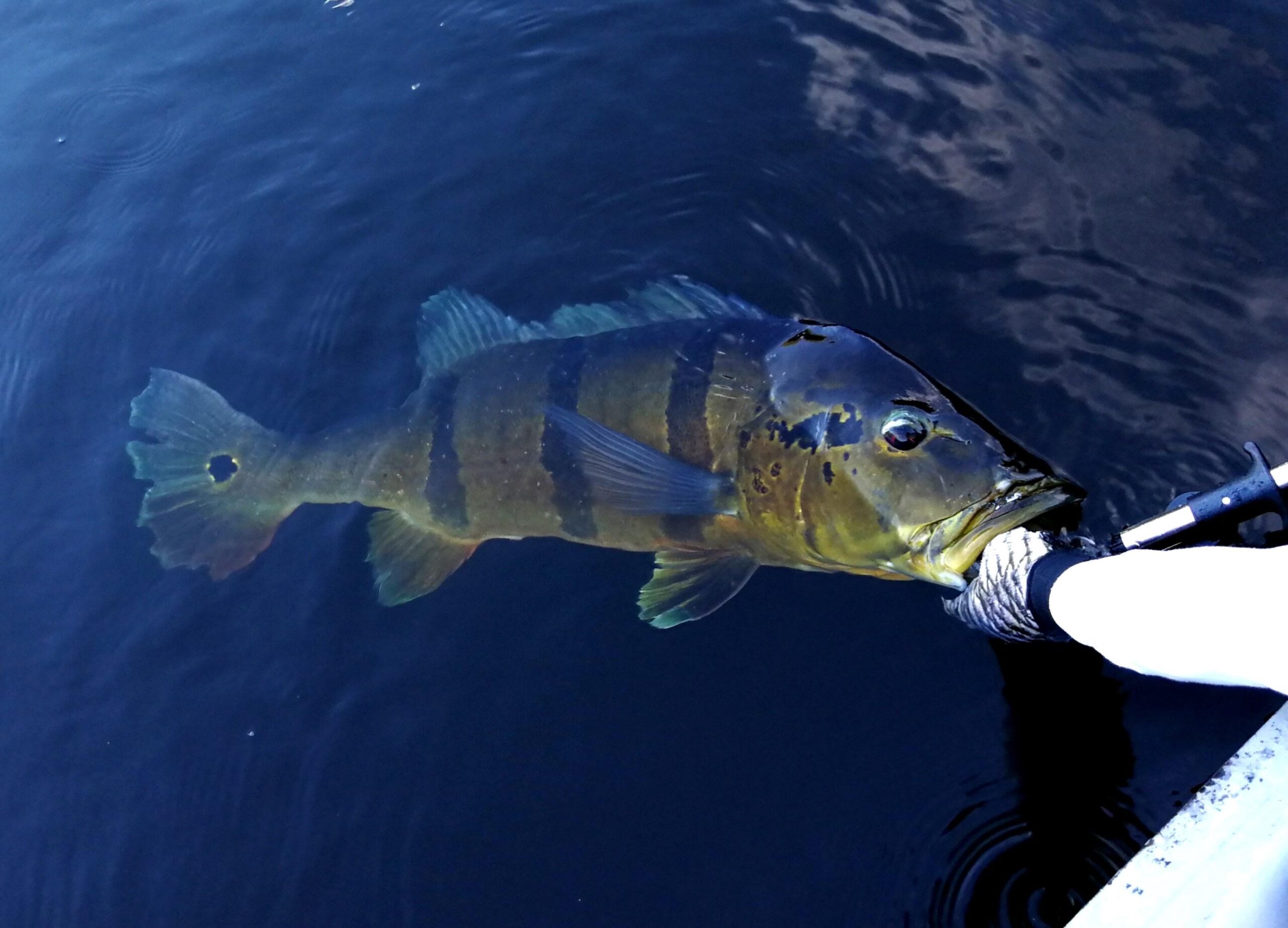
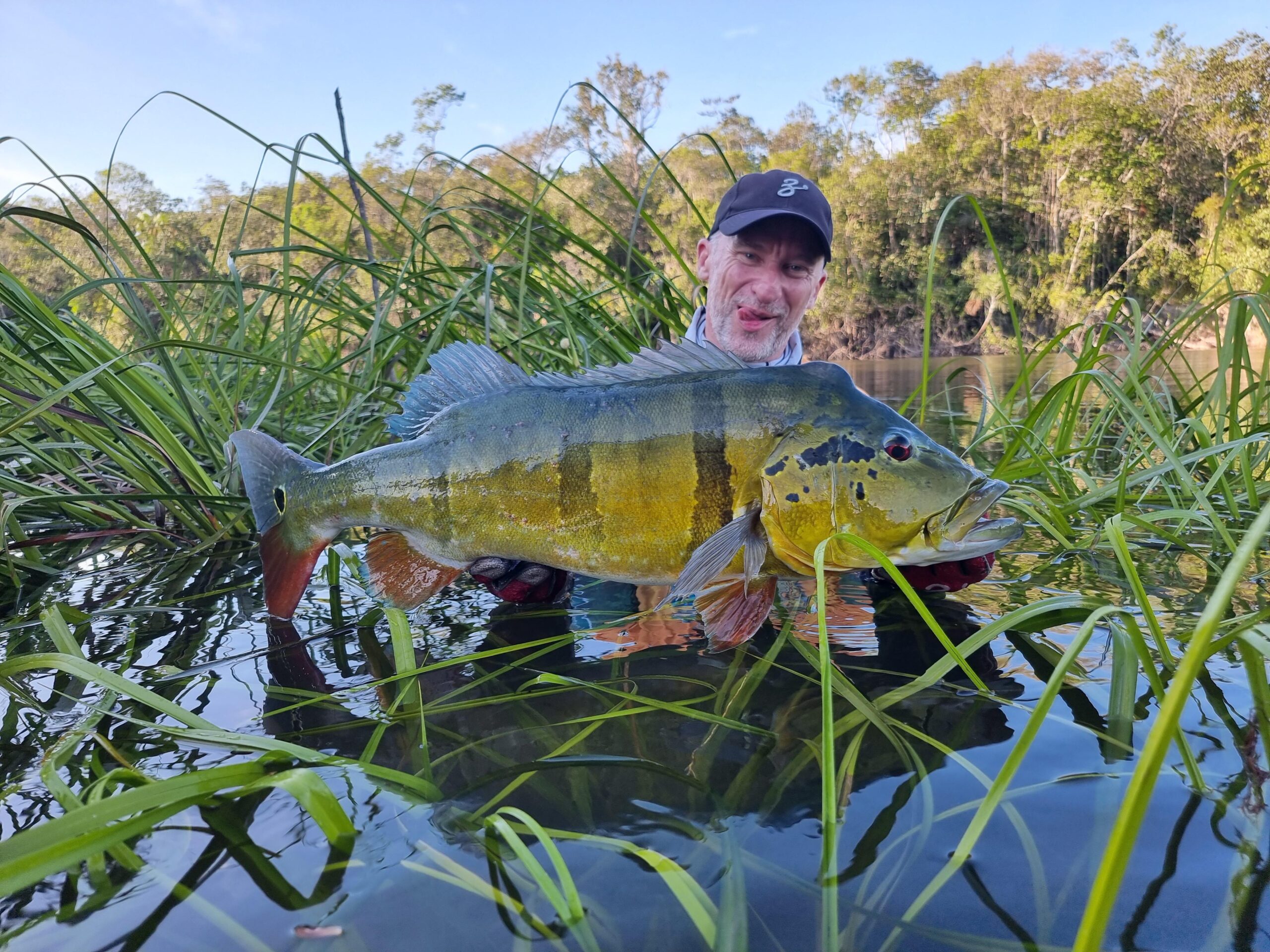
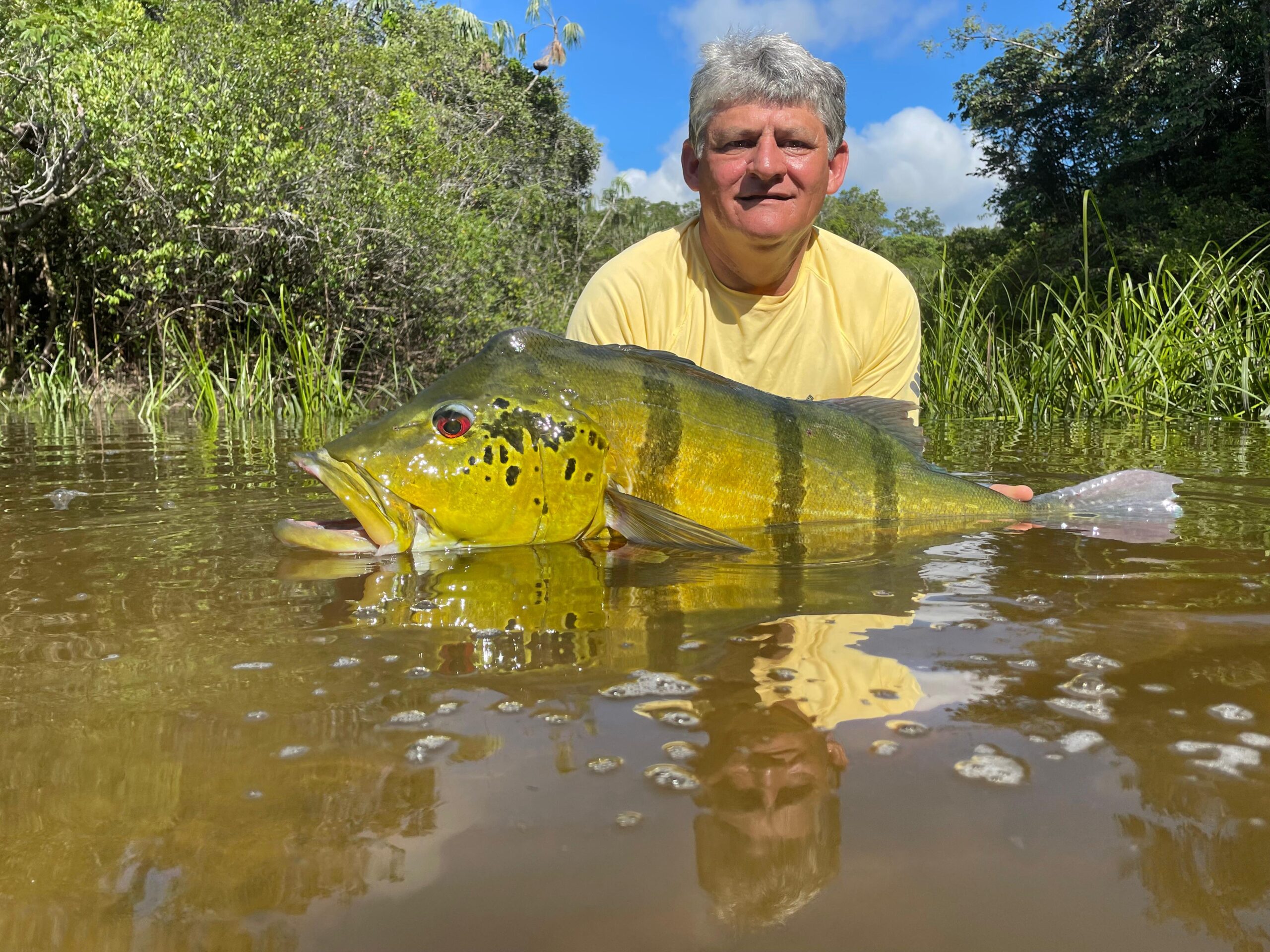
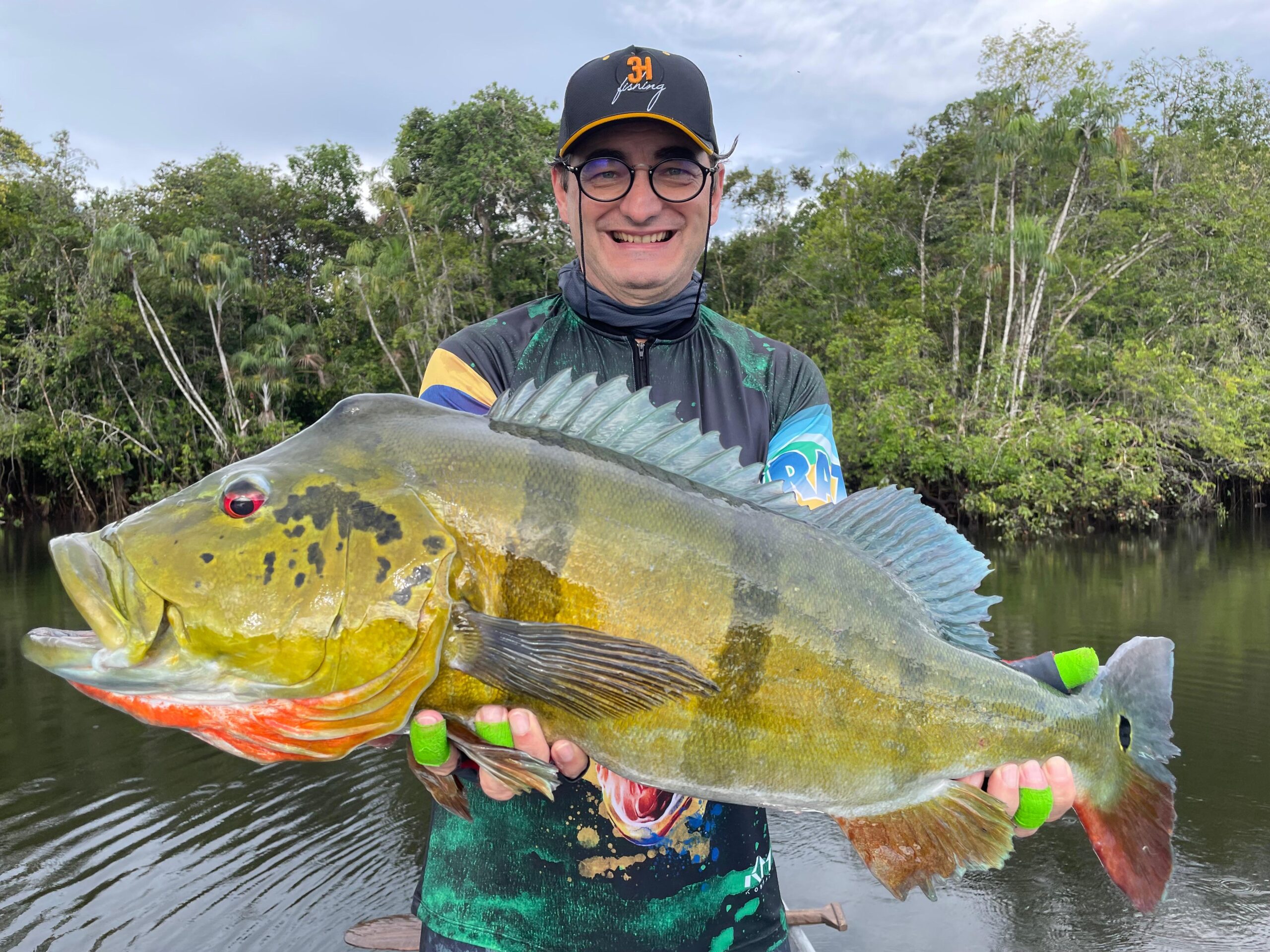
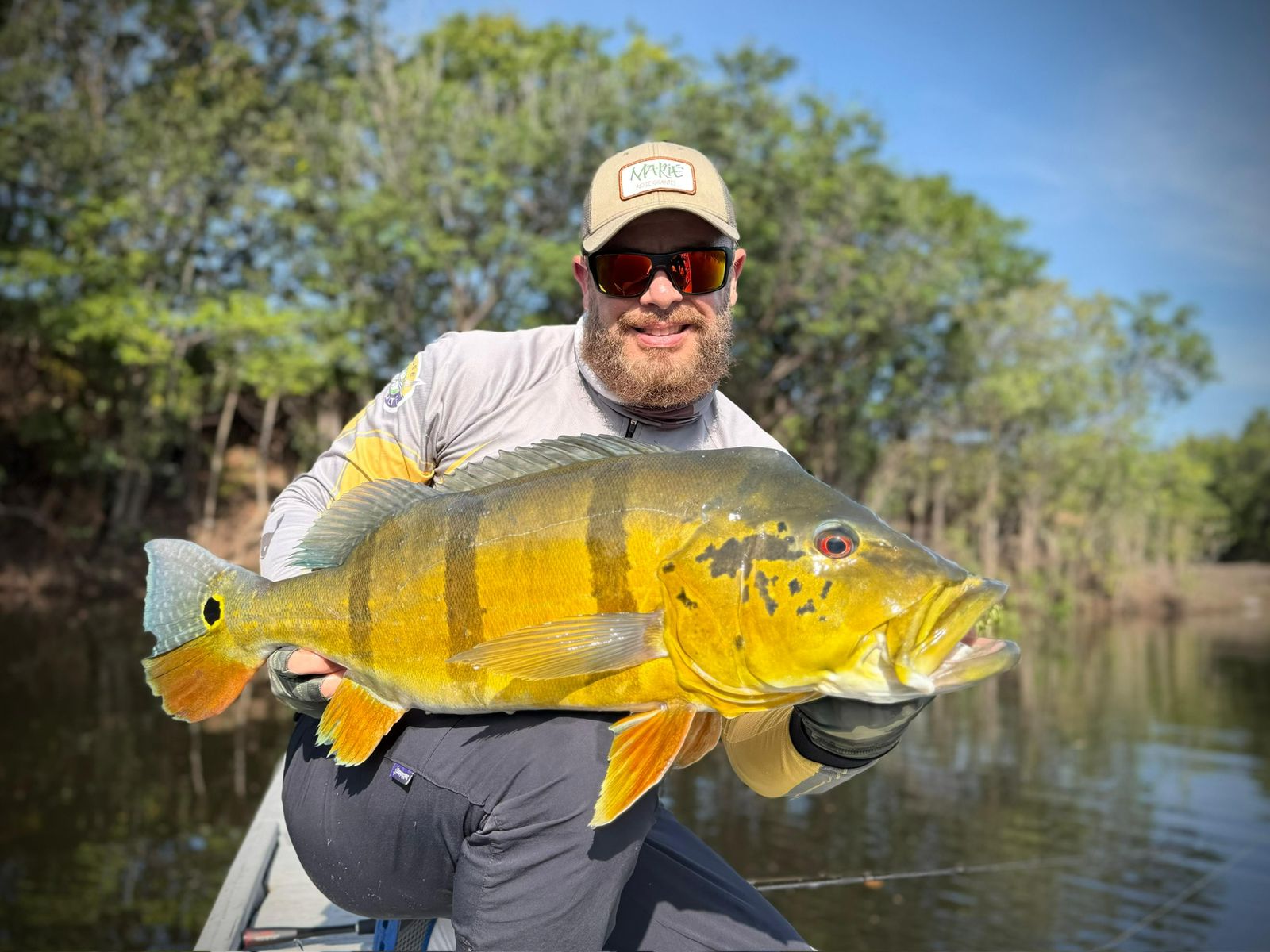
We’re opening a destination this coming season that we’re genuinely excited about: Mataven Lodge. Set on a river most anglers have never had the chance to fish, Mataven is shaping up to be one of the best big-peacock-bass fisheries we’ve found in Colombia Temensis Peacock Bass up to 30 lbs, with real trophy potential, backed by a strong lineup of other species that keep every day on the water interesting.
Season
January to March
10
Guests per week
Trip Information
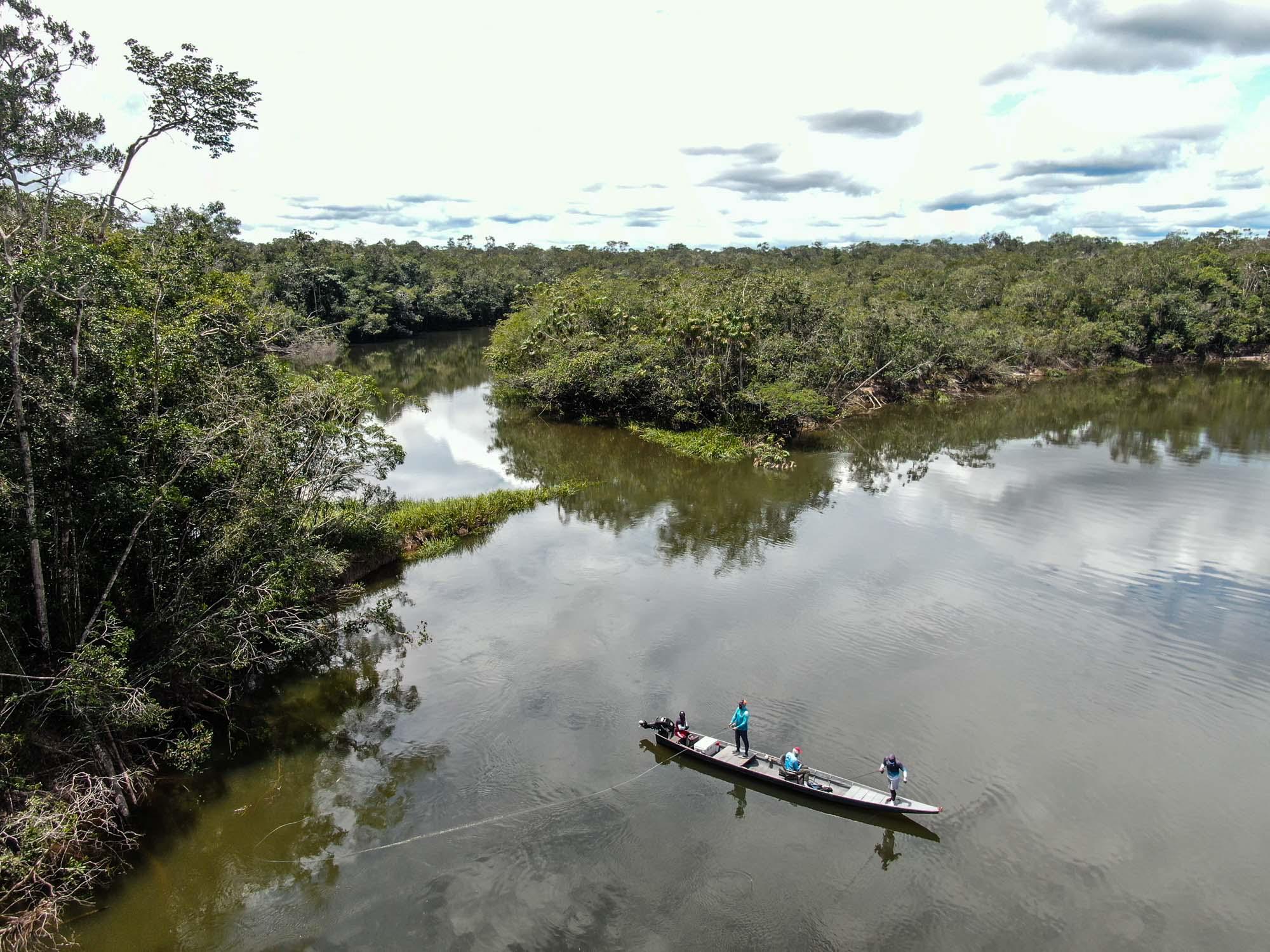
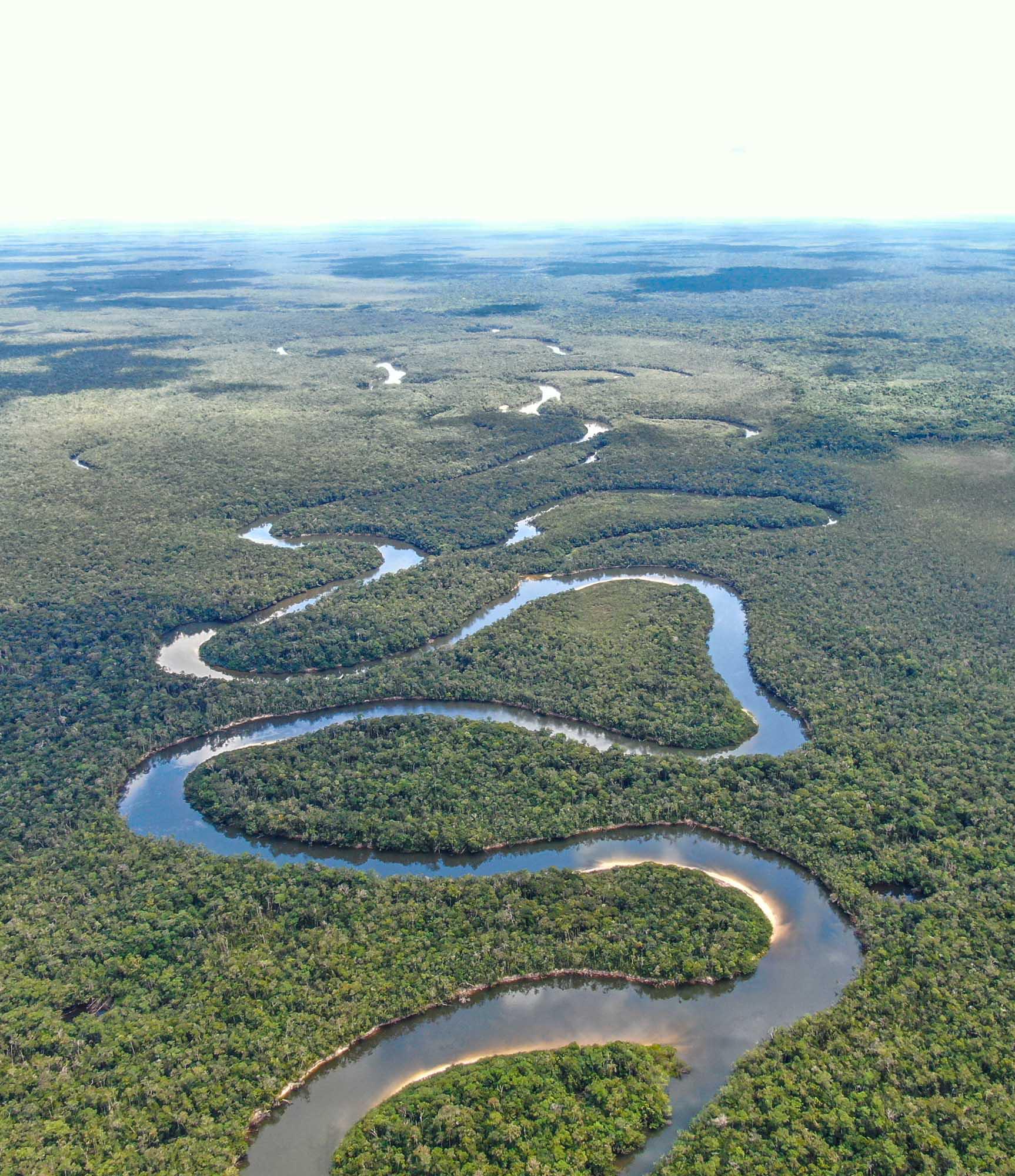
A River Most Anglers Have Never Fished Mataven is a brand-new frontier for giant peacock bass in Colombia. This remote river has seen almost no fishing pressure, and it’s shaping up to be one of the best big-fish fisheries we’ve seen — with Temensis Peacock Bass reaching up to 30 lbs and real trophy potential throughout the week.
Protecting the Fisheryvb To keep Mataven in top condition, we let the river rest for three to five days between groups — a deliberate choice that helps preserve the quality of the fishing season after season.
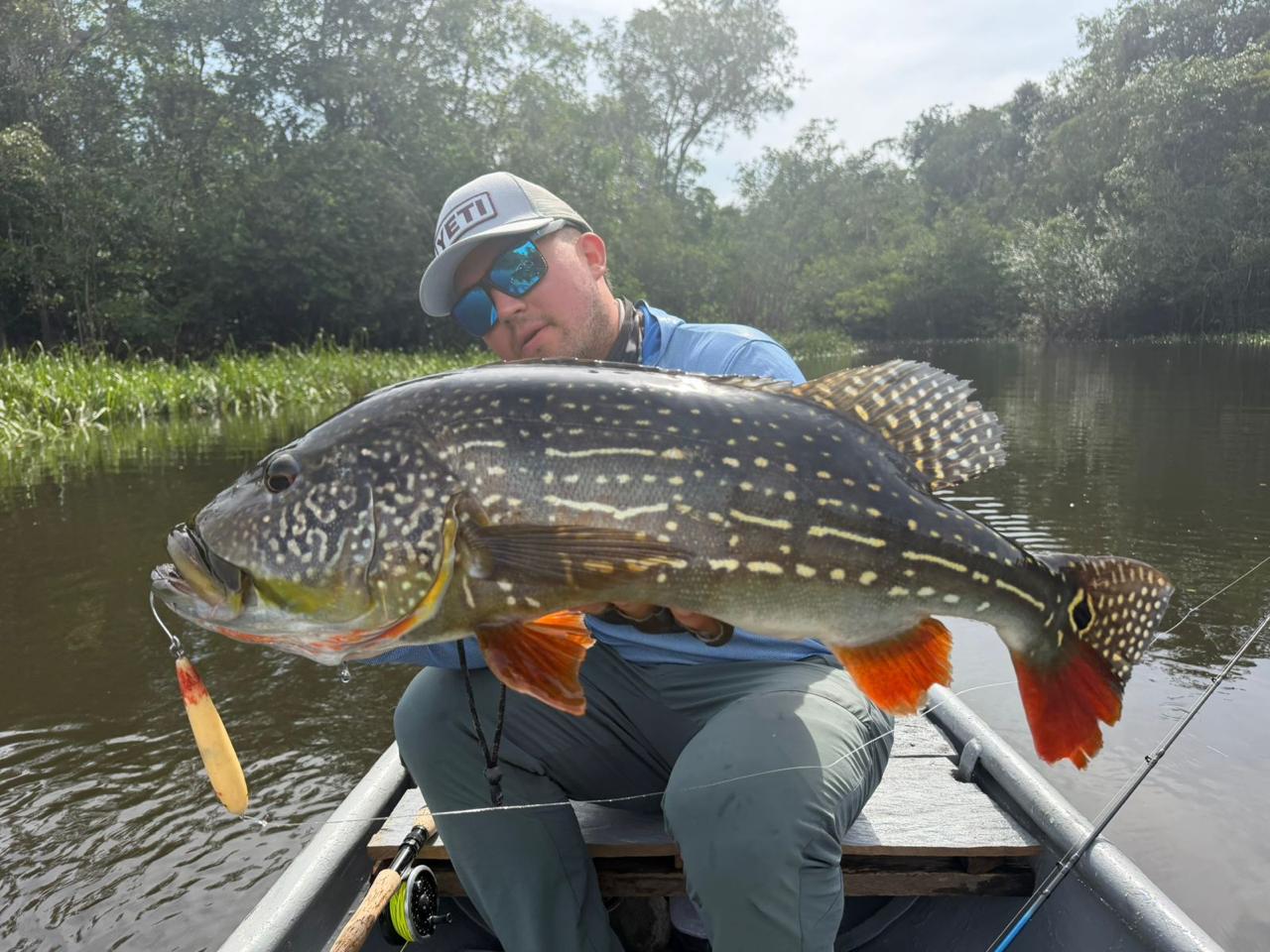
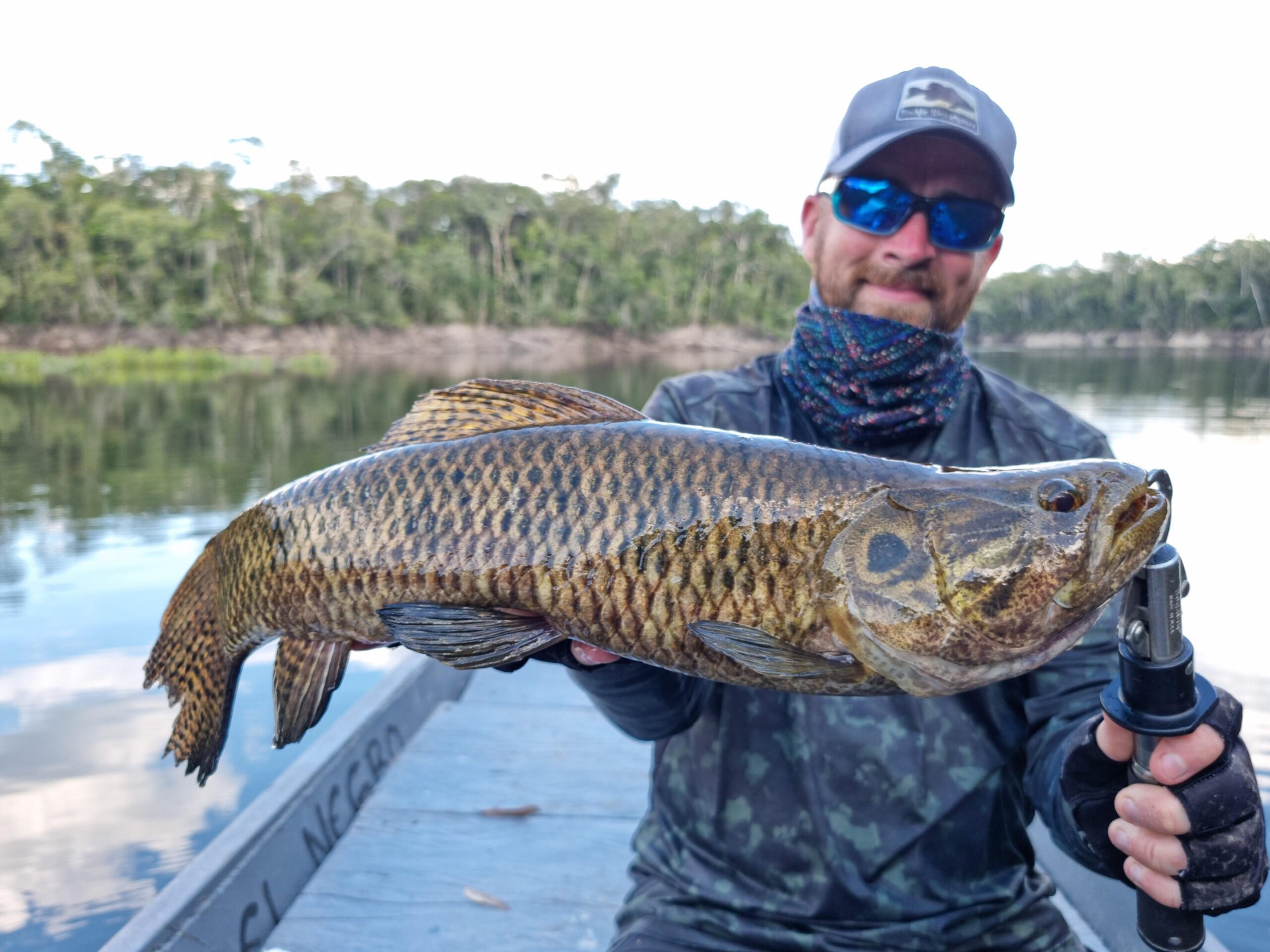
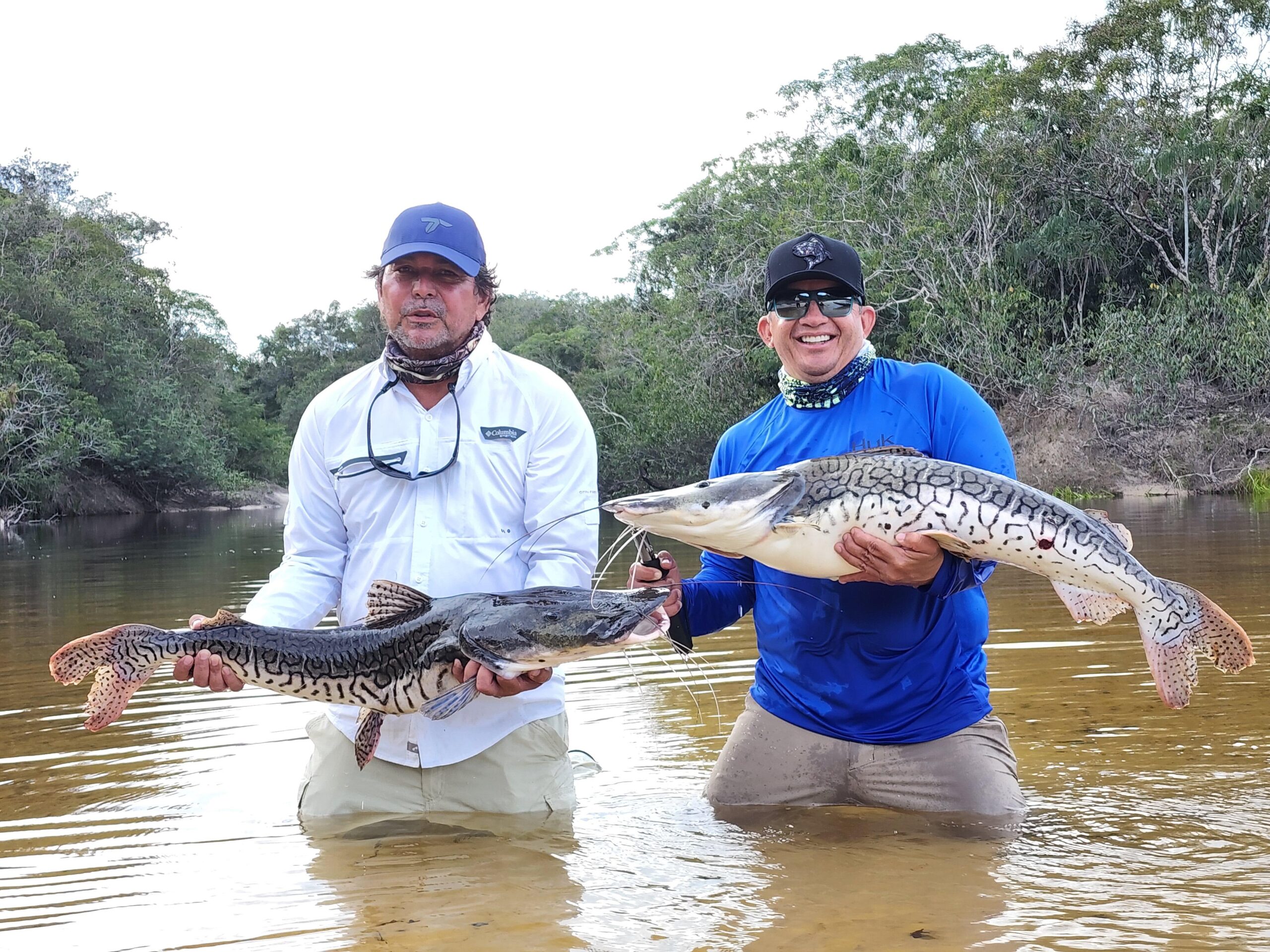
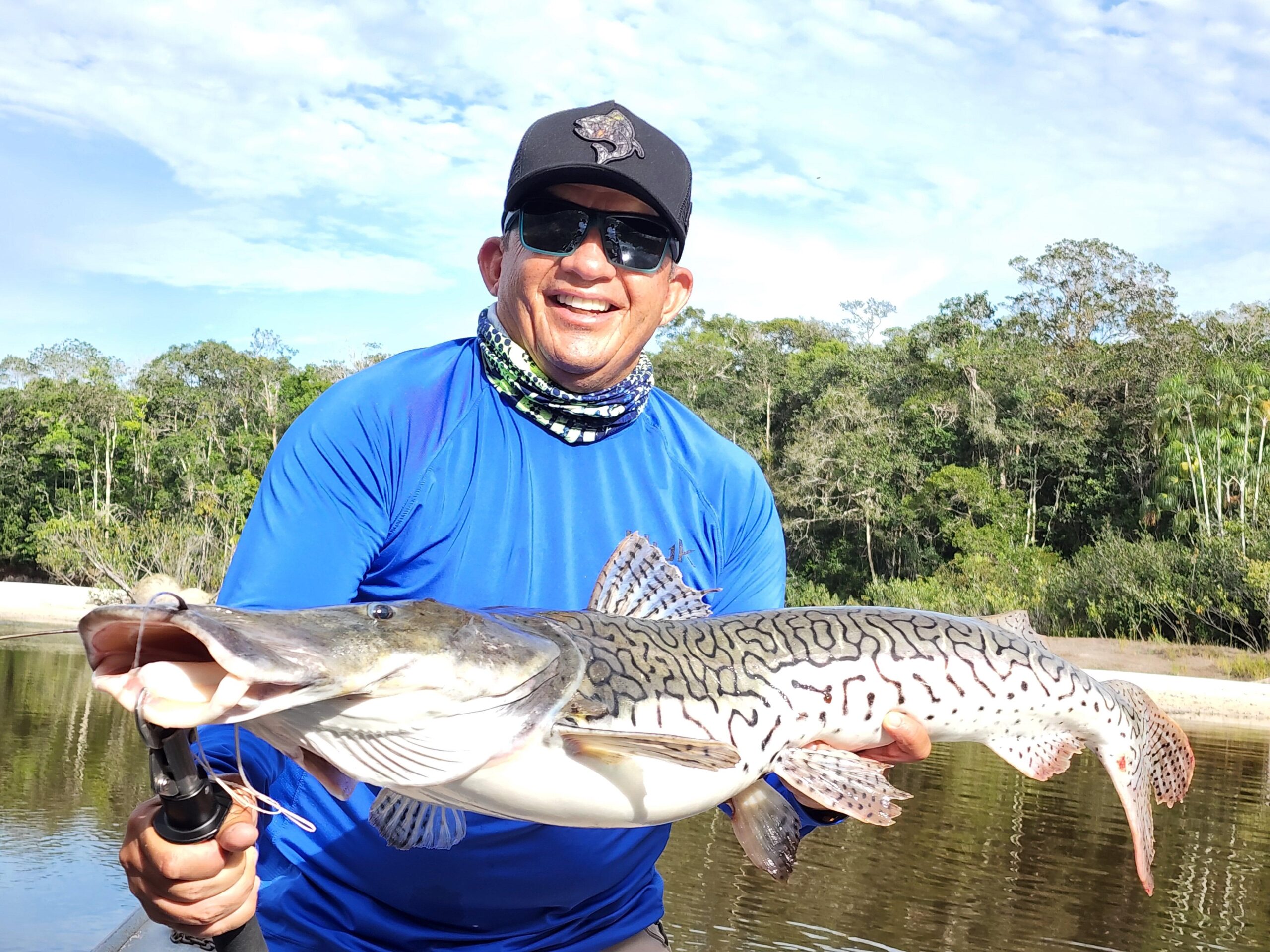
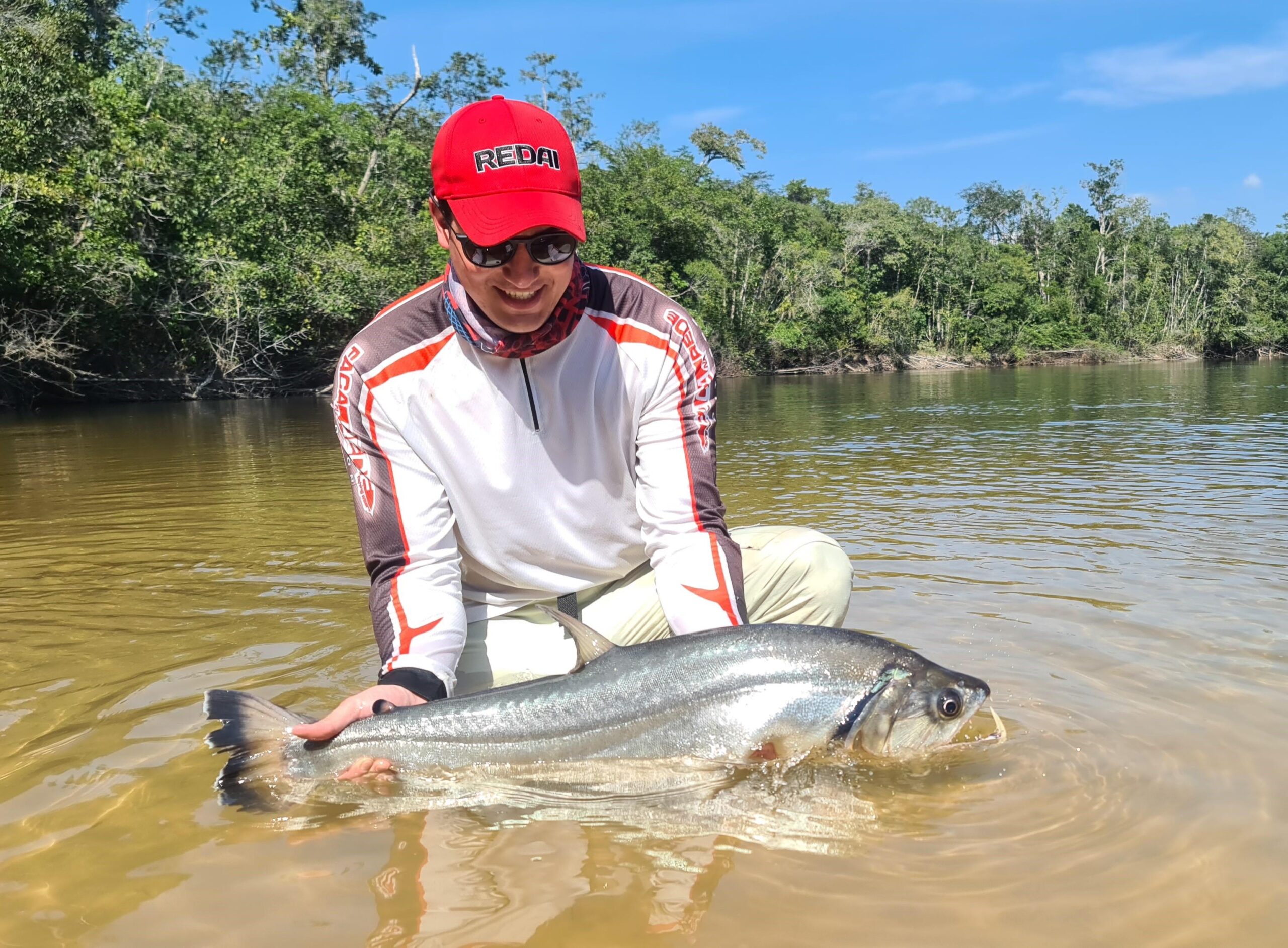
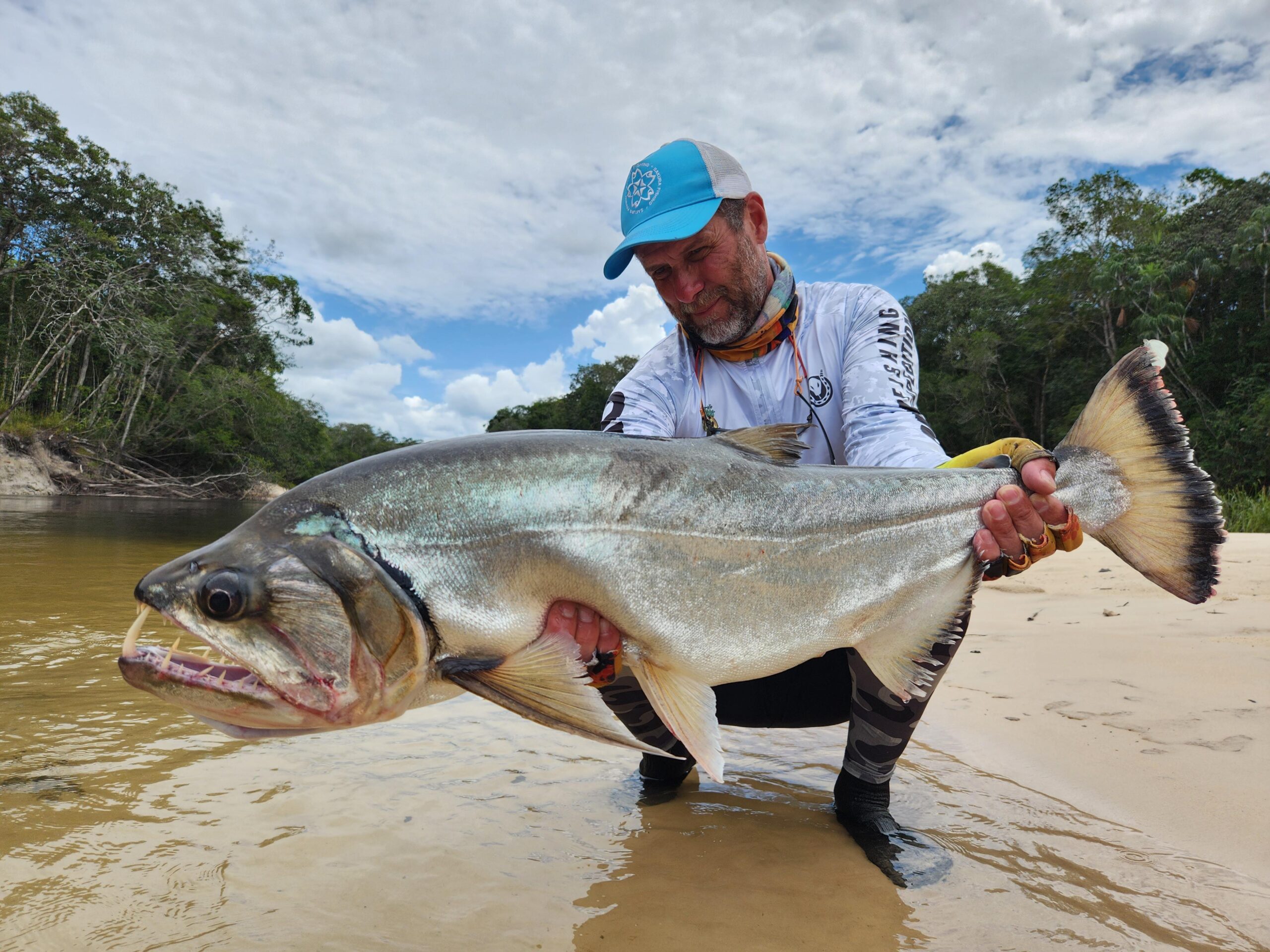
A Strong Supporting Cast Alongside the peacock bass, anglers will find plenty to keep things interesting all week: Butterfly Peacock Bass up to 12–14 lbs, Payara, Black Pacu, Shovelnose Catfish, Redtail Catfish, and Sardinata round out the lineup, with both conventional and fly-fishing opportunities throughout.
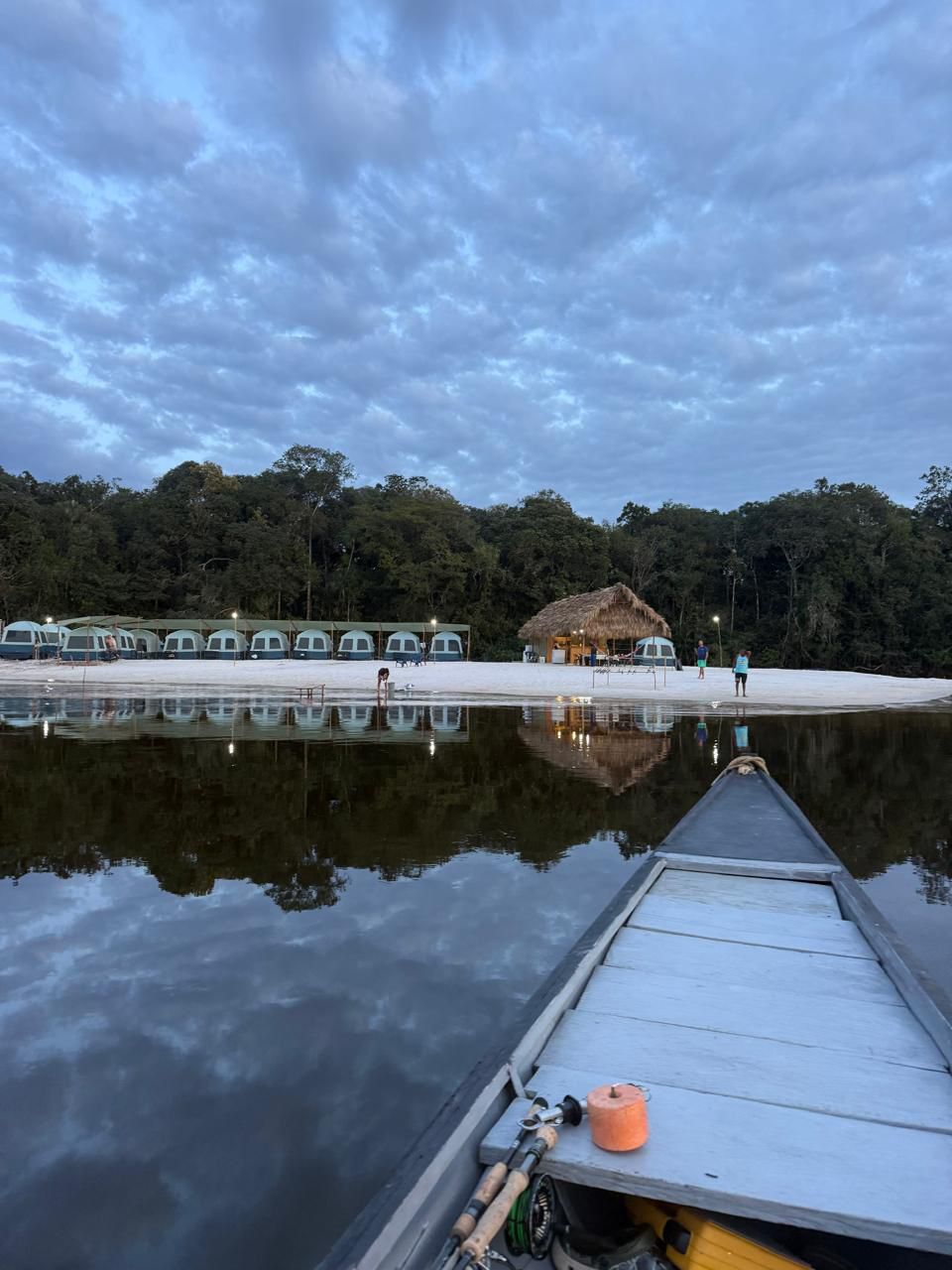
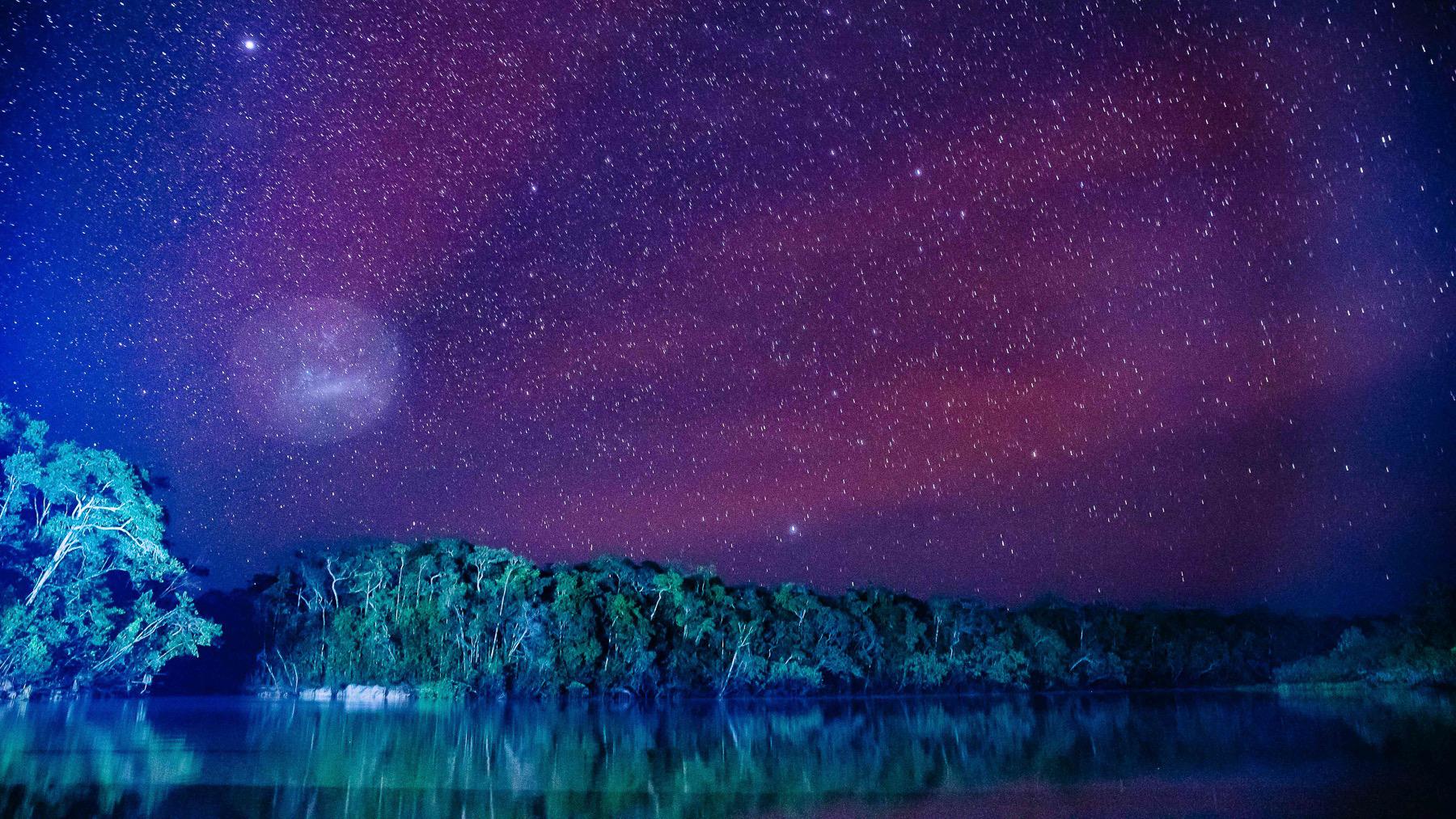
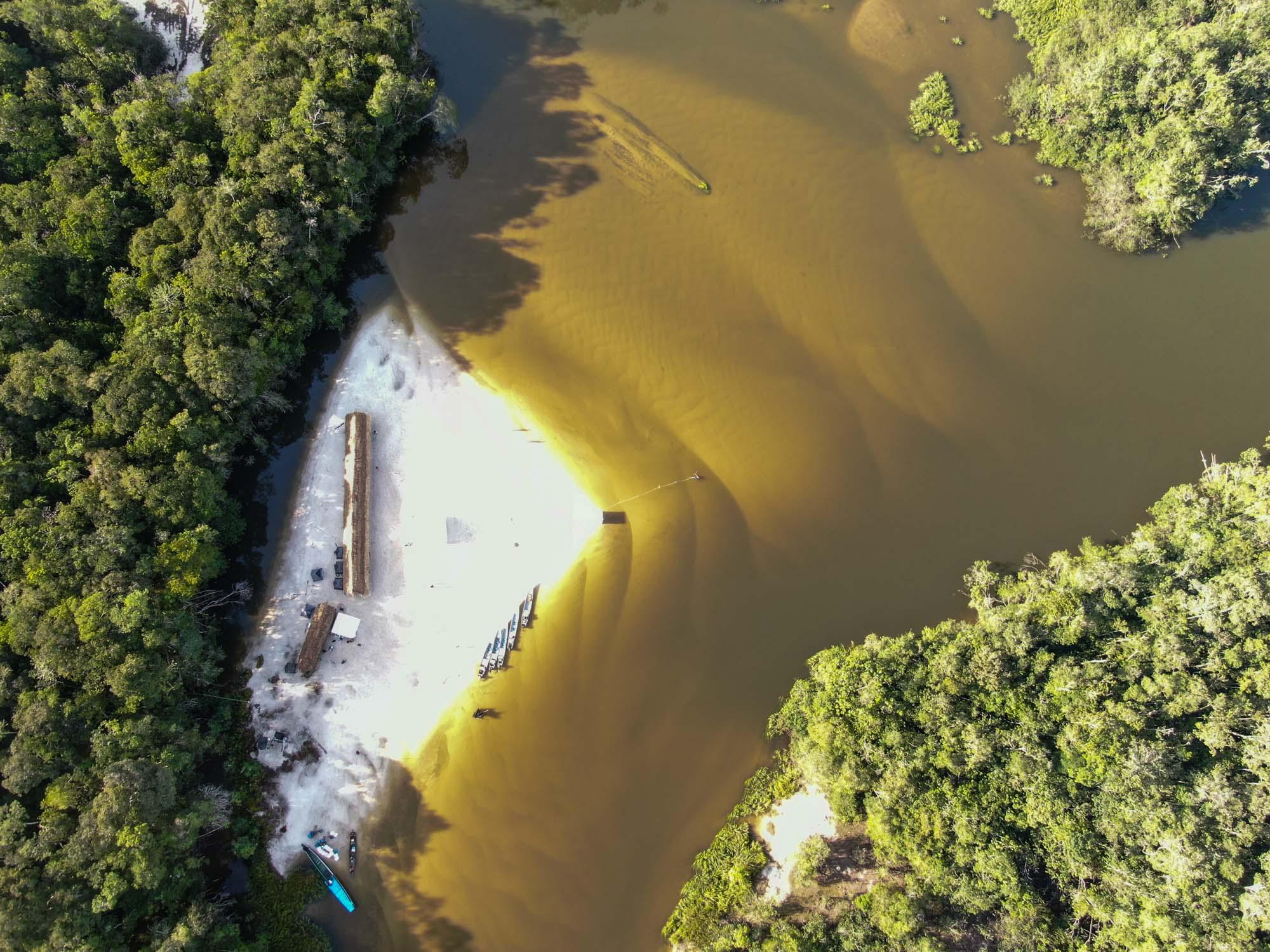
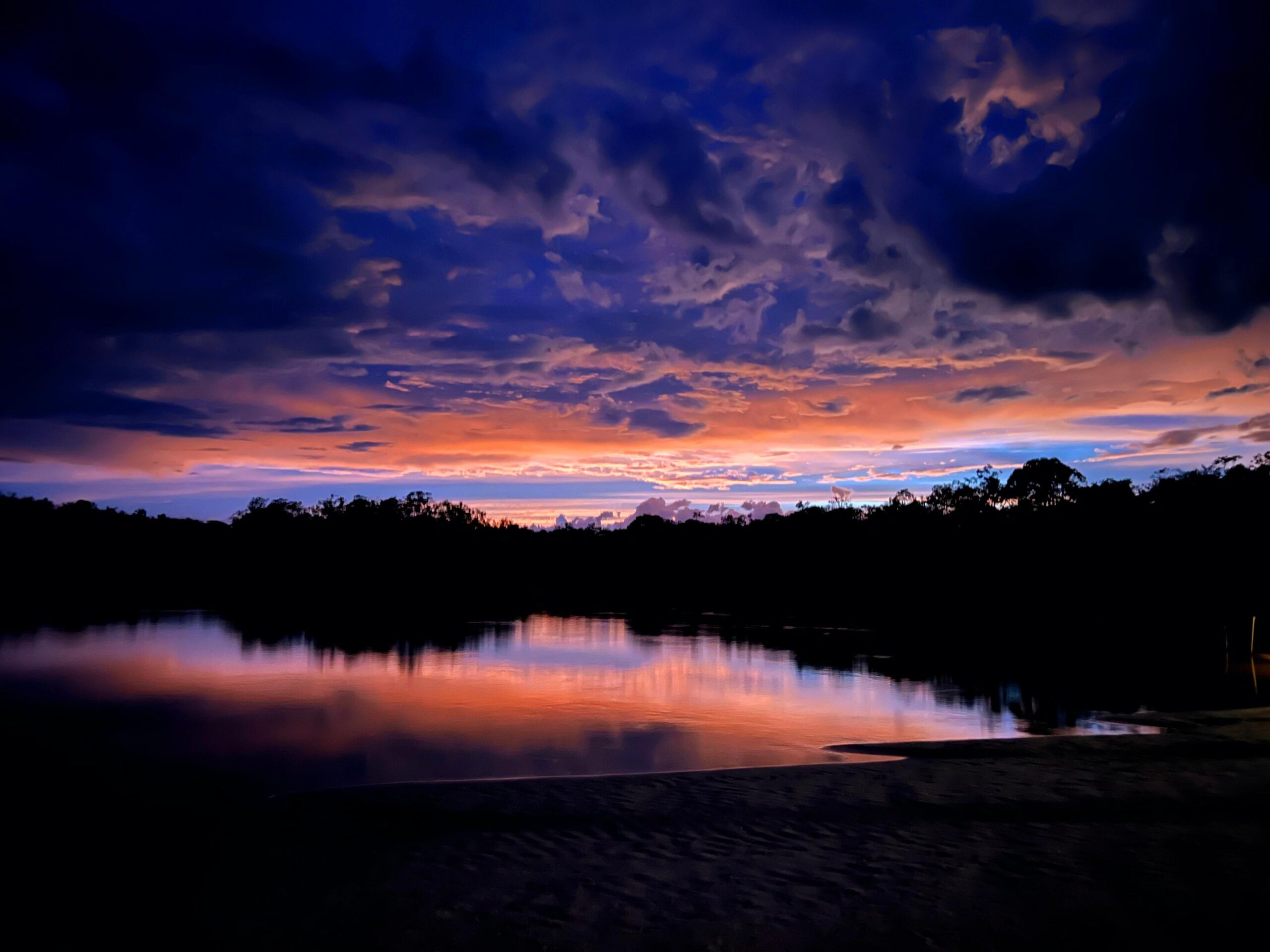
Camp Life, Right on the Beach Mataven Lodge is a jungle camp set directly on the beach, with one angler per tent and a dining and lounge area overlooking the river — a simple, comfortable base built for anglers who want to stay close to the water.
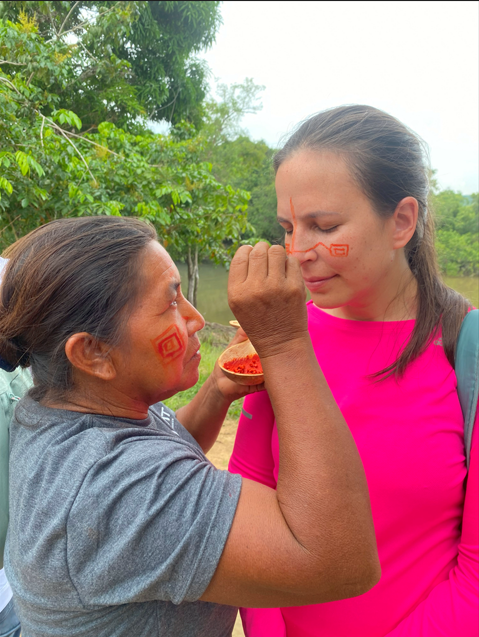
A Real Cultural Connection Mataven runs through the territory of the native communities who call this river home, and the trip includes a genuine cultural exchange with them — a meaningful complement to the fishing, and a rare chance to connect with a part of Colombia few travelers ever see.
Experienced Guides Guides at Mataven bring roughly 8 years of experience each in both conventional and fly fishing, helping anglers of every skill level get the most out of each day on the water.
Trip Itinerary:
Includes:
•Private transfers in Bogotá • 2 nights in a hotel in Bogotá (double room) • Commercial flight to Puerto Inírida • Transfers to the camp and by river • 3 meals per day • Unlimited soft drinks • 24 case beer (you can purchase more at camp) • Snacks • Travel insurance
Excludes:
• Flight to Bogotá, Colombia • Excess baggage charges at El Dorado International Airport • Meals in Bogotá or outside the camp • Additional activities in Bogotá • Fishing equipment • Alcoholic beverages (available upon request with prior notice) • Tips (we suggest a gratuity of 10% to 15% of the total package price) • Global rescue service (highly recommended)
Equipment and Services
Boats: • Jon boats powered by 30 HP engines, fully equipped
Accommodation: • Jungle camp on the riverbank beach • One angler per tent • Dining and lounge area on the beach
Guides: • Local guides with roughly 8 years of experience each in conventional and fly fishing
Carried over from the standard Afloat package (confirm before publishing):
• Fishing license • First aid kit • Starlink internet at camp • Laundry service • Professional chef • Global rescue (not included, highly recommended) • Photography services (optional)
*In Bogota, you can use Uber for transportation, and credit cards are widely accepted at restaurants in the city. However, we recommend exchanging some Colombian pesos for your expenses in the remote locations we will visit.
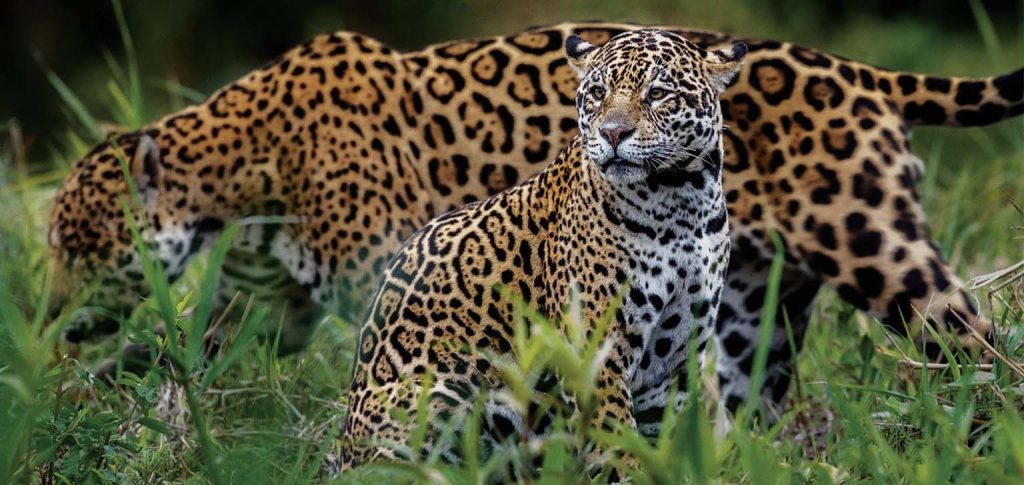
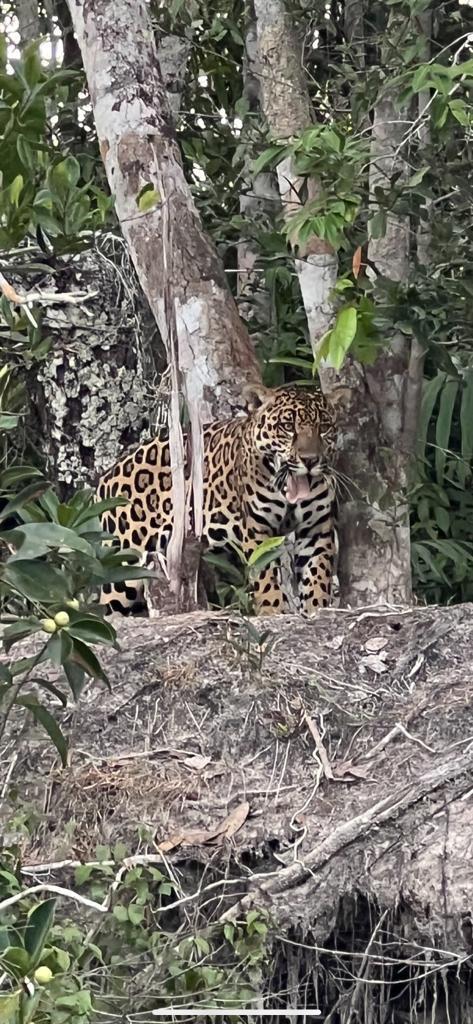
JAGUAR Panthera onca
The jaguar is the largest cat in the Americas and a powerful apex predator. It has a robust build with a yellowish-brown coat marked by black rosettes and spots. Jaguars primarily inhabit tropical rainforests, including the Orinoquia region, where they hunt a variety of prey, such as deer, capybaras, and tapirs. They are solitary animals, known for their stealth and strength.
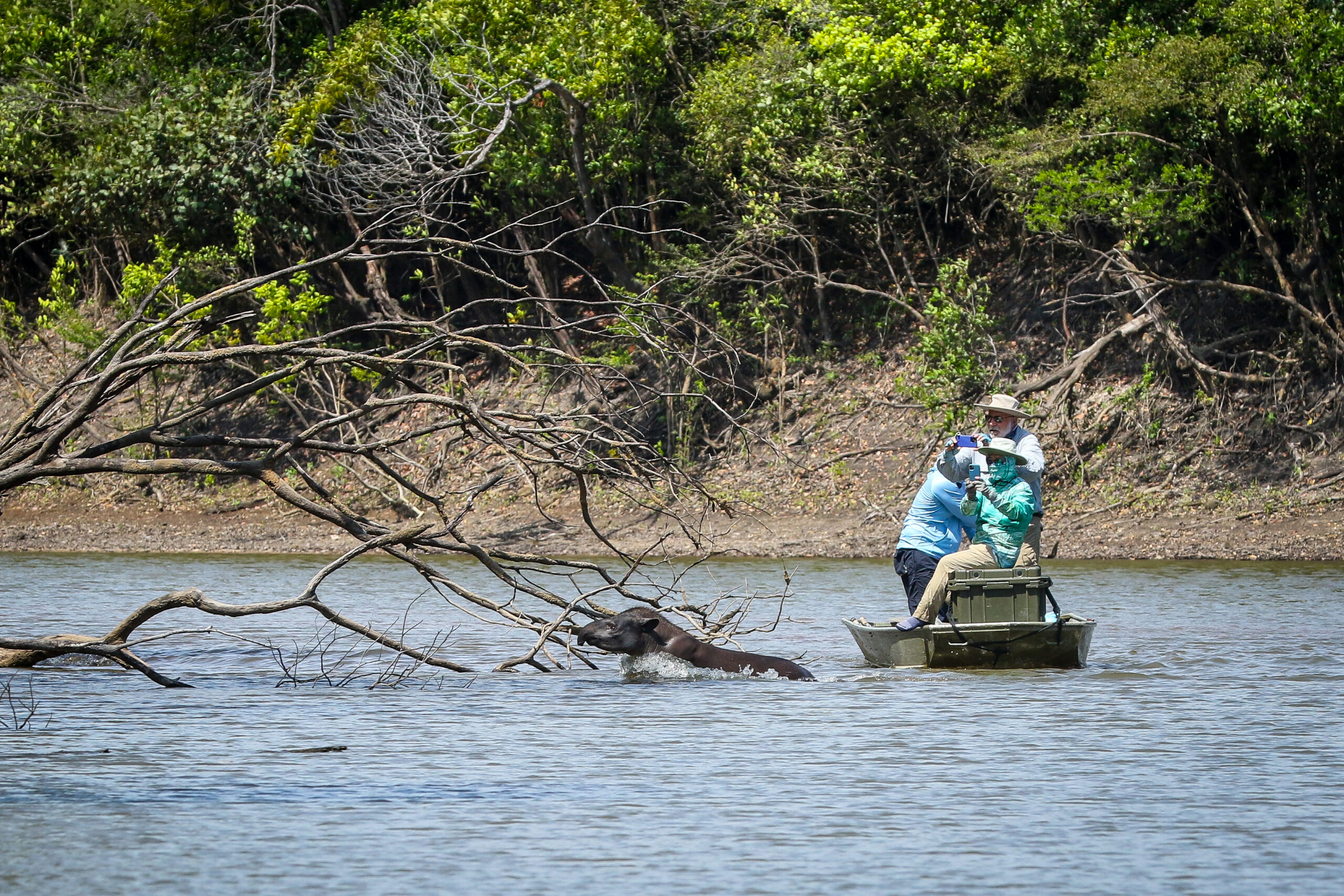
TAPIR Tapirus terrestris
The South American tapir, also known as the Brazilian tapir, is a large, herbivorous mammal with a prehensile snout. It has a dark brown coat and can weigh up to 250 kg. Tapirs inhabit the forests and grasslands of the Orinoquia region. They are primarily nocturnal and feed on leaves, fruits, and aquatic plants. Tapirs play a crucial role in seed dispersal, aiding forest regeneration.
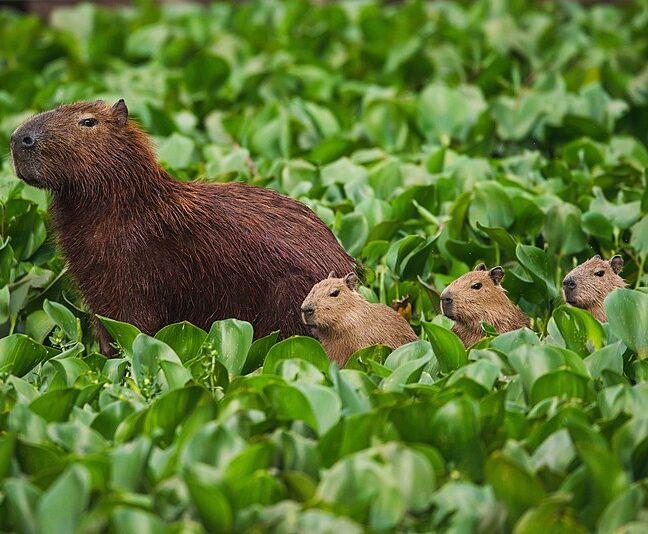
CAPYBARA Hydrochoerus hydrochaeris
Capybaras are the largest rodents in the world, easily recognizable by their large, barrel-shaped bodies and webbed feet. They are social animals, often found in groups near water sources. Capybaras are herbivores, feeding on grasses and aquatic plants. They inhabit various wetland environments, including those in the Orinoquia region, and are an essential part of the ecosystem.
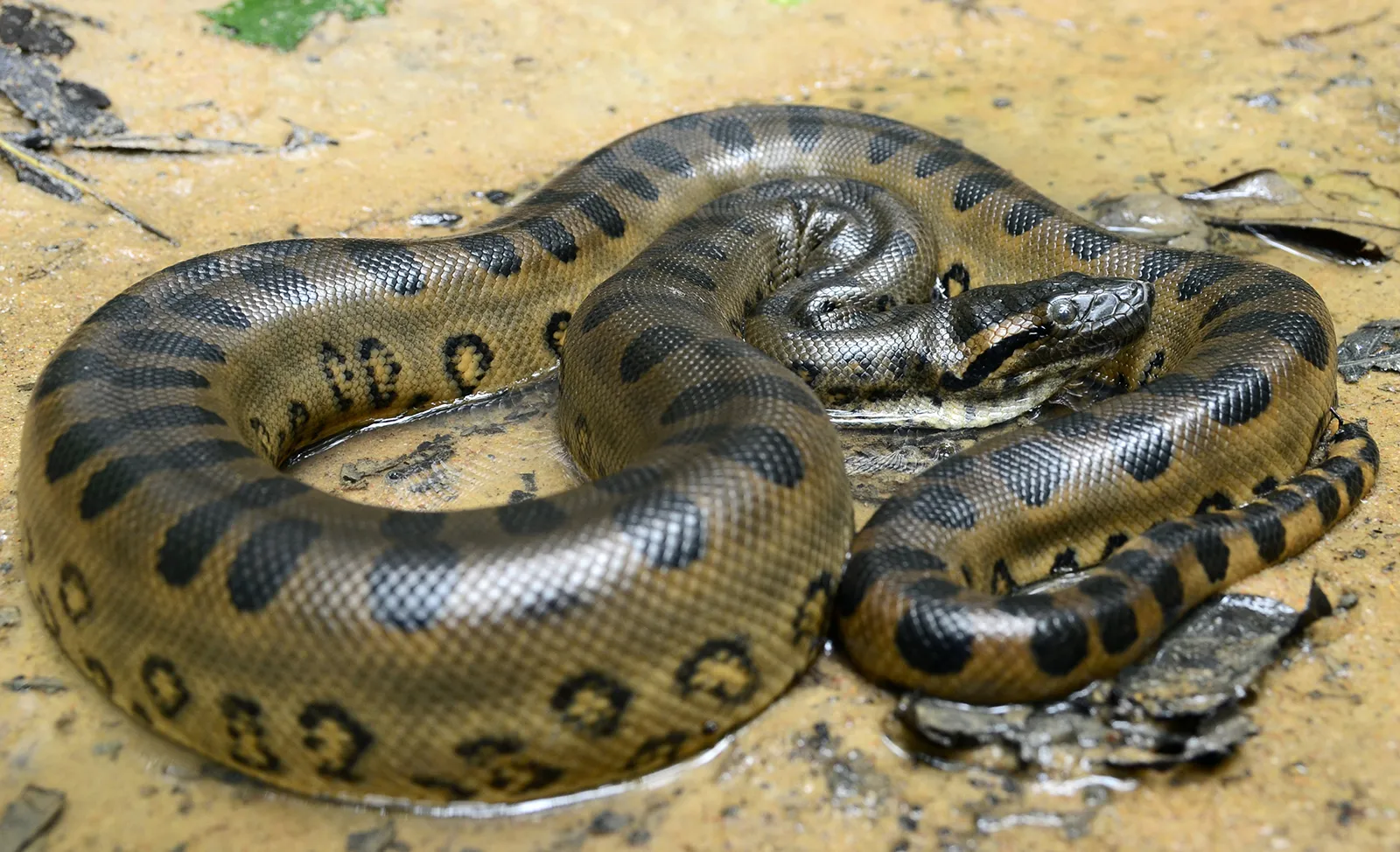
GREEN ANACONDA Eunectes murinus
The green anaconda is one of the largest snakes in the world, capable of growing over 9 meters in length. It has a thick, muscular body with olive-green coloration and black oval patches. Anacondas are primarily aquatic and inhabit swamps, marshes, and slow-moving streams in the Orinoquia region. They are ambush predators, preying on a variety of animals, including fish, birds, and mammals.
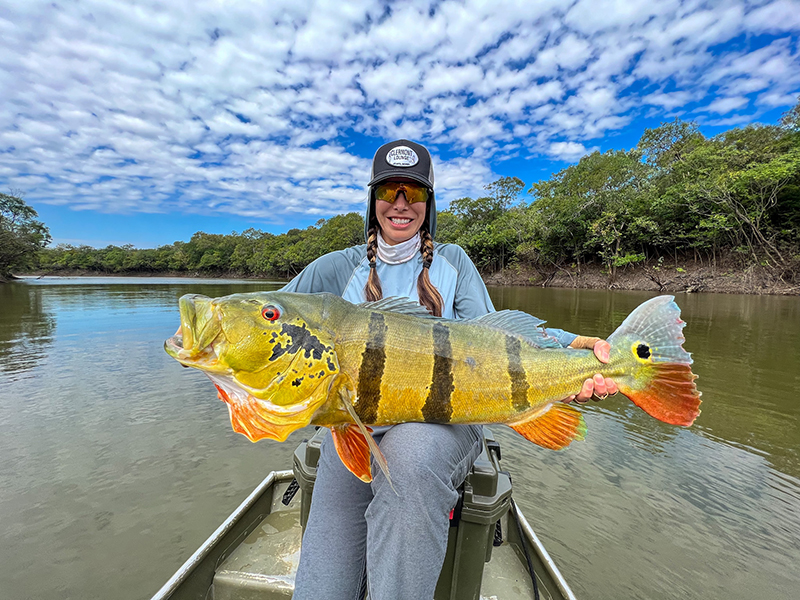
SPECKLED PEACOCK BASS Cichla temensis
The largest cichlid in the world, native to the Amazon and Orinoco basins. Known for its aggressive nature and striking looks, it can grow up to 100 cm and 30 pounds. Anglers prize this fish for its impressive size and challenging fight.
BUTTERFLY PEACOCK BASS
A smaller, vividly marked peacock bass reaching 12–14 lbs, prized for its aggressive strikes and vibrant coloration — a fast-paced counterpart to the trophy Temensis.
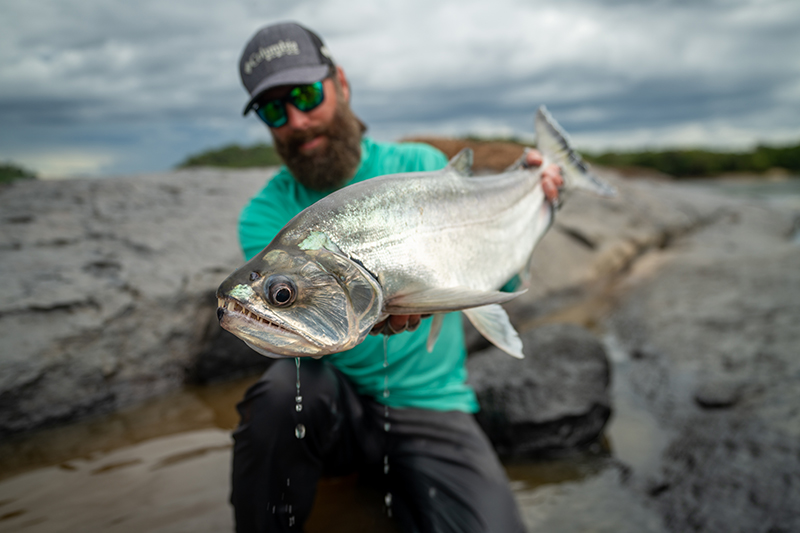
PAYARA (VAMPIRE FISH) Hydrolycus armatus
A predatory freshwater species native to South American rivers like the Amazon and Orinoco basins, characterized by its elongated body, silver coloration, and large, prominent fangs. An apex predator reaching over 1 meter and weights exceeding 30 pounds.
BLACK PACU Colossoma macropomum
A large, robust freshwater fish prized by sport fishermen for its size and strength, feeding primarily on fruits, seeds, nuts, and aquatic plants.
SHOVEL NOSE CATFISH Pseudoplatystoma fasciatum
Known for its distinctive shovel-shaped snout, it can reach 1–1.5 meters and weigh up to 65 pounds. Highly prized by sport fishermen for its size and powerful fights.
RED TAIL CATFISH Phractocephalus hemioliopterus
Recognizable by its broad head and distinctive red-orange tail fin, reaching over 1.5 meters and weights exceeding 170 pounds.
SARDINATA
A slender, silvery freshwater fish known for its spirited fights and acrobatic leaps — a popular target for sport fishermen throughout the Orinoco basin.